Study Links Peanut Consumption to Reduced Risk of Type 2 Diabetes
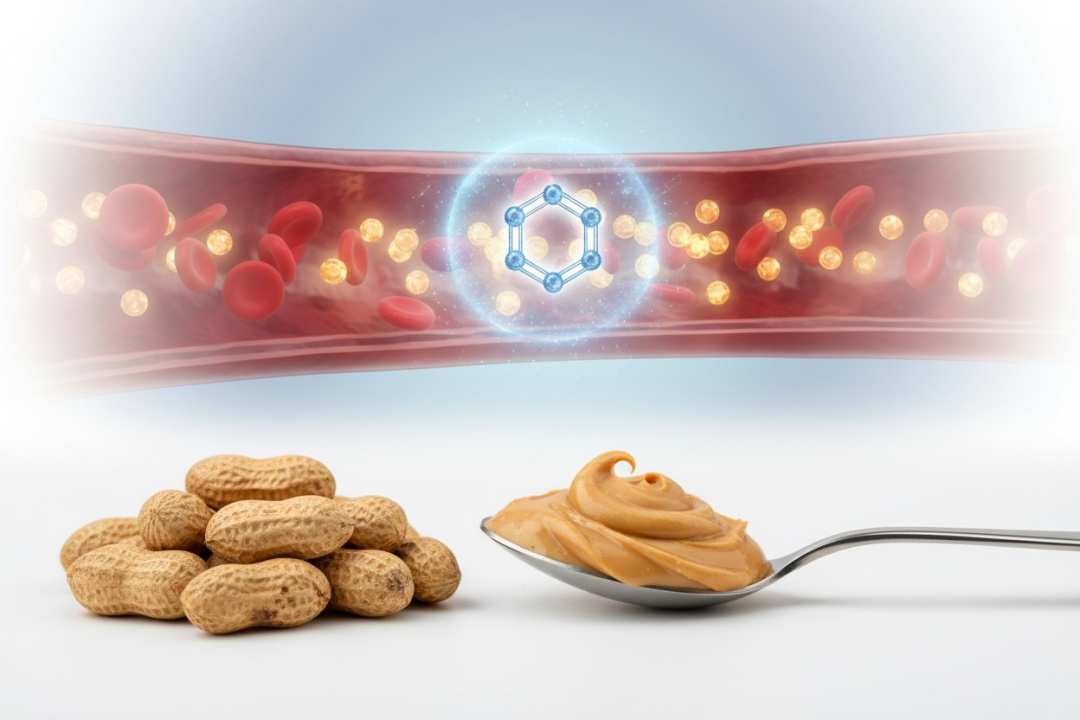
A recent study has highlighted a potential link between peanut consumption and a reduced risk of Type 2 diabetes, drawing from data gathered in both the ARISTOTLE trial and the EPIC-Potsdam study. The ARISTOTLE trial involved 63 healthy adults aged 18 to 33 over a six-month period, while the EPIC-Potsdam study tracked 27,548 adults aged 35 to 65 in Germany, beginning in the 1990s. Researchers combined these datasets to explore the relationship between short-term changes in blood fats and long-term diabetes outcomes.
Peanuts, which are classified as legumes rather than tree nuts, are a significant source of very long-chain saturated fats, differing in their metabolic effects from the shorter saturated fats typically found in butter. In the ARISTOTLE trial, participants were assigned to consume either 25 grams of skin-roasted peanuts, 32 grams of peanut butter, or a control butter made with peanut oil daily. Blood samples were taken at the start and after six months, revealing shifts in 51 different blood fat measures. Notably, a specific fat known as C24:0 increased across all fat families, creating what researchers termed a "peanut lipid signature."
The findings from the ARISTOTLE trial were complemented by the EPIC-Potsdam study, where researchers assessed participants' baseline blood for the peanut signature and compared it to physician-verified diabetes diagnoses. They found that each one-standard-deviation increase in the peanut signature was associated with approximately an 11% reduction in the odds of developing Type 2 diabetes, even after controlling for various factors such as calorie intake, smoking, and physical activity.
However, the study also revealed that when body mass index (BMI) was included in the analysis, the association between peanut consumption and diabetes risk diminished significantly, suggesting that the metabolic benefits of peanuts may primarily relate to body composition rather than direct effects on blood sugar.
While the ARISTOTLE trial was small and focused on a specific demographic, the researchers noted that the impact of peanuts on metabolic health could vary among different populations. They emphasized that while the correlation between peanut intake and lower diabetes risk is compelling, the observational nature of the cohort study does not establish causation.
The trial's findings indicate that consuming a small handful of peanuts or two tablespoons of peanut butter daily could yield measurable changes in blood fat profiles, making it a feasible dietary addition for many individuals. The researchers recommend opting for skin-roasted peanuts and plain peanut butter, avoiding heavily sweetened varieties. Overall, the study underscores the need for further research to clarify the relationship between peanut consumption and metabolic health outcomes.