Study Links Daily Peanut Consumption to Lower Risk of Type-2 Diabetes
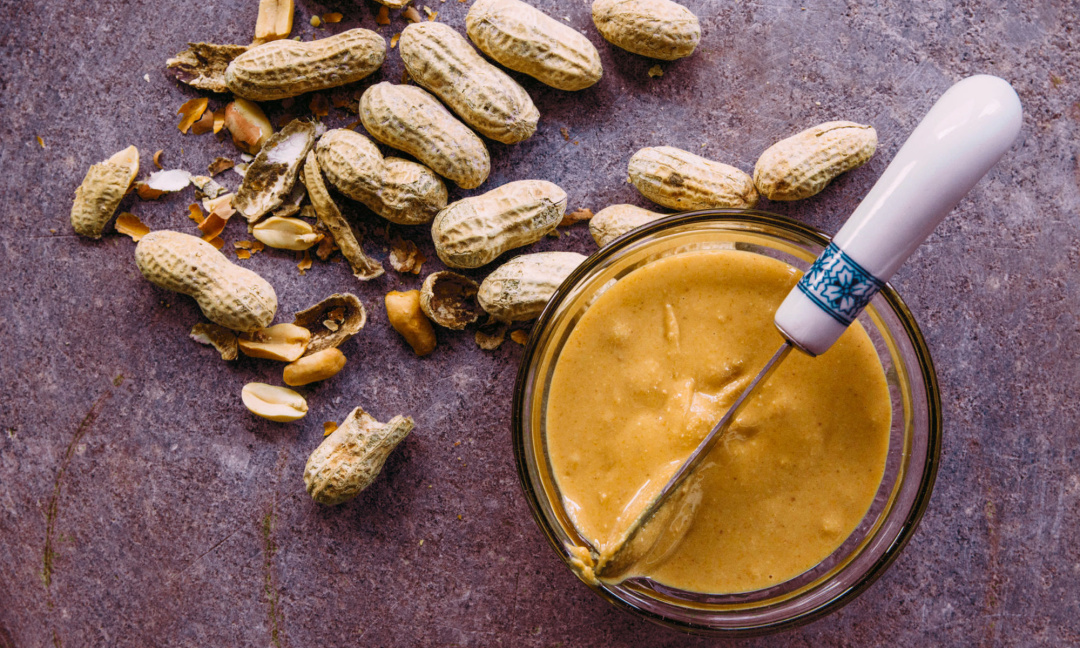
A recent study has highlighted potential health benefits associated with daily peanut consumption, particularly in relation to reducing the risk of type-2 diabetes. In a controlled trial known as the ARISTOTLE trial, 63 healthy young adults aged 18 to 33 were assigned to consume either 25 grams of skin-roasted peanuts, 32 grams of peanut butter, or a control butter made from peanut oil daily for six months. Blood samples were collected at the beginning and end of the study to assess changes in blood fat profiles. The results indicated a notable shift in the fats circulating in the bloodstream, particularly an increase in very long-chain saturated fats, which are primarily found in peanuts. This shift formed what researchers are calling a 'peanut lipid signature.' Following the trial, researchers sought to determine the long-term implications of this signature by analyzing data from the EPIC-Potsdam study, which tracked the health of 27,548 adults aged 35 to 65 in Germany. They found that individuals with higher peanut signature scores had a modestly lower risk of developing type-2 diabetes, with each one-standard-deviation increase in the score correlating to approximately an 11% reduction in diabetes risk. This association persisted even after adjusting for various factors such as calorie intake, smoking, alcohol consumption, education, blood pressure, physical activity, and overall dietary patterns. However, when body mass index (BMI) was included in the analysis, the association largely diminished, suggesting that the metabolic benefits of peanut consumption may be closely linked to body composition rather than the fatty acids alone. Previous studies have indicated that incorporating peanuts into a regular diet does not typically lead to weight gain, as they are satiating and may replace less healthy snacks. Nonetheless, the researchers caution that this study was limited to a small group of young, healthy adults, indicating that the effects of peanuts on metabolic health could vary across different populations, particularly among older adults or those with existing health conditions. While the findings are promising, they do not establish a direct cause-and-effect relationship between peanut consumption and lower diabetes risk. The study also noted that in the German cohort, higher peanut signature scores were associated with increased overall nut intake and decreased butter consumption, suggesting that peanuts may replace less beneficial fats in the diet. For those looking to incorporate more peanuts into their meals, simply adding a couple of tablespoons of peanut butter or a small handful of peanuts daily could be beneficial, especially if it means substituting them for less healthy options.