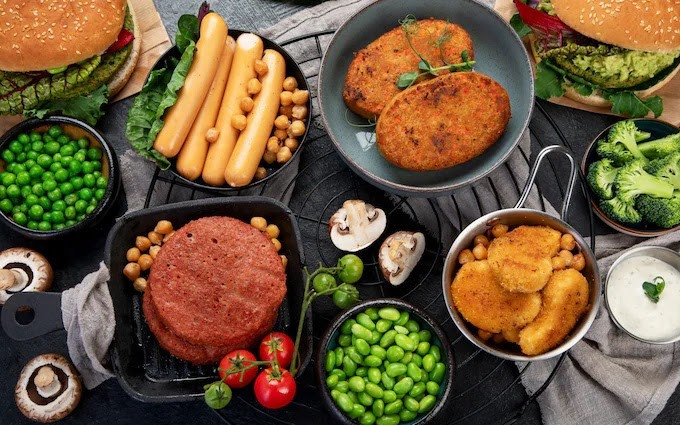
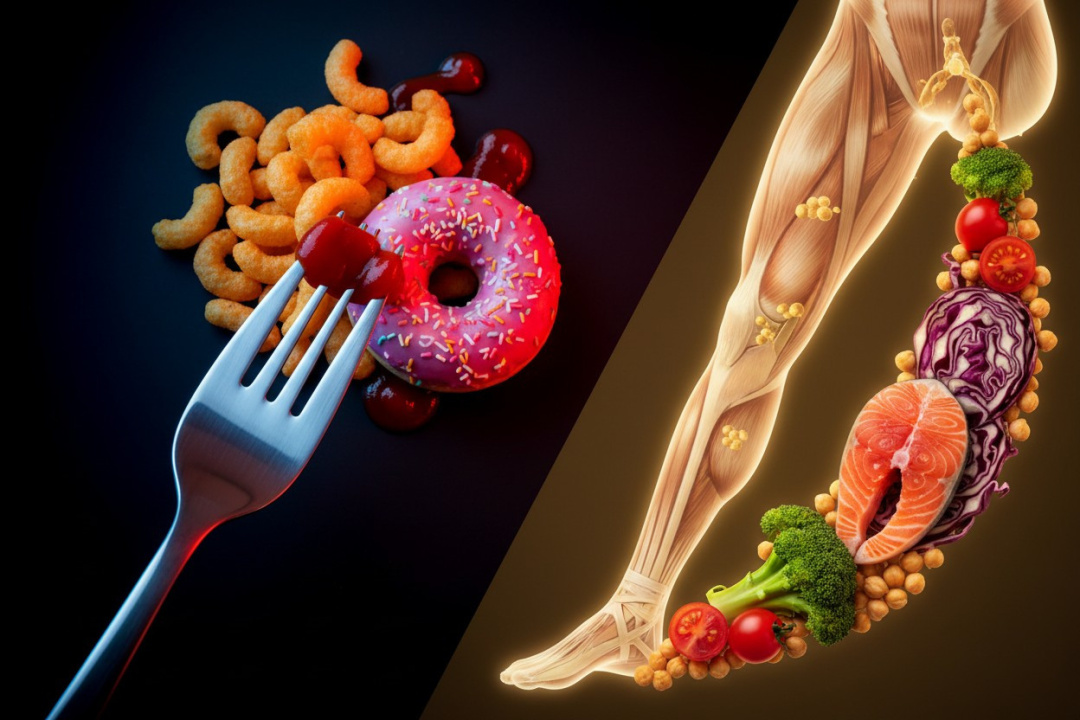
A recent study has found that high consumption of ultra-processed foods is associated with more severe age-related muscle loss among older adults. The research, involving 1,006 participants in Iran, indicates that dietary patterns may significantly influence muscle health as ind…
Older adults taking GLP-1 medications such as Ozempic and Wegovy should focus on adequate protein, calcium, and vitamin D intake to maintain muscle and bone health during weight l…
A recent study involving over 11,000 U.S. adults has found a significant association between vitamin D levels and appendicular muscle mass, particularly highlighting a causal rela…
A growing number of women over 30 are turning to creatine supplements to combat age-related muscle loss, according to a recent article. The piece highlights the benefits of creati…
Recent discussions surrounding vegan diets highlight potential health risks, particularly concerning nutritional deficiencies that can arise from eliminating meat and dairy. Exper…
Researchers at Kyushu University have identified a compound that may enhance muscle repair capacity, potentially addressing age-related muscle loss. The study focuses on how a pro…
A recent analysis indicates that intermittent fasting, a popular dietary approach for weight management, may lead to a reduction in lean muscle mass. The findings highlight the im…
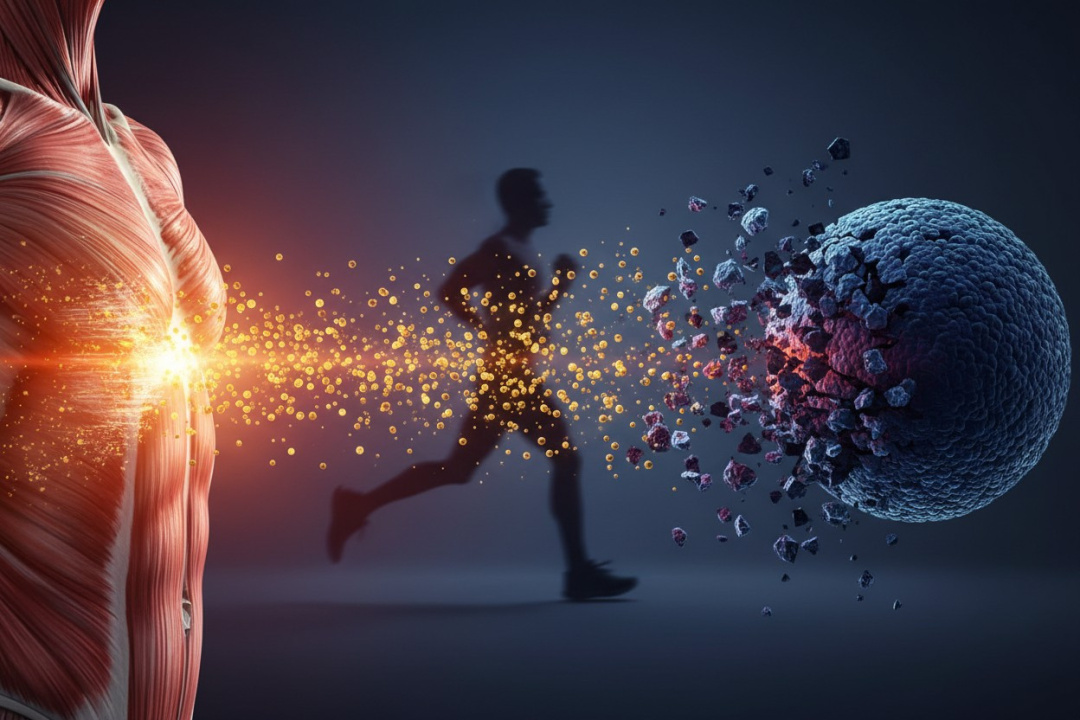
Research from Duke-NUS Medical School suggests that exercise can reactivate a cancer-fighting mechanism in muscle tissue by enhancing the production of extracellular vesicles that…
Sarcopenia, or age-related muscle loss, affects many adults, particularly those over 40, leading to significant declines in muscle mass and strength. This condition can be detecte…
 Breathing.Food