Study Finds High Ultra-Processed Food Intake Linked to Severe Muscle Loss in Older Adults
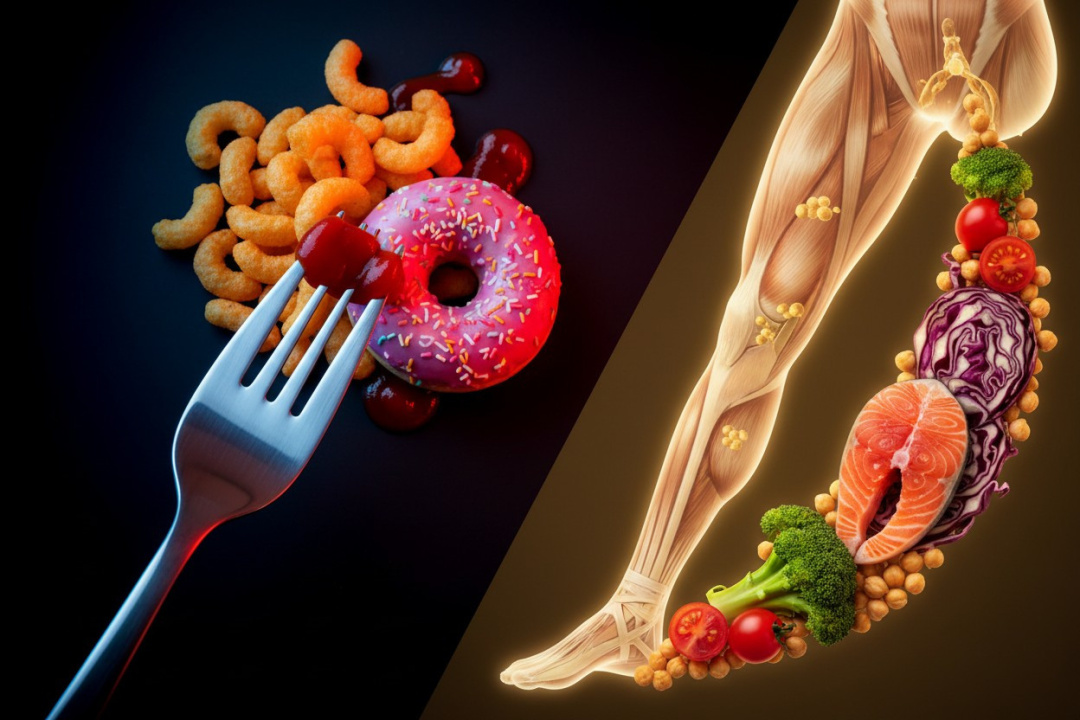
A study reported on August 6 has revealed a concerning link between high consumption of ultra-processed foods and severe age-related muscle loss in older adults. This analysis involved 1,006 older adults from the Birjand Longitudinal Aging Study in Iran, where researchers classified muscle health into four stages using a standard clinical framework. The findings are consistent with previous research indicating that ultra-processed food consumption correlates with reduced muscle quality in middle-aged and older adults. Notably, each additional serving of these foods has been associated with declines in walking speed and grip strength among older men.
The study's participants were categorized based on their muscle health status: 29.1% had no sarcopenia, over half had probable sarcopenia, 8.7% had confirmed sarcopenia, and 7.7% had severe sarcopenia. It is important to note that the study was cross-sectional, meaning that both diet and muscle health were assessed at the same time. While this design can identify patterns, it does not establish a causal relationship between ultra-processed food intake and muscle loss.
Researchers utilized the NOVA classification system to categorize food intake based on the level of processing. This system has previously linked high consumption of ultra-processed foods to a 47% higher risk of heart attack or stroke among U.S. adults. The study indicated that individuals with the highest intake of ultra-processed foods were significantly more likely to experience sarcopenia compared to those with lower intake levels. The strongest association was observed at the most severe stages of muscle loss.
Additional research from the University of California, San Francisco, supports these findings, showing that participants who consumed more ultra-processed foods had greater amounts of intramuscular fat in their thigh muscles. Another study published in Nutrients found that each extra daily serving of ultra-processed food correlated with measurable declines in walking speed and grip strength among men. The researchers suggest that the displacement of nutrient-rich foods by ultra-processed options may contribute to these adverse effects on muscle health.
Chronic low-grade inflammation, which can hinder muscle repair, and metabolic effects related to blood sugar, gut health, and hormones may also play a role in this relationship. Commentary from experts has echoed these concerns, suggesting that the aggressive marketing and industrialization of processed foods have led to poor dietary habits that increase the risk of various diseases, including cardiovascular issues and obesity.
To support muscle health, the report recommends reducing, rather than completely eliminating, ultra-processed foods. It suggests prioritizing protein sources such as eggs, Greek yogurt, legumes, fish, poultry, and lean meats, while also replacing less nutritious snacks with healthier options like nuts. Fruits, vegetables, whole grains, and dairy are highlighted as important sources of nutrients that support muscle function.
The findings emphasize that consistent dietary patterns are crucial for preserving muscle health as individuals age. The researchers advocate for further longitudinal studies to explore whether reducing ultra-processed food intake can slow the progression of sarcopenia, ultimately underscoring the importance of long-term dietary habits over individual meal choices in maintaining muscle health as we age.