Recent research highlights that disparities in dementia risk based on sex and race continue into advanced age. This article explores the importance of inclusive research and offers insights on how to support cognitive health as we age.
Recent research highlights the importance of modifiable lifestyle factors in potentially reducing the risk of dementia. By focusing on healthier habits such as diet, exercise, and…
A recent study published in Neurology Open Access indicates that individuals who avoid smoking, maintain normal blood pressure, and do not have diabetes may enjoy an additional 13…
A recent study published in Neurology suggests that lower sugar intake during pregnancy and early childhood may lead to a reduced risk of developing dementia later in life. The re…
Research indicates that frequent sauna use may be associated with significant reductions in risks for all-cause mortality, stroke, and dementia. Studies published in reputable med…
A pilot study presented at NUTRITION 2026 indicates that time-restricted eating may enhance cognitive function in older women beyond weight loss effects. Conducted by Rutgers Univ…
Recent research indicates that the location of body fat is significantly associated with brain aging. A study involving over 18,000 participants from the UK Biobank reveals that v…
Recent research presented at the Alzheimer’s Association International Conference suggests that repeated head impacts in sports like football and rugby may be associated with an i…
A recent study highlights the connection between obstructive sleep apnea and subtle memory differences in middle-aged adults, suggesting that even those without cognitive impairme…
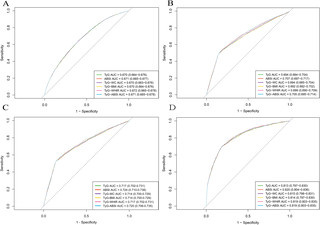
A recent study involving over 370,000 participants from the UK Biobank has found significant associations between the triglyceride-glucose index (TyG) and body shape index (ABSI)…
More than three million people in the UK work night shifts, which can significantly affect their health. Emerging research suggests that disrupted sleep patterns may lead to serio…
A recent study reveals that a blood test measuring the p-tau217 protein can predict the risk of developing Alzheimer's disease in older adults up to a decade before symptoms appea…
A recent study finds that your hemoglobin levels not only affect your blood but now also determine your likelihood of developing dementia, creating new metrics for women's health…

 Breathing.Food