Study Links Triglyceride-Glucose Index and Body Shape Index to Dementia Risk
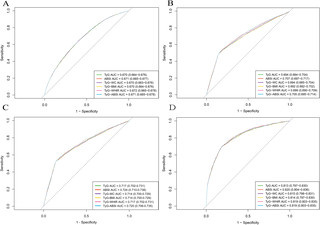
A study published in PLOS One has explored the connections between the triglyceride-glucose index (TyG), body shape index (ABSI), and their predictive value for cognitive decline and dementia risk. With the global population aging, the incidence of cognitive decline and dementia is expected to rise significantly, posing a major public health challenge. The study utilized data from the UK Biobank, which included 370,744 participants, to examine these associations. The TyG index, a marker for insulin resistance, and ABSI, which evaluates visceral obesity, were calculated using established formulas. Cognitive decline was assessed through cognitive tests, while dementia was diagnosed based on recorded incidents and algorithmically defined outcomes. The results indicated that higher quartiles of TyG, ABSI, and TyG-ABSI were associated with increased risks of all-cause dementia and its subtypes, including Alzheimer's disease and vascular dementia. Specifically, the highest quartiles of TyG were linked to a 33% increased risk of dementia, while ABSI showed a 79% increased risk. These findings underscore the importance of monitoring metabolic health as a potential avenue for early intervention in cognitive decline and dementia. The study calls for further research to validate these indices as reliable predictors and to understand their role in the prevention of cognitive impairment. Additionally, the study emphasizes the need for early identification of risk factors for cognitive decline, which is critical for implementing preventive measures and timely interventions. The authors suggest that the combined impact of TyG and ABSI may provide novel tools for clinical identification and targeted intervention in at-risk populations, highlighting the urgency of addressing metabolic health in the context of cognitive aging.














