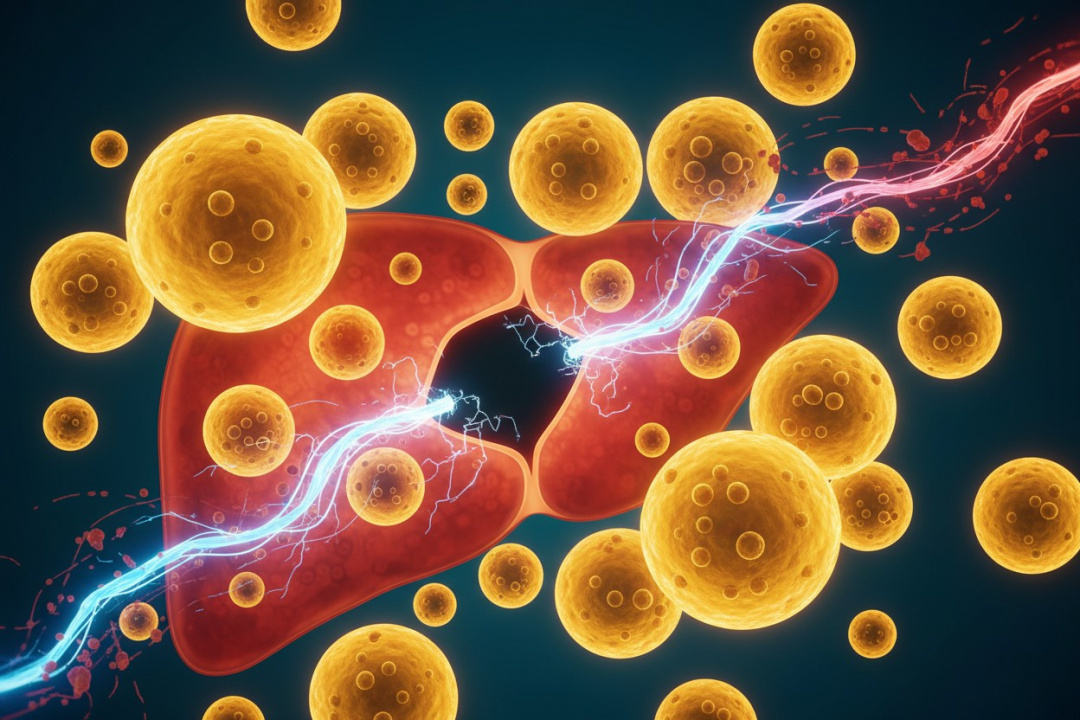
Recent observational studies have found a correlation between heavier alcohol consumption and increased levels of visceral fat, which surrounds internal organs. While these findings suggest a connection, researchers caution against inferring causation, emphasizing the need for f…
A recent study highlights how abdominal fat, particularly visceral fat, may exacerbate menopause symptoms such as hot flashes and irritability. Researchers found that higher level…
Nutrition researcher Rachele Pojednic, PhD, discusses common mistakes in intermittent fasting, particularly the timing of meals and the effects of skipping breakfast. She emphasiz…
A recent study has found that higher consumption of ultraprocessed foods is associated with signs of vascular damage in the brains of middle-aged adults. This connection raises im…
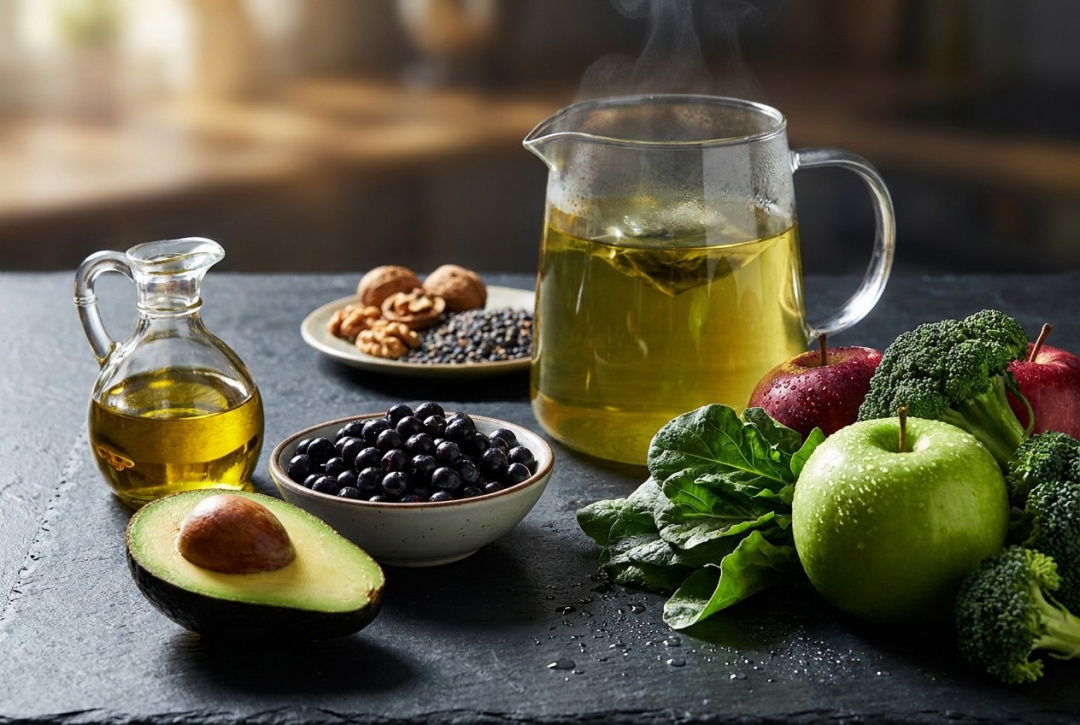
Dr. Michael Aziz, an internist in New York City, shares insights on foods that may help reduce belly fat and enhance heart health. His recommendations include lean proteins, fiber…
A recent study published in JAMA Network Open indicates that high consumption of ultra-processed foods (UPFs) may be associated with signs of brain damage in otherwise healthy mid…
ApoB is a crucial protein linked to cardiovascular risk, and adopting specific diet and lifestyle habits can help lower its levels. This article outlines five effective strategies…
A recent study from The Hong Kong Polytechnic University highlights the connection between visceral fat and accelerated brain aging. Analyzing data from over 18,000 UK Biobank par…
DEXA scans provide valuable insights into body composition, helping individuals understand their lean muscle and fat distribution. This test, primarily known for assessing bone de…
Recent research indicates that engaging in higher levels of moderate-to-vigorous physical activity (MVPA) may significantly reduce the risk of developing type 2 diabetes among adu…
A recent study has found that elevated levels of glycoprotein acetyls (GlycA), a marker of systemic inflammation, are associated with a higher risk of cardiovascular events such a…
Recent research indicates that higher levels of visceral fat, which is fat stored deep in the abdomen, are associated with a 51% increased likelihood of experiencing stress urinar…
A recent study published in the International Journal of Obesity reveals that the deletion of the melanocortin 1 receptor (MC1R) in liver cells leads to significant metabolic chan…

 Breathing.Food