A recent study published in Frontiers in Nutrition found that women with higher diet quality scores had 70% lower odds of developing polyendocrine metabolic ovarian syndrome (PMOS) compared to those with lower scores. The research highlights the importance of overall diet qualit…
The American Heart Association has released new guidelines emphasizing the importance of women's heart health throughout various hormonal life stages. These guidelines connect car…
Polyendocrine Metabolic Ovarian Syndrome (PMOS), previously known as PCOS, significantly affects women's reproductive and metabolic health. This condition can lead to irregular ov…
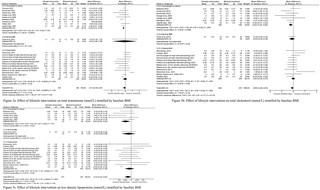
A systematic review and meta-analysis assess the effectiveness of lifestyle interventions on reproductive and metabolic outcomes in women with polyendocrine metabolic ovarian synd…
This article examines the potential of GLP-1 receptor agonists, commonly used for type 2 diabetes and obesity, in treating polyendocrine metabolic ovarian syndrome (PMOS). Experts…
A recent report highlights the significant effects of low vitamin D levels on women's health, particularly concerning mood, symptoms of polyendocrine metabolic ovarian syndrome (P…
Research indicates that GLP-1 drugs, typically used for obesity treatment, may also effectively address polyendocrine metabolic ovarian syndrome (PMOS), a hormonal disorder affect…
Recent research indicates that intuitive eating could positively impact women diagnosed with polyendocrine metabolic ovarian syndrome (PMOS), previously known as polycystic ovary…
Research involving over 1,000 women with Polyendocrine Metabolic Ovarian Syndrome (PMOS) indicates that aerobic exercise significantly reduces testosterone levels, a key hormone a…
The recent renaming of polycystic ovary syndrome (PCOS) to polyendocrine metabolic ovarian syndrome (PMOS) aims to better reflect the condition's metabolic and hormonal complexiti…

 Breathing.Food