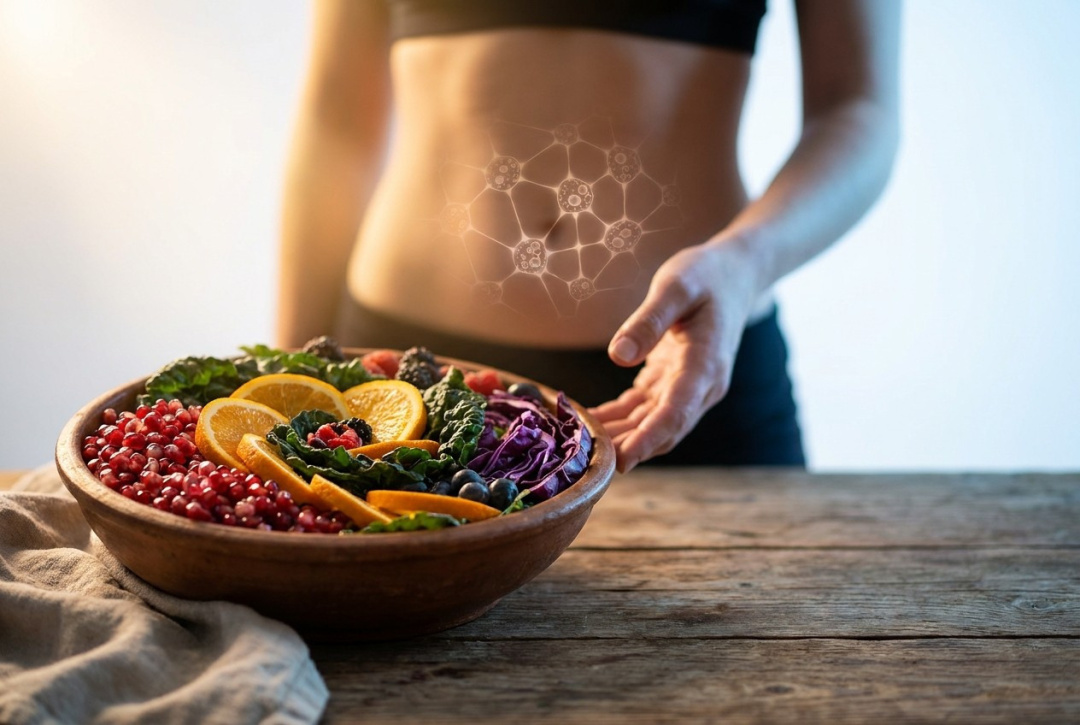
Intuitive Eating May Benefit Women Diagnosed with PMOS, New Research Suggests

A recent study has shed light on the potential benefits of intuitive eating for women diagnosed with polyendocrine metabolic ovarian syndrome (PMOS), a condition that affects various aspects of health beyond fertility, including metabolism and mood. Traditionally, management of PMOS often emphasizes weight loss, which can create a stressful relationship with food. This study surveyed 342 adults aged 18 to 40 with self-reported PMOS diagnoses, exploring how their eating habits aligned with internal cues of hunger and fullness, as well as their body image, mood, and quality of life.
The findings indicated that individuals who exhibited higher levels of body appreciation—defined as accepting and caring for their bodies—tended to engage in more intuitive eating. This suggests that a positive body image may facilitate healthier eating behaviors. Additionally, participants who practiced intuitive eating reported better quality of life and lower levels of psychological distress, particularly concerning stress and depression.
While the average intuitive eating score among participants was around 3 on a 1-to-5 scale, indicating that these patterns were not exclusive to those highly skilled in intuitive eating, the study's cross-sectional design means that it cannot definitively establish causation. Instead, it highlights a correlation between intuitive eating and improved mental health and body image.
The researchers noted that the sample was predominantly young, white, and non-Hispanic, which may limit the generalizability of the findings to all individuals with PMOS. Despite this, the study opens the door to considering alternative approaches to managing PMOS that prioritize mental well-being and body positivity over strict dietary restrictions.
While intuitive eating and healthy eating are not mutually exclusive, the research encourages individuals to trust their appetites while still focusing on nutrition. A balanced, dietitian-approved meal plan can provide structure while allowing for personal hunger cues to guide eating habits.
Overall, while the research does not prove that intuitive eating directly causes improvements in body image or mental health, it presents a compelling case for integrating self-trust into dietary practices for those managing PMOS.