A recent study from the National Institutes of Health has found a potential connection between two common forever chemicals, PFOA and PFOS, and an increased risk of ER-negative breast cancer. This research highlights the complexities of breast cancer types and the need for furth…
The U.S. Environmental Protection Agency has introduced non-binding recommendations for addressing risks associated with per- and polyfluoroalkyl substances (PFAS) in biosolids us…
Recent blood analyses of residents living near a chemical plant in Thornton-Cleveleys, Lancashire, revealed high levels of PFAS, known as 'forever chemicals.' This finding raises…
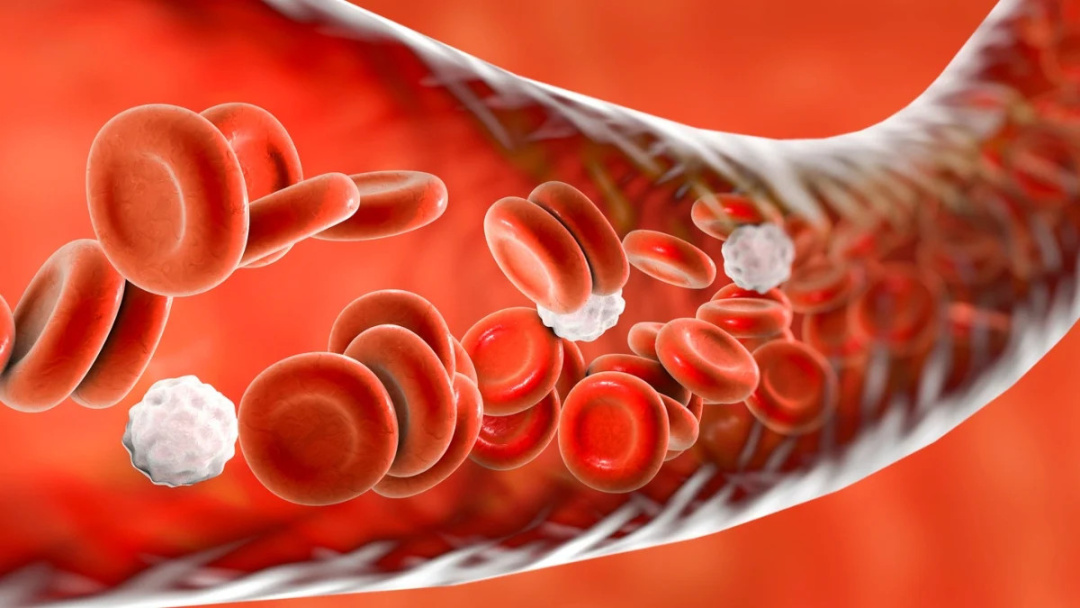
A recent study suggests that therapeutic apheresis, primarily used to treat severe cholesterol issues, may also reduce levels of harmful PFAS and microplastics in the blood. Resea…
Recent research indicates that apheresis, a blood filtration method used to remove excess cholesterol, may also reduce levels of microplastics and perfluorinated compounds (PFAS)…
Brad Reisfeld from Colorado State University discusses the pervasive nature of chemical exposure in daily life, particularly from products containing 'forever chemicals.' He empha…
In a bold move reminiscent of a dystopian sci-fi plot, regulators have declared a 500-fold increase in pesticide residue on berries as perfectly safe for consumption. The announce…

 Breathing.Food