Therapeutic Apheresis May Reduce PFAS and Microplastics in Blood, Study Finds
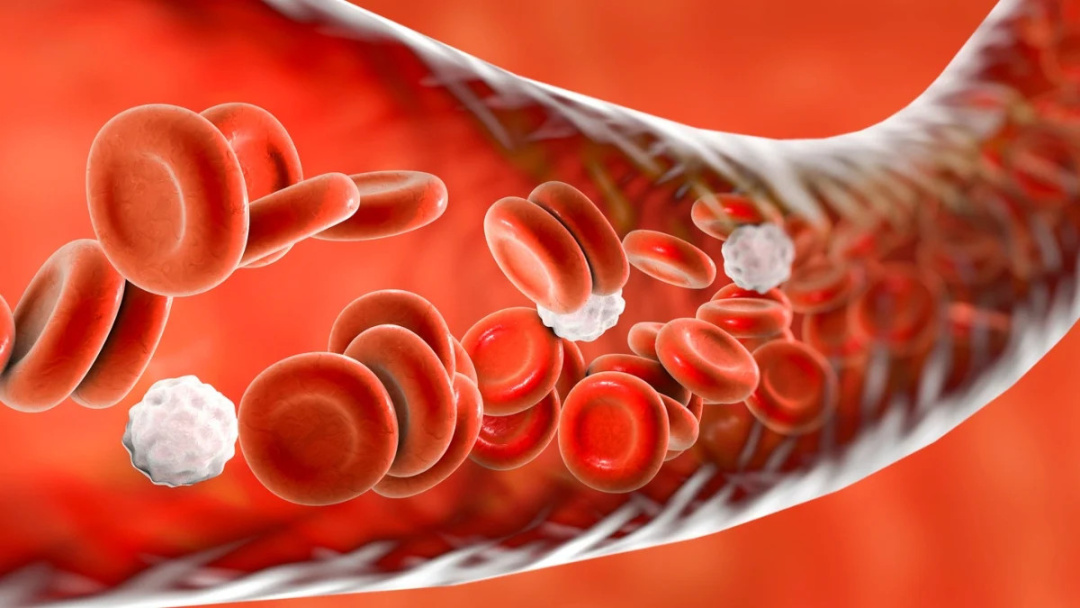
A recent study has revealed that therapeutic apheresis, a medical procedure designed to clear excess fats from the blood of individuals with cardiovascular disease, may also effectively trap smaller contaminants such as PFAS (per- and polyfluoroalkyl substances) and microplastics. This treatment involves passing a patient's blood through a machine that filters out targeted substances before returning the cleansed blood to the body. While the procedure was not originally intended to remove environmental pollutants, researchers in Germany found that blood samples taken before and after the treatment showed reduced levels of certain synthetic chemicals and microplastics.
The study, published in Brain Health, highlights that PFAS, commonly found in products like non-stick cookware and waterproof textiles, are known as 'forever chemicals' due to their persistence in the environment and human body. Long-term exposure to PFAS has been linked to various health issues, including elevated cholesterol levels and certain cancers. The researchers focused on 14 patients undergoing double filtration plasmapheresis, measuring four common PFAS before and after the procedure. Results indicated that blood concentrations of these chemicals dropped by as much as 25% immediately after treatment. Another analysis of samples from four patients revealed even greater reductions, ranging from 43.5% to 75.8% across five different PFAS.
Despite these promising findings, the study's small sample size and varying methodologies mean that the results should be interpreted with caution. The researchers noted that the higher percentage reductions do not imply that all PFAS molecules were removed from every patient. Some PFAS can bind to blood proteins and may be removed alongside the intended targets, such as lipoproteins.
The exploration of microplastics yielded mixed results. While polyethylene levels decreased in all four patients studied, reductions in polyvinyl chloride were observed in three, and other types of plastics did not show consistent patterns. These inconsistencies may stem from measurement techniques or contamination during the study. The researchers confirmed the presence of microplastics in the filters used during the apheresis, suggesting that the procedure may indeed remove these particles from circulation. However, it remains unclear whether this leads to a significant reduction in the overall microplastic burden in the body, as blood tests only reflect circulating levels at the time of testing.
The study underscores the need for larger, controlled trials to better understand the efficacy of apheresis in removing environmental pollutants like PFAS and microplastics. Current evidence does not support the use of apheresis as a detoxification method for these substances, as it is primarily a medical intervention for specific conditions and should be conducted under specialist supervision. Nonetheless, the findings open up intriguing possibilities for further research into the dual benefits of this treatment.