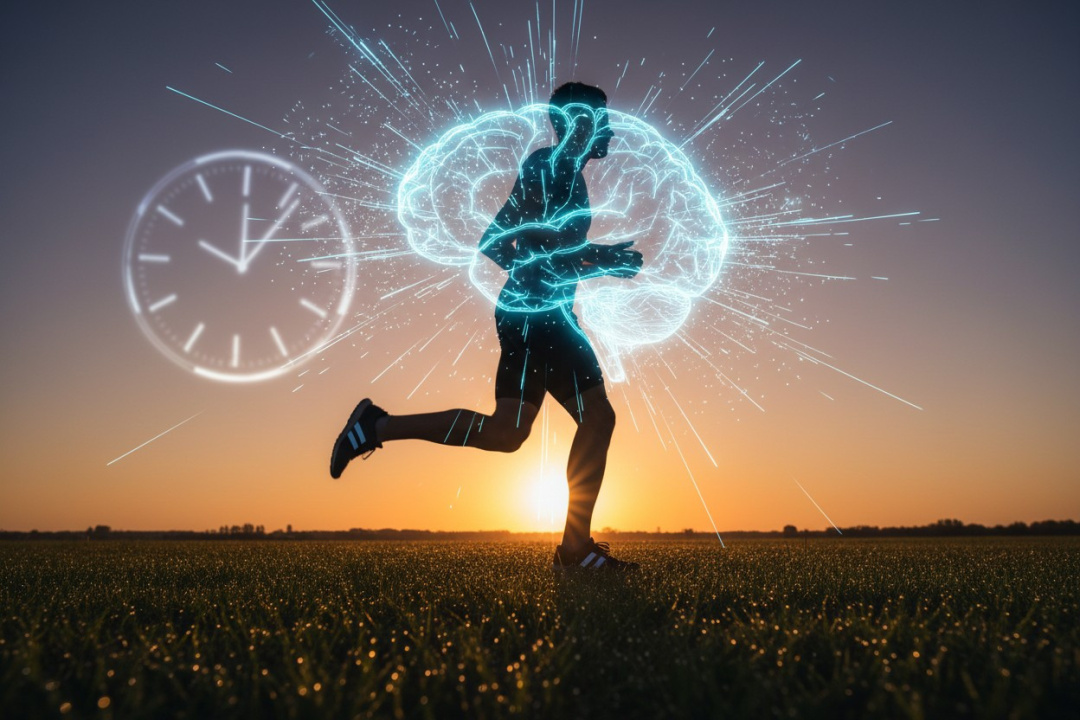
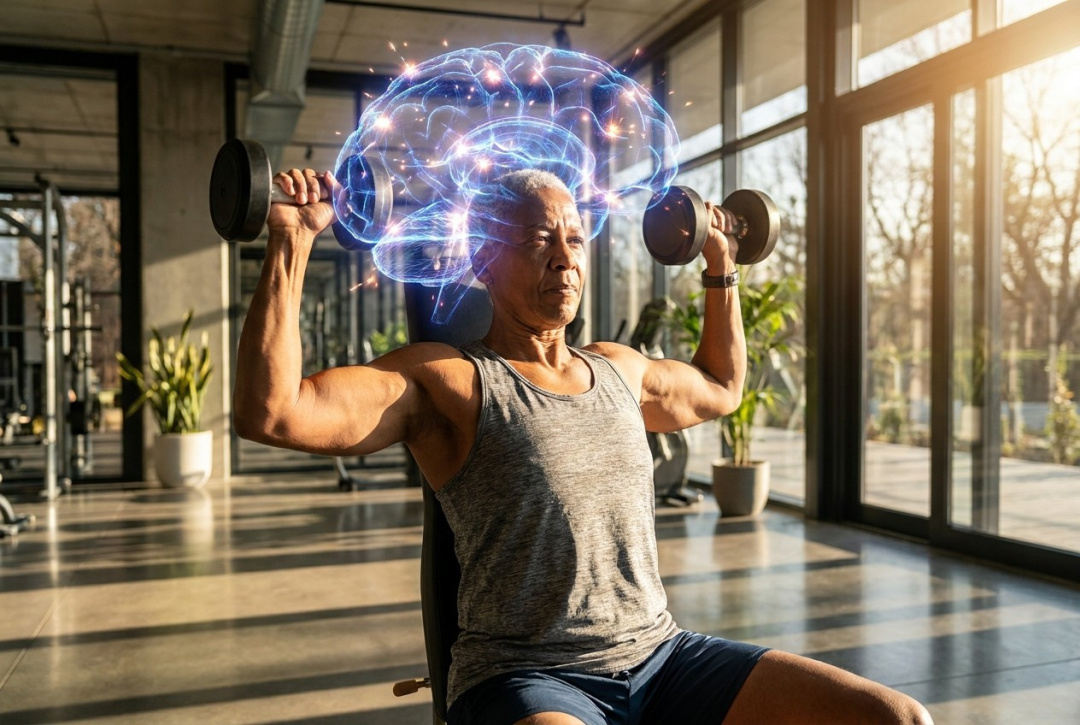
A recent study highlights the importance of integrating both exercise and nutrition to optimize brain health in aging individuals. By analyzing various trials, researchers found that combining these two lifestyle factors leads to significant improvements in cognitive function, s…
A recent review examines how different types of exercise influence brain health across the lifespan, focusing on two key molecules: BDNF and IGF-1. The findings suggest that both…
A recent meta-analysis has revealed that daily beverage choices can significantly impact mental health, with nonalcoholic drinks like energy drinks and sugary beverages linked to…
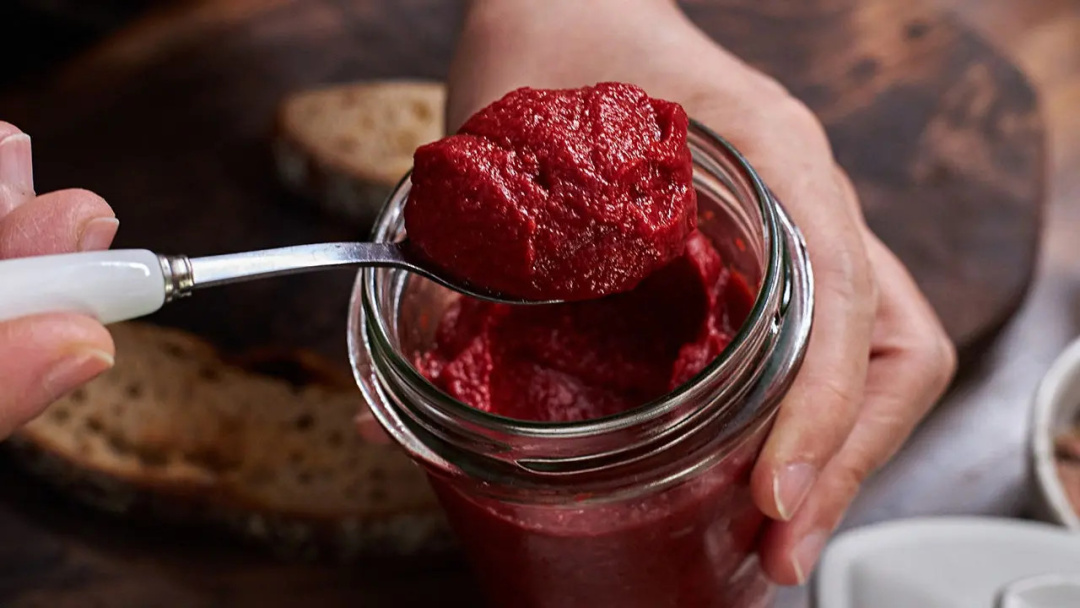
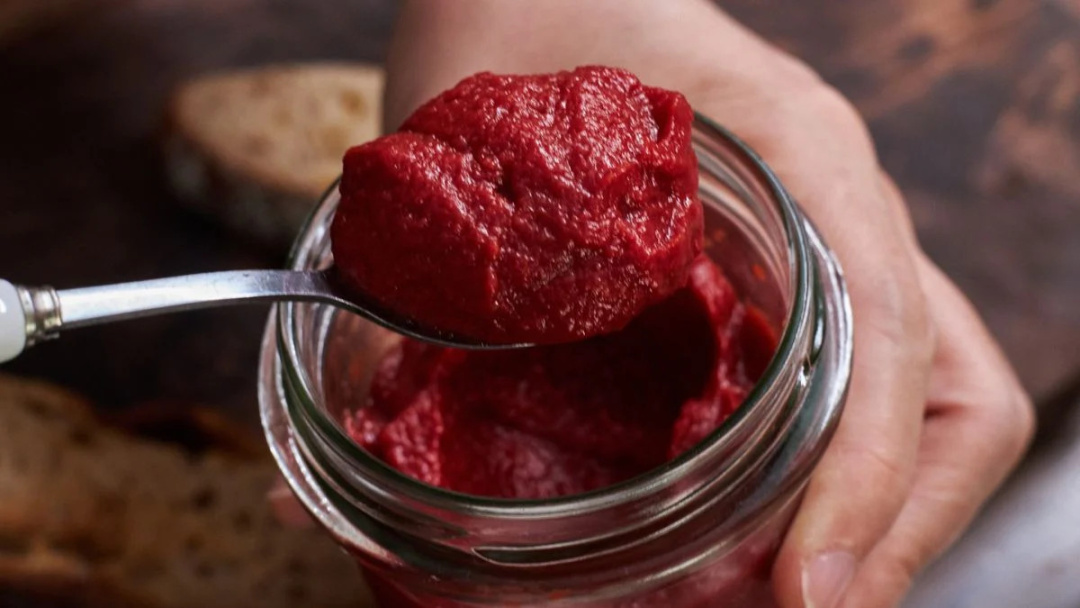
A recent study suggests that consuming about two tablespoons of tomato paste daily may enhance cognitive functions such as attention and processing speed. Conducted in Spain, the…
A recent clinical trial has found that consuming tomato paste daily for three months may enhance cognitive function in healthy adults. The study, which involved 42 participants, s…
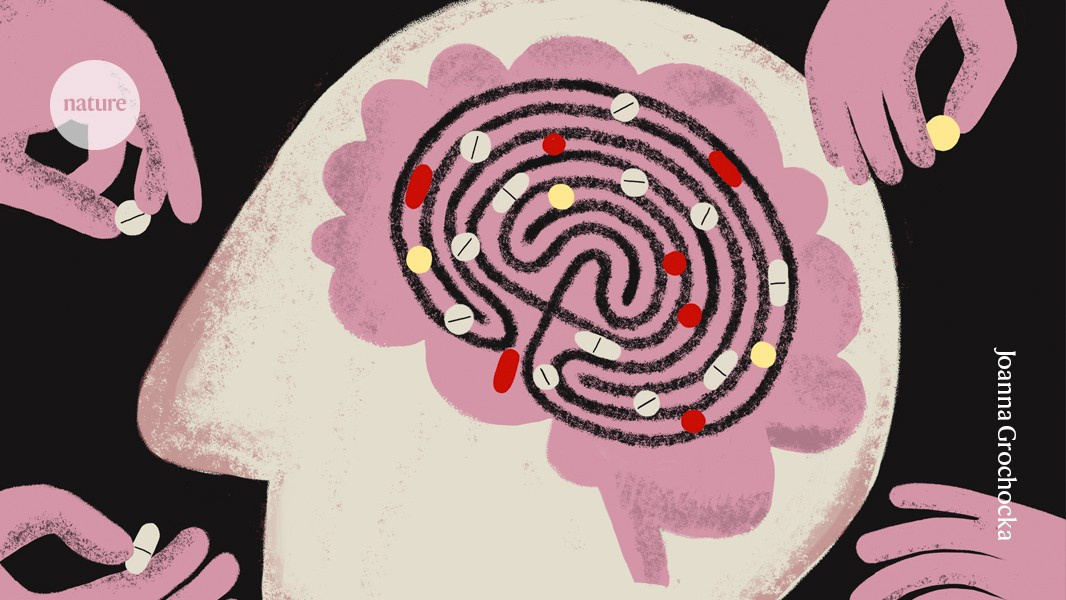
Selective serotonin reuptake inhibitors (SSRIs) are widely prescribed antidepressants, yet their mechanisms and effects remain poorly understood. This article explores the ongoing…
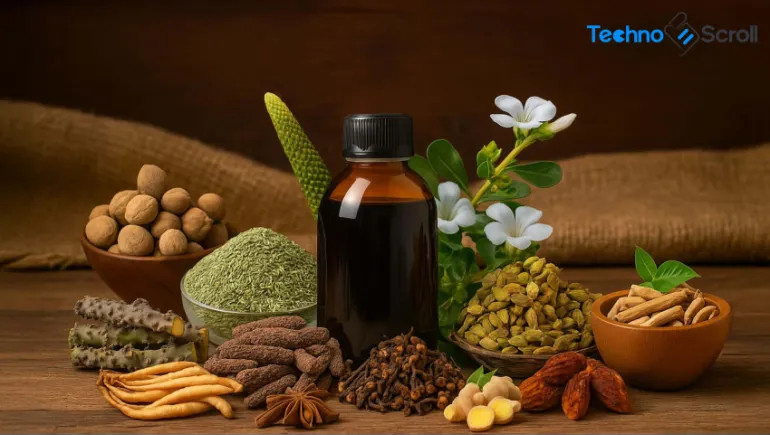
This article examines five Ayurvedic herbs traditionally believed to support brain health, including Ashwagandha and Brahmi. It discusses the historical context, current research…
A recent study highlights how aerobic exercise can enhance brain health by increasing levels of brain-derived neurotrophic factor (BDNF), a protein crucial for cognitive functions…
A recent study highlights the significant connection between strength training and brain health, revealing that exercise leads to the release of irisin and myokines like IGF-1, wh…
A systematic review highlights that regular physical activity is linked to a lower risk of anxiety disorders and can reduce symptoms of depression, comparable to antidepressant me…
A recent study published in GeroScience indicates that older adults who engage in resistance training may experience brain aging that is 1.4 to 2.3 years slower than those who do…

 Breathing.Food