Understanding the Complexities of SSRIs and Their Impact on Mental Health
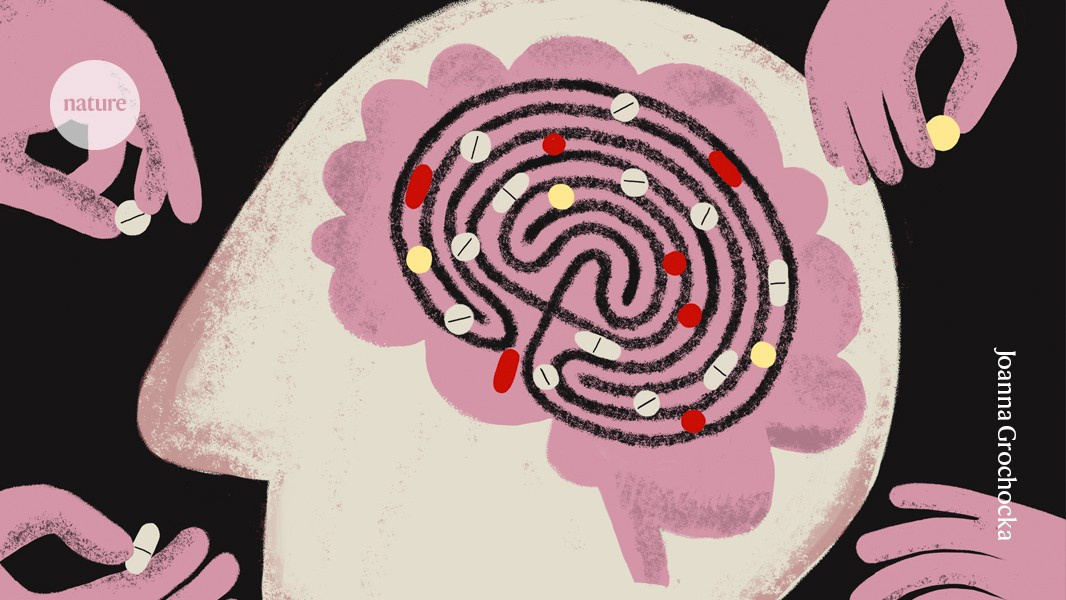
Selective serotonin reuptake inhibitors (SSRIs) are among the most prescribed medications globally, yet their exact mechanisms of action are still not fully understood. Each year, millions begin taking these drugs for depression, a condition that lacks objective diagnostic tests. Experts like Maurizio Fava, a psychiatrist at Massachusetts General Hospital, emphasize that the fundamental workings of SSRIs remain unclear. This uncertainty was highlighted recently when U.S. Secretary of Health Robert F. Kennedy Jr. claimed at a wellness summit that SSRIs are overprescribed and that their withdrawal symptoms can be as severe as those experienced with heroin. This statement sparked significant backlash from the scientific community, with many warning that such claims could deter individuals from seeking necessary treatment. However, some professionals acknowledge the potential for serious withdrawal issues, particularly given that one in six adults in the United States is currently on antidepressants. Mark Horowitz, a psychiatrist at Adelaide University, noted that while Kennedy's approach may be controversial, it brings attention to a critical public health issue. The ongoing research into SSRIs reveals a complex interplay of biological changes that occur in the brain and body, affecting individuals differently. Researchers are investigating how SSRIs influence neural circuits, gene expression, inflammation, and stress hormones, but a comprehensive understanding remains elusive. Mark Rapaport, president of the American Psychiatric Association, likens the current state of SSRIs to cancer research in the 1990s, suggesting that we are on the brink of significant discoveries. Despite the lack of clarity, many scientists agree that the withdrawal from SSRIs can be problematic for some patients. As the number of individuals taking antidepressants continues to rise, addressing the challenges associated with discontinuation becomes increasingly important. The diagnosis of depression itself poses significant challenges, as there are no definitive tests to confirm it. Clinicians rely on subjective reports regarding mood, sleep, and appetite, complicating the treatment landscape. The first modern antidepressants emerged in the 1950s, initially discovered by chance when tuberculosis medications appeared to elevate mood. This led to the development of monoamine oxidase inhibitors and tricyclic antidepressants, which increased neurotransmitter availability but often caused side effects. The introduction of SSRIs, like fluoxetine (Prozac), aimed to provide a more targeted approach, yet the narrative that depression is solely caused by low serotonin levels has been challenged by research showing that serotonin depletion does not universally induce depression. Over the decades, SSRIs have become a staple in treating depression and anxiety, with over 100 million prescriptions filled in the U.S. in 2024 alone. Giovanni Ostuzzi, a psychiatrist, notes that the ease of prescribing SSRIs has increased as healthcare systems face pressure to find quick solutions. SSRIs function by blocking the reuptake of serotonin, increasing its availability in synapses. However, the relief of symptoms often takes weeks or months, and the underlying biological processes remain poorly understood. Chronic stress is a known contributor to depression, potentially leading to changes in the brain that SSRIs may help reverse by promoting neuroplasticity. The role of brain-derived neurotrophic factor (BDNF) is also significant, as lower levels are found in individuals with major depressive disorder. Some antidepressants may enhance BDNF signaling, contributing to mood improvement. Furthermore, research indicates that SSRIs can alter emotional processing, helping individuals shift their focus from negative to positive stimuli, which may facilitate recovery. The expectation of improvement also plays a role, as evidenced by studies showing that both SSRIs and placebos can lead to significant changes in depression scales. While SSRIs are generally considered safe for long-term use, they are not without side effects, including emotional blunting and gastrointestinal issues. The ongoing dialogue surrounding SSRIs highlights the need for continued research and open discussions about their benefits and risks in mental health treatment.