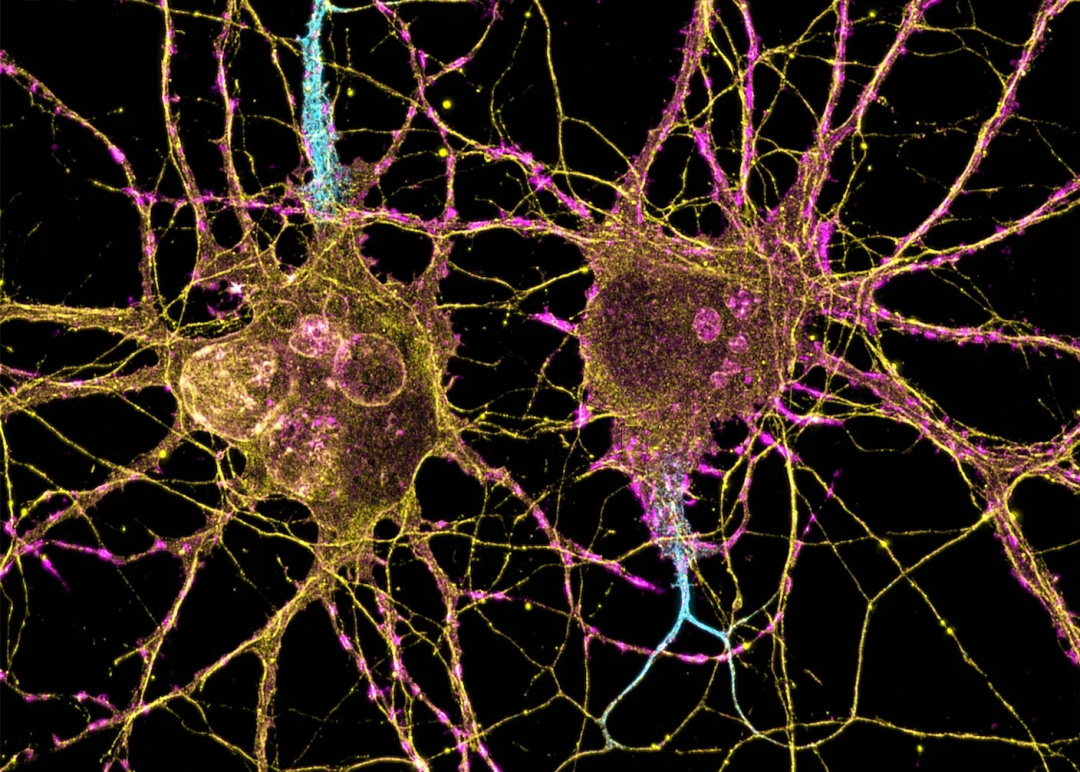
Some scientists propose that Alzheimer's disease may be linked to a condition referred to as type 3 diabetes, suggesting that impaired insulin signaling in the brain could contribute to cognitive decline. This emerging concept highlights the potential metabolic dysfunction assoc…
In a recent conversation, Dr. Tyna Moore addresses the complexities surrounding GLP-1 medications, advocating for their use at low doses. She counters common misconceptions about…
Recent advancements in blood testing for Alzheimer's disease risk assessment may revolutionize early detection and diagnosis. Approved by the FDA, tests measuring amyloid and tau…
Researchers at the University of South Carolina have developed a drug that transforms astrocytes into neurons, demonstrating potential to reverse Alzheimer's symptoms in mice. Thi…
This article highlights several recent scientific developments, including promising research on reversing Alzheimer's damage, the identification of the safest place on Earth for p…
New research from Gladstone Institutes reveals that the APOE4 gene, a major risk factor for Alzheimer's disease, may alter brain activity long before memory issues arise. The stud…
Researchers at ETH Zurich have developed a compound known as Compound 10 that may slow the progression of Alzheimer's disease by targeting the GRK2 enzyme. In tests on mice, the c…
A recent study published in Alzheimer's & Dementia reveals a significant relationship between cardiac output and brain atrophy in individuals carrying the APOE4 gene, a known risk…
Recent research presented at the Alzheimer’s Association International Conference suggests that repeated head impacts in sports like football and rugby may be associated with an i…

 Breathing.Food