As gut health emerges as a leading nutrition trend for 2026, with 59% of consumers prioritizing it, it's essential to discern the evidence behind this focus. While the underlying science regarding the gut microbiome's impact on digestion and overall health is valid, many markete…
A recent study published in the Journal of the Academy of Nutrition and Dietetics highlights that while Americans' coffee consumption has remained stable, the calories added throu…
As GLP-1 medications like Ozempic and Mounjaro gain popularity for managing diabetes and obesity, it's crucial to understand their nutritional implications. This article explores…
This article explores the roles of protein and dietary fiber in promoting feelings of fullness and satiety. It discusses recommended daily intakes for both nutrients, highlights t…
A recent analysis of 27 studies has identified five key nutrients that are linked to coronary heart disease (CHD) risk. The study emphasizes the importance of blood nutrient level…
A recent meta-analysis published in Molecular Nutrition & Food Research reveals that a high intake of flavonoids, found in common fruits, vegetables, and teas, is associated with…
Preliminary findings from a study presented at the EASD 2026 suggest that N-glycolylneuraminic acid (Neu5Gc), a sugar found in red meat, may be associated with a higher risk of de…
A recent study from the University of North Carolina suggests that oxalate, a compound found in many healthy plant-based foods, may be linked to inflammatory bowel disease (IBD).…
A recent study involving nearly 40,000 adults over 15 years suggests that regular egg consumption may be associated with a reduced risk of developing Alzheimer's disease. The rese…
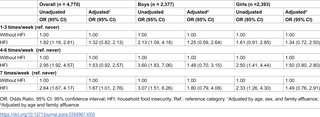
A recent study conducted in Madrid, Spain, explores the relationship between household food insecurity (HFI), dietary intake, and weight status among children aged 3 to 12 years.…
A recent study published in Frontiers in Aging Neuroscience reveals that older adults with elevated blood levels of vitamin C exhibit greater gray matter volume and stronger conne…
Health experts highlight that adults over 50 may require increased intake of calcium, protein, vitamin B12, and vitamin D due to age-related changes in nutrient absorption and mus…
In response to alarming nutritional discrepancies, a new policy requires women to increase their protein intake by an astonishing 100% to meet societal expectations and avoid pena…
Sarcopenia, the gradual loss of muscle mass and strength, poses a significant health risk for older adults, affecting up to 22% of those over 65. Recent studies emphasize the need…

 Breathing.Food