Study Links Food Insecurity to Dietary Intake and Weight Status in Madrid Children
A study published in PLOS One has examined the impact of household food insecurity (HFI) on dietary intake and weight status among children in Madrid, Spain. With HFI increasingly prevalent, especially among households with children, the research aims to shed light on how food insecurity may contribute to adverse dietary outcomes and weight issues in this demographic. The study analyzed data from a citywide cross-sectional survey conducted in 2017, which included 5,144 children aged 3 to 12 years. This survey gathered objective anthropometric measurements alongside parent-reported information regarding HFI and children's dietary habits, specifically their intake of fruits, vegetables, and sugar-sweetened beverages (SSBs). The analysis utilized Poisson regression models to estimate prevalence ratios for overweight and obesity, and multinomial logistic regression models for dietary intake outcomes, providing a comprehensive view of the situation.
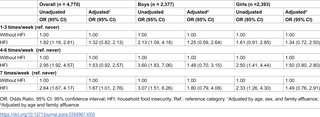
The results revealed that 18.1% of the children surveyed experienced HFI. After adjusting for factors such as age, sex, and family affluence, the study found that HFI was linked to a higher prevalence of overweight (prevalence ratio of 1.17) but not obesity (prevalence ratio of 1.20). Furthermore, children facing HFI were more likely to have never consumed fruits (odds ratio of 1.81) or vegetables (odds ratio of 3.23), and to consume SSBs daily (odds ratio of 1.67). Notably, the study indicated that these associations were stronger among girls, particularly in relation to fruit consumption.
The findings underscore the critical need for policies and interventions that address HFI and promote access to healthy foods, especially for socioeconomically disadvantaged families with children. This research contributes to the understanding of how food insecurity can negatively influence dietary habits and weight status in children, emphasizing the importance of addressing these issues to improve public health outcomes.