Balancing Your Plate: A Doctor's Guide to Managing Diabetes with Meal Composition
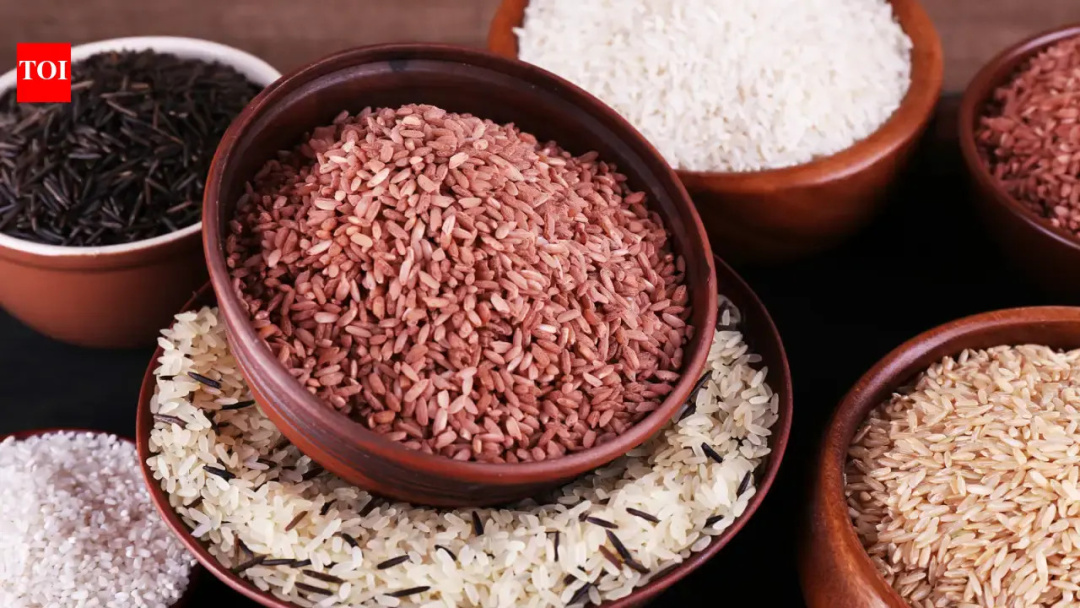
In discussions about managing diabetes, the question often arises: should individuals replace white rice with ragi? Dr. V Mohan, a prominent diabetologist, argues that the focus should not solely be on changing grains but rather on the overall composition of meals. While ragi is recognized for its fiber, calcium, and nutritional benefits, it is still a carbohydrate-rich food, similar to rice. Thus, simply substituting one for the other does not guarantee better blood sugar control.
Dr. Mohan explains that both rice and ragi are predominantly carbohydrate foods, and their nutritional value is influenced by portion sizes and the accompanying food items on the plate. He recommends a balanced approach to meal planning: half of the plate should be filled with non-starchy vegetables, such as leafy greens, while a quarter should consist of protein sources like dal, legumes, paneer, fish, eggs, or lean meat. The remaining quarter can be allocated to carbohydrates, including rice, chapati, millets, or other grains.
This strategy aims to enhance the nutritional quality of meals by increasing the intake of vegetables and protein while moderating carbohydrate portions. Vegetables provide essential nutrients and fiber, which can help regulate blood glucose levels, while protein contributes to muscle health and promotes satiety.
Understanding Carbohydrate Intake in Traditional Diets
Dr. Mohan highlights that traditional Indian diets often include multiple carbohydrate sources, leading to a high overall carbohydrate intake. Many individuals consume around 65-70% of their calories from carbohydrates, making it crucial to be mindful of portion sizes. Simply replacing rice with ragi or millet-based products may not solve the underlying issue of excessive carbohydrate consumption.
Embracing Balanced Choices for Diabetes Management
Importantly, Dr. Mohan reassures that rice does not have to be eliminated from a diabetes-friendly diet. People managing diabetes can still enjoy familiar foods, provided they pay attention to portion sizes, meal composition, and their individual blood sugar responses. The choice between rice and ragi should also take into account personal preferences and nutritional needs. Ragi can be a nutritious addition to a balanced diet, but it should not be viewed as a cure-all for diabetes.
Ultimately, Dr. Mohan's advice is clear: rather than merely changing grains, individuals should focus on adjusting the proportions of different food groups on their plates. By incorporating more vegetables and protein, they can create healthier meals that support better blood sugar management without sacrificing traditional foods.