Daily Kimchi Consumption Linked to Lower Cholesterol Risk, Study Shows
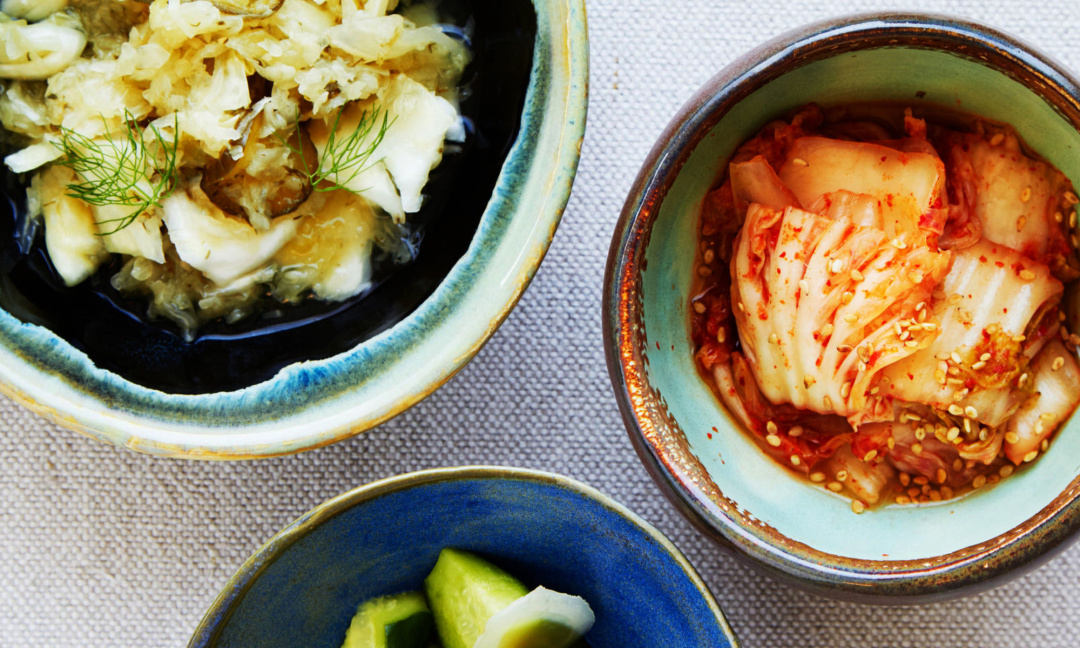
Fermented foods are well-known for their positive impact on gut health, contributing beneficial bacteria that support the gut microbiome. However, their advantages extend beyond gut health. A recent study has found that incorporating kimchi into the diet may significantly aid in lowering cholesterol levels, although the effects can vary depending on the type of kimchi consumed.
The study analyzed data from 4,666 adults aged 40 to 69 who participated in a long-term community-based study in South Korea. These participants were monitored every two years from the early 2000s until 2020, providing a comprehensive view of dietary habits over time. Dietary intake was assessed using a validated food frequency questionnaire that included 103 items, allowing researchers to track total kimchi consumption as well as the intake of various kimchi types.
The researchers specifically examined the relationship between kimchi intake and the incidence of dyslipidemia, which includes conditions such as high total cholesterol, elevated LDL (low-density lipoprotein), low HDL (high-density lipoprotein), and high triglycerides. The results revealed that kimchi had different impacts on cholesterol levels for men and women. For men, consuming 1 to 2 servings of baechu kimchi daily was associated with a remarkable 39% reduction in the risk of developing high total cholesterol compared to those with the lowest intake levels.
In women, kimchi consumption was linked to improved HDL levels, often referred to as the "good cholesterol." Women who consumed 1 to 2 servings daily had about a 20% lower risk of having low HDL levels, while those consuming three or more servings per day experienced a roughly 22% lower risk of low HDL.
Interestingly, the study did not find significant associations between kimchi intake and LDL cholesterol or triglycerides for either sex. The researchers noted that increasing kimchi consumption did not always correlate with greater benefits across different cholesterol markers, suggesting a complex relationship.
Exploring the Health Benefits of Daily Kimchi Consumption
While the study does not establish a direct cause-and-effect relationship, the researchers propose several plausible mechanisms linked to kimchi's unique composition that may contribute to these health benefits. Based on the findings, incorporating one to three servings of kimchi into your daily diet could be beneficial. This equates to approximately ¼ to 1 cup of kimchi daily, or about 50 grams of baechu and kkakdugi and 100 grams of water kimchis.
In practical terms, this could mean adding a small scoop of kimchi alongside eggs for breakfast, mixing it into a grain bowl for lunch, or serving it as a side dish with dinner. Kimchi can also enhance soups, be folded into fried rice, or layered into sandwiches or wraps.
Incorporating Kimchi into a Balanced Diet
It is important to consider that this study focused on Korean adults aged 40 and older, which may limit the applicability of the findings to younger populations or those with different dietary backgrounds. Additionally, kimchi is typically high in sodium, so individuals monitoring their sodium intake for high blood pressure should be mindful of their consumption. However, in moderation, these side dish-sized portions of kimchi can fit well into a balanced diet.
Fermented foods like kimchi should be staples in our everyday diets. Not only is kimchi a versatile and flavorful addition to meals, but its potential benefits for gut health and cholesterol management make it a worthy consideration for those looking to improve their overall health.