Study Shows Ultra-Processed Meals Trigger Greater Insulin Response Than Less-Processed
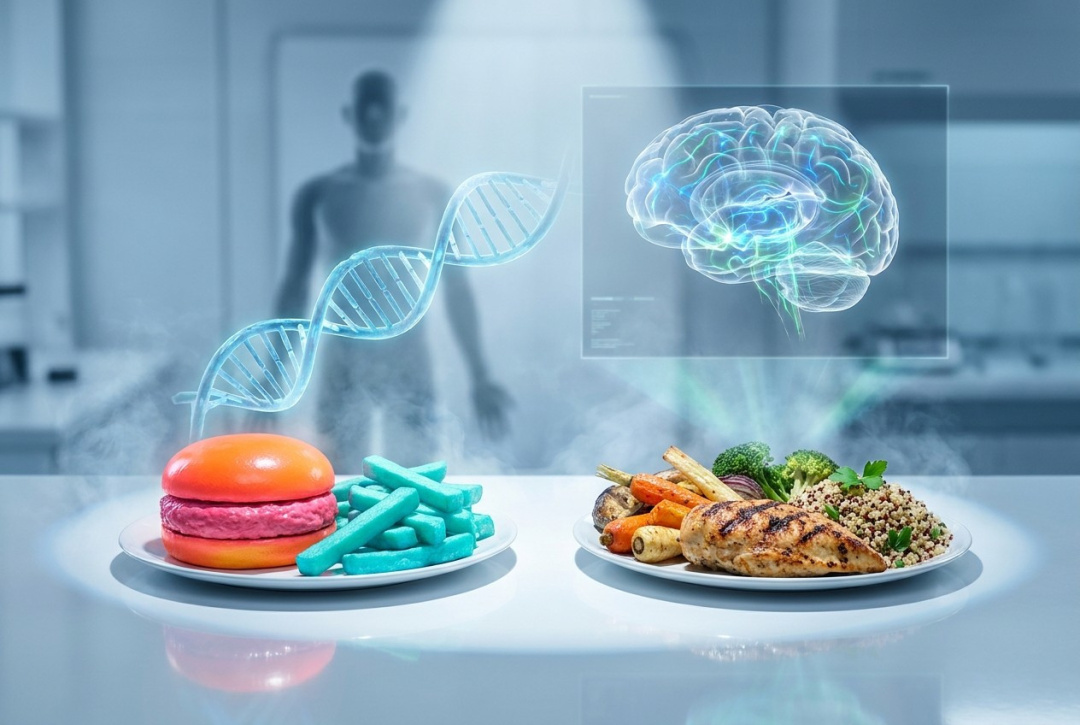
A recent study involving 57 adults has shed light on the effects of food processing on metabolic responses. Participants were given two meals—one ultra-processed and one less-processed—on separate days, both designed to have nearly identical nutritional profiles including calories, protein, carbohydrates, fat, fiber, sodium, and water content. The study, published in Nature Metabolism, aims to explore how the processing of food can influence metabolism and insulin responses.
The findings indicate that while blood sugar levels remained similar after consuming both types of meals, the ultra-processed meal elicited a significantly larger and prolonged insulin response. This suggests that food processing may alter how the body metabolizes food, which is not fully captured by traditional nutrition labels. The researchers emphasized that the physical structure of food can affect its breakdown in the digestive system, leading to different metabolic outcomes.
During the study, participants' blood sugar and insulin levels were monitored, and their energy expenditure was tracked. Additionally, brain scans were conducted to assess how participants reacted to food cues. Interestingly, the results showed that after the less-processed meal, participants' bodies increased carbohydrate burning, whereas the ultra-processed meal resulted in higher fat burning and an overall elevated metabolic rate.
Neural Responses to Food Images and Overeating Risks
The brain scans revealed that the differences in carbohydrate burning were linked to variations in brain activity when participants viewed images of food. This suggests that ultra-processed foods may influence neural pathways related to food rewards, potentially leading to overeating without conscious awareness. The study's authors noted that while the findings are significant, they do not establish a direct cause-and-effect relationship between food processing and cravings, as other factors like sleep, stress, and habits also play a role in eating behavior.
Navigating the Health Implications of Food Processing
Despite the intriguing results, the study's authors cautioned that further research is necessary to determine the long-term health implications of these findings. They emphasized that the results should not be used to make clinical recommendations at this stage. The study adds to a growing body of evidence indicating that ultra-processed foods may have adverse effects on metabolism and eating behavior.
In light of these findings, choosing less-processed foods when possible may be beneficial for metabolic health. The research underscores the importance of considering not just the calories and nutrients in food, but also how food processing can impact overall health. A previous meta-analysis indicated a linear relationship between ultra-processed food intake and an increased risk of Type 2 diabetes, further highlighting the potential health risks associated with these foods. As the research continues to evolve, it is clear that the way food is processed could play a crucial role in our dietary choices and health outcomes.