Study Links High Ultraprocessed Grain Intake to Increased Inflammatory Bowel Disease Risk
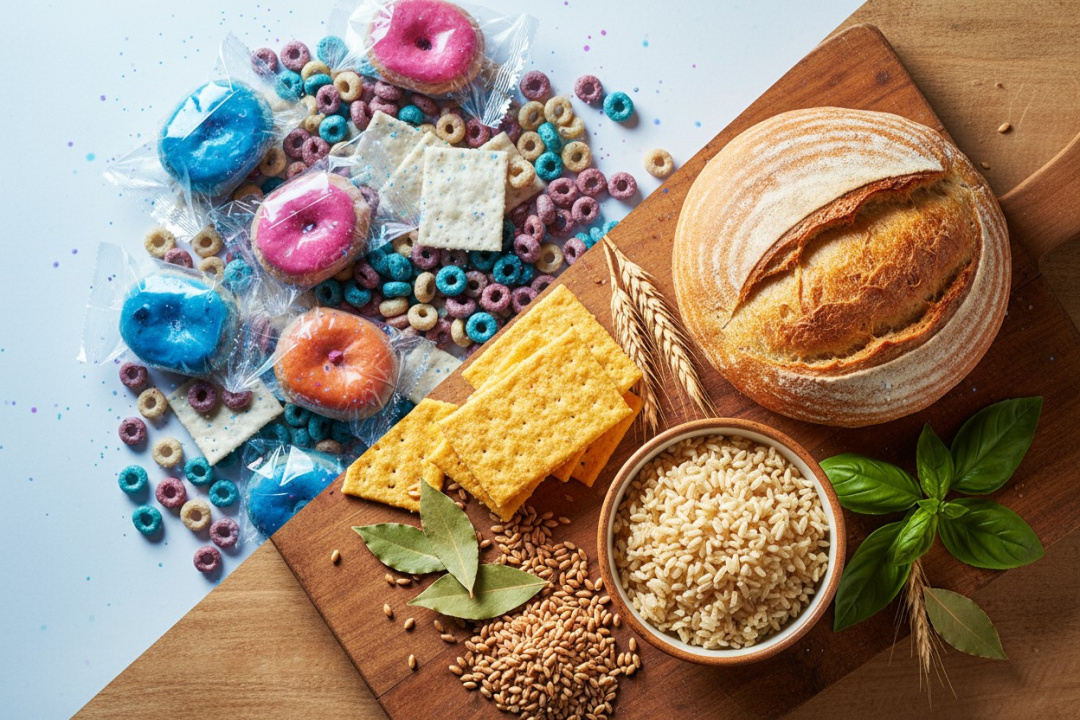
A new study has revealed concerning links between the consumption of ultraprocessed grains and the risk of developing inflammatory bowel disease (IBD), which includes conditions such as Crohn's disease and ulcerative colitis. Conducted as part of the Prospective Urban Rural Epidemiology (PURE) study, which is one of the largest long-term nutrition studies globally, the research analyzed data from 124,590 adults. Participants provided detailed food questionnaires that helped estimate their intake of ultraprocessed grains, which are defined as packaged pastries, sweetened cereals, crackers, and other grain products containing industrial additives and preservatives.
The findings indicate that individuals consuming the highest amounts of ultraprocessed grains—approximately 19 grams or more per day—faced an 86% higher risk of developing IBD compared to those with the lowest intake. In contrast, the study found that consumption of fresh bread and rice was associated with a lower risk of IBD, suggesting that the level of processing is a critical factor in dietary health rather than merely the carbohydrate content or grain source.
Researchers noted that modern dietary patterns are a significant contributor to gut microbial imbalance, known as dysbiosis, which is linked to increased gut permeability and systemic inflammation. The study's observational nature means it cannot definitively prove that ultraprocessed grains cause IBD, but it highlights the need for further investigation into how these foods impact gut health.
The researchers proposed several mechanisms for the observed association, noting that ultraprocessed grains often lack naturally occurring fiber due to the manufacturing process. Additionally, synthetic emulsifiers commonly found in processed foods can degrade the gut lining, potentially leading to increased intestinal permeability and inflammation.
Moreover, a diet dominated by ultraprocessed foods may reduce the production of short-chain fatty acids (SCFAs), which are essential for nourishing immune cells in the gut. When the gut is not adequately supported, the microbiome may become less diverse, increasing susceptibility to inflammation and illness.
While the study's authors do not advocate for the complete elimination of all grains from the diet, they suggest opting for less processed alternatives. Recommendations include choosing oatmeal over sweetened cereals, whole-grain or fresh bakery bread instead of packaged pastries, and rice or quinoa instead of heavily processed options.
Experts also advise consumers to read ingredient labels carefully, looking for signs of high processing such as emulsifiers and artificial additives. Building meals around fiber-rich foods like beans, vegetables, and whole grains can help nurture beneficial gut bacteria, contributing to better overall health.
The study adds to a growing body of evidence linking high consumption of ultraprocessed foods to adverse gut and metabolic health outcomes. While no single food determines IBD risk—factors such as genetics and environmental influences also play a role—daily food choices significantly shape gut health over time.
Published in a peer-reviewed journal, this research underscores the importance of processing levels in dietary health, especially as ultraprocessed foods continue to proliferate in the market, presenting consumers with choices that can either support or undermine gut health.