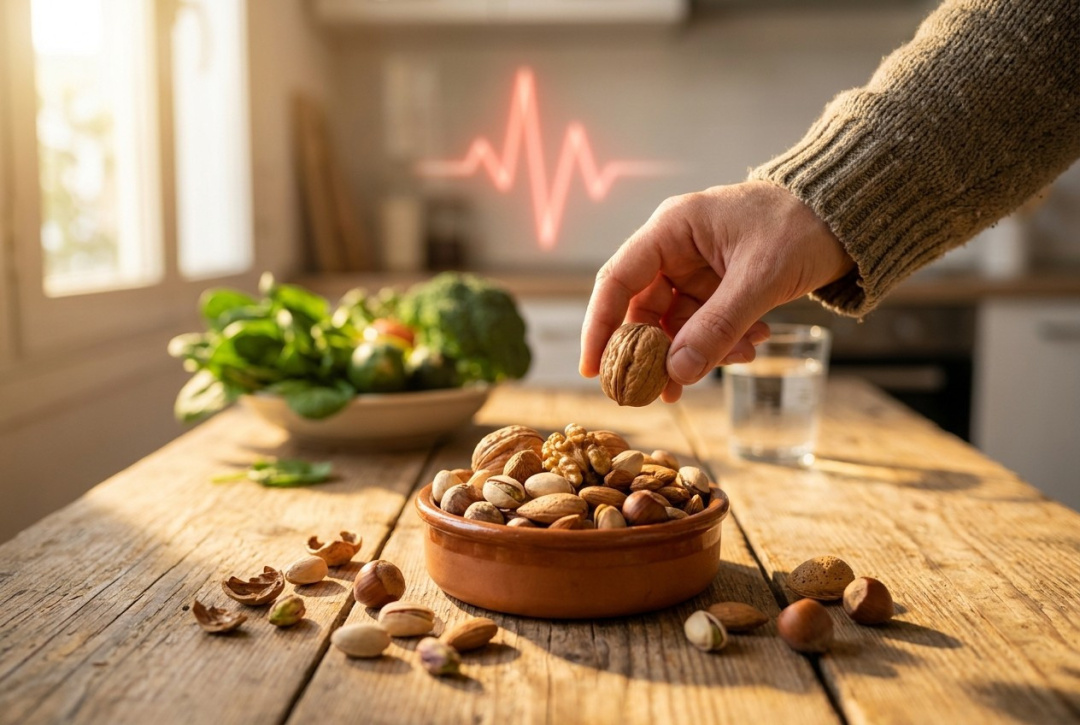
Daily Nut Consumption Linked to Lower Hypertension Risk, Study Finds
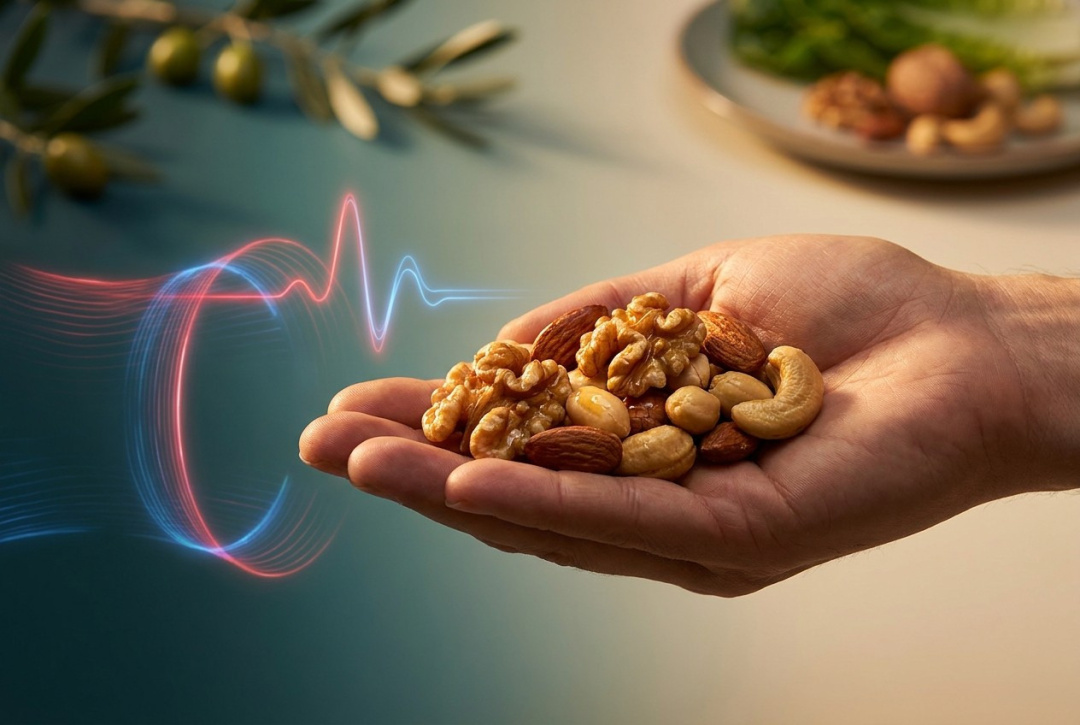
A recent meta-analysis published in the British Journal of Nutrition has found that eating approximately 30 grams, or one ounce, of nuts daily is linked to a 26% reduction in the risk of high blood pressure. This analysis included data from eight studies involving a total of 143,380 participants, with 20,665 individuals diagnosed with hypertension. The findings contribute to a growing body of research that suggests nut consumption may have beneficial effects on cardiovascular health, particularly in managing blood pressure, a significant risk factor for heart disease and stroke.
The analysis indicates that for every additional 28 grams of nuts consumed per day, the risk of developing high blood pressure decreases by 20%. Furthermore, the highest category of nut consumption was associated with a 16% lower risk of hypertension compared to the lowest consumption category. However, the study did not specify which types of nuts were consumed or whether they were salted, which could influence the results.
The authors of the study caution that the observational design of the research prevents them from definitively concluding that nut consumption directly causes the reduced risk of high blood pressure. They noted that while their findings are promising, clinical trials are necessary to establish a causal relationship. The review included studies from various countries, including the United States, France, Spain, South Korea, China, and Iran, but the authors acknowledged that generalizing these results to other populations remains uncertain.
Potential mechanisms behind the observed benefits of nut consumption may include the presence of L-arginine, which the body uses to produce nitric oxide, a compound that helps blood vessels relax and widen. Additionally, the fiber found in nuts can be fermented by gut bacteria into byproducts that may contribute to lower blood pressure. Antioxidants present in nuts are also thought to play a role in reducing inflammation, which can elevate blood pressure.
The Role of Nuts in Heart-Healthy Diets
Nuts are integral to both the Mediterranean diet and the Dietary Approaches to Stop Hypertension (DASH) diet, both of which have been associated with lower blood pressure and cholesterol levels. Previous research has indicated that various types of nuts, including almonds, cashews, walnuts, and peanuts, are linked to a reduced risk of hypertension.
Navigating Nut Consumption for Better Health
Despite the positive findings, the authors of the study emphasize the need for caution. They recommend opting for unsalted mixed nuts as a healthier alternative to processed snacks like potato chips, which can contribute to higher sodium intake and increased blood pressure risk. While the study's findings suggest a beneficial association between nut consumption and hypertension risk, they do not establish that eating nuts can lower blood pressure in individuals already diagnosed with hypertension.
In conclusion, while the meta-analysis presents compelling evidence linking daily nut consumption to a lower risk of high blood pressure, the observational nature of the study necessitates further research to confirm these findings and explore the underlying mechanisms. The authors suggest that incorporating nuts into a balanced diet may be a beneficial strategy for promoting cardiovascular health, but more rigorous clinical trials are required to validate these associations and provide clearer dietary recommendations.