The MIND Diet: A Nutrition Strategy for Supporting Brain Health in Aging
As we age, maintaining cognitive function becomes a growing concern for many. While eating well, staying active, and getting enough sleep are essential, nutrition is an area that researchers are increasingly exploring. The MIND diet, which merges aspects of the Mediterranean and DASH diets, has been designed specifically to support brain health.
In a study involving 8,681 older adults living independently in Henan Province, China, researchers investigated how closely participants adhered to the MIND diet and their performance on cognitive tests. The study utilized a food questionnaire to assess dietary habits and the Chinese version of the Mini-Mental State Examination (MMSE) to evaluate cognitive function, which includes memory, attention, and language skills.
The findings indicated that participants who adhered more closely to the MIND diet scored higher on cognitive assessments. This association persisted even after accounting for variables such as age, education, and existing health conditions. However, it is important to note that the study captured data at a single point in time. Therefore, while it reveals correlations between diet and cognitive performance, it cannot definitively establish causation.
Interestingly, the study did not find a significant link between physical activity levels and cognitive scores. Although exercise is widely recognized for its benefits to overall health, this particular analysis did not detect a clear relationship between physical activity and cognitive function among the participants. This does not diminish the importance of exercise, but rather indicates that the study's design did not support a direct connection in this instance.
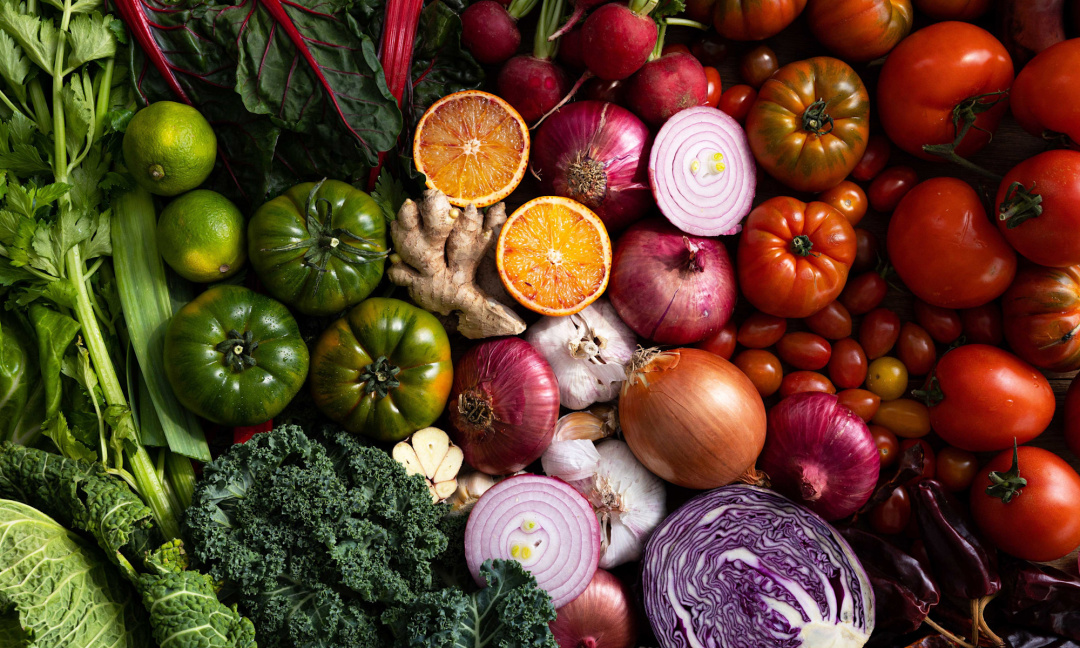
The MIND diet emphasizes foods known to be beneficial for brain health, including leafy greens, other vegetables, berries, nuts, beans, whole grains, fish, poultry, and olive oil. Conversely, it advises limiting the intake of red meat, butter, cheese, fried foods, pastries, and sweets. While wine is included in the traditional guidelines, it is not necessary to start drinking for potential brain benefits.
Nutrient-Rich Foods for Brain Function
Many of the foods recommended in the MIND diet are rich in nutrients that support normal brain function. For instance, leafy greens and beans provide folate, while nuts, olive oil, and fish are sources of healthy fats. Additionally, fruits and vegetables are packed with antioxidants, which help protect brain cells from damage. Researchers believe that these nutrients may play a role in supporting brain health by influencing inflammation and oxidative stress, although this study did not directly test those mechanisms.
You don’t need to strictly adhere to a meal plan to benefit from the MIND diet. Simple changes, such as incorporating more greens, berries, beans, and nuts into your diet, can be a great starting point.
The Importance of Balanced Nutrition for Brain Health
While physical activity was not independently associated with cognitive scores in this study, it is still vital for overall well-being. Regular exercise supports cardiovascular health, sleep, and mood, all of which are important components of a healthy lifestyle. Therefore, your grocery list could be one small part of a broader strategy to enhance brain health.
In conclusion, older adults who closely followed the MIND diet exhibited higher cognitive scores, although further research is needed to determine whether this eating pattern can help preserve brain function over time. Incorporating more nutrient-rich foods into your diet may be a beneficial step towards supporting cognitive health as you age.