Volume Eating: A Dietitian's Guide to Satisfying Meals on Fewer Calories
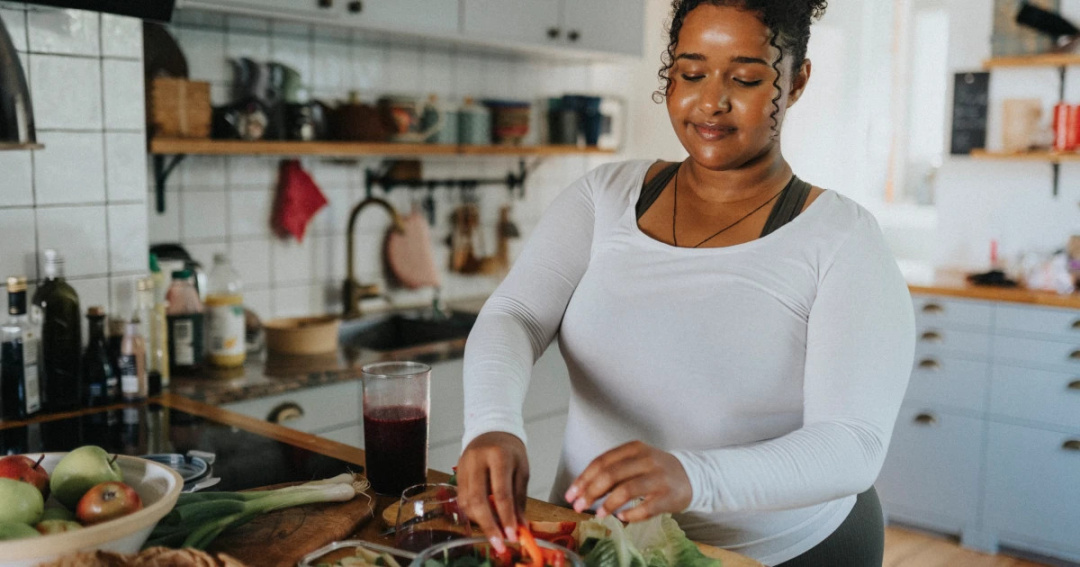
Volume eating is an effective strategy for those looking to manage their weight without the discomfort of hunger. This approach emphasizes the consumption of high-volume foods that are low in calories, allowing individuals to enjoy larger portions while still maintaining a calorie deficit. Registered dietitian Erin Palinski-Wade explains that foods such as vegetables, fruits, and broth-based soups are ideal for this method due to their high water and fiber content, which contribute to feelings of fullness.
Palinski-Wade notes that volume eating should be viewed as a way to create satisfying meals rather than a restrictive diet. This method can be particularly beneficial for those who struggle with feeling full while trying to lose or maintain weight. Instead of cutting down on portion sizes or eliminating favorite high-calorie foods, individuals can substitute some of their food choices with lower-calorie options, allowing them to enjoy larger servings and, in some instances, save calories for occasional treats.
Research supports the effectiveness of volume eating. A review of 31 studies indicated that reducing the calorie density of meals can lead to lower overall caloric intake. Furthermore, individuals on lower energy-density diets were found to consume one to two pounds more food daily while still losing weight over six months. This suggests that incorporating more high-volume foods can help manage calorie intake without sacrificing satisfaction.
Even those not focused on weight management can benefit from volume eating. Palinski-Wade points out that this approach can help individuals who eat out of habit or boredom, providing a comforting and familiar experience of eating. Additionally, for many Americans who do not consume enough fruits and vegetables, focusing on volume through these foods can enhance overall nutrition.
However, volume eating may not be suitable for everyone. Palinski-Wade advises caution for individuals with a history of eating disorders, as this method could potentially reinforce unhealthy relationships with food. If someone finds themselves prioritizing the quantity of food over listening to their body’s hunger cues, volume eating may not be the right choice.
Considerations for Individuals with Digestive Conditions
Certain digestive conditions, such as irritable bowel syndrome (IBS) or Crohn’s disease, may also make it difficult to handle large amounts of high-fiber foods. Those with a history of bowel obstruction or surgery should consult their healthcare provider before increasing fiber intake significantly. Additionally, individuals taking GLP-1 medications should be cautious, as consuming large portions of low-calorie foods can exacerbate nausea and discomfort due to slowed digestion. For these individuals, focusing on nutrient-dense foods in smaller portions is generally advised.
Foods that are excellent for volume eating include leafy greens, cucumbers, peppers, berries, and watermelon. These foods occupy considerable space on the plate and in the stomach without significantly increasing caloric intake. A practical strategy to enhance meals is to start with a broth-based soup; studies have shown that those who consume two servings of low-calorie-density soup daily can lose 50% more weight over a year compared to those who consume the same calories from snacks.
Mindful Eating: The Key to Balanced Volume Eating
While volume eating can positively influence hunger and fullness cues, it is essential to maintain a balanced diet. Palinski-Wade emphasizes that the goal should be to feel comfortably satisfied after meals, not just to eat as much as possible. It is crucial to ensure that meals are balanced with adequate protein, carbohydrates, healthy fats, fiber, vitamins, and minerals.
To practice mindful eating, Palinski-Wade suggests checking in with oneself during meals. Taking a moment halfway through to assess hunger levels can help individuals recognize when they are satisfied. It typically takes about 20 minutes for the brain to register fullness, so slowing down and being present during meals can significantly impact overall eating habits. If, after 20 minutes, hunger persists, it is perfectly acceptable to eat more.