Long-Term Study Challenges Myths About Diet Sodas and Weight Loss
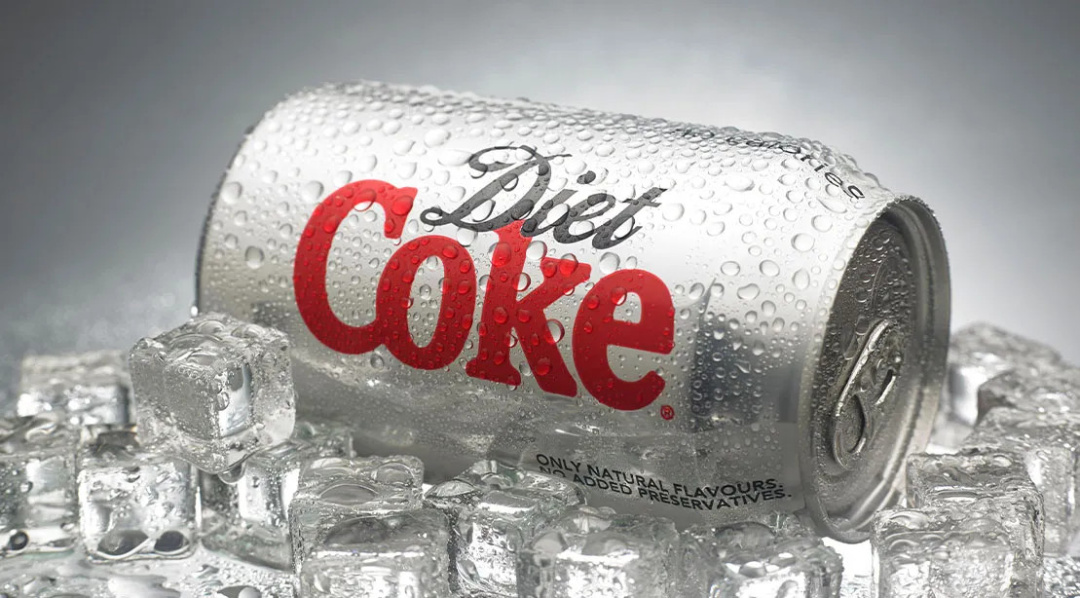
A groundbreaking study from the University of Liverpool, spanning two years, has provided new insights into the long-term effects of diet sodas on weight loss. Traditionally, artificially sweetened drinks have been criticized for potentially increasing appetite and sugar cravings. However, this recent research appears to counter those claims, indicating that diet sodas may not stall weight loss as much as previously believed.
The study, published in the British Journal of Nutrition, involved 493 overweight or obese adults who participated in a structured weight management program. Participants were divided into two groups: one consumed only water, while the other was allowed to drink a selection of 20 commercially available diet beverages containing non-nutritive sweeteners like aspartame, sucralose, and acesulfame. Each of these drinks contained fewer than 2.1 calories per 100ml, and participants in the NNS group were encouraged to consume at least two servings of diet beverages daily.
Interestingly, both groups were not prohibited from consuming sugary drinks but received coaching aimed at reducing their intake. After 104 weeks, the results revealed that those who consumed diet sodas had a slightly greater reduction in overall sugar intake than those who drank only water. This finding challenges the notion that artificially sweetened beverages lead to increased sugar cravings, suggesting that they may actually help in managing sugar consumption.
Significance of Long-Term Evidence for Diet Soda Consumption
Professor John Halford, the lead author of the study, emphasized the importance of this research in informing public health policy and guidelines. He stated, "This study provides the long‑term clinical evidence that has been missing from international discussions." The implications of these findings could be significant, especially considering the role of sugar-sweetened beverages in contributing to excess calorie intake and the risk of type 2 diabetes.
Overall, the study's findings indicate that concerns about sweeteners disrupting appetite or causing weight gain are not supported when tested in a rigorous, long-term randomized trial. As public health discussions continue to evolve, this evidence may play a crucial role in shaping future recommendations regarding the consumption of diet sodas and their place in a balanced diet.