Higher Fish Intake Before Pregnancy Linked to Lower Early-Onset Hypertension Risk
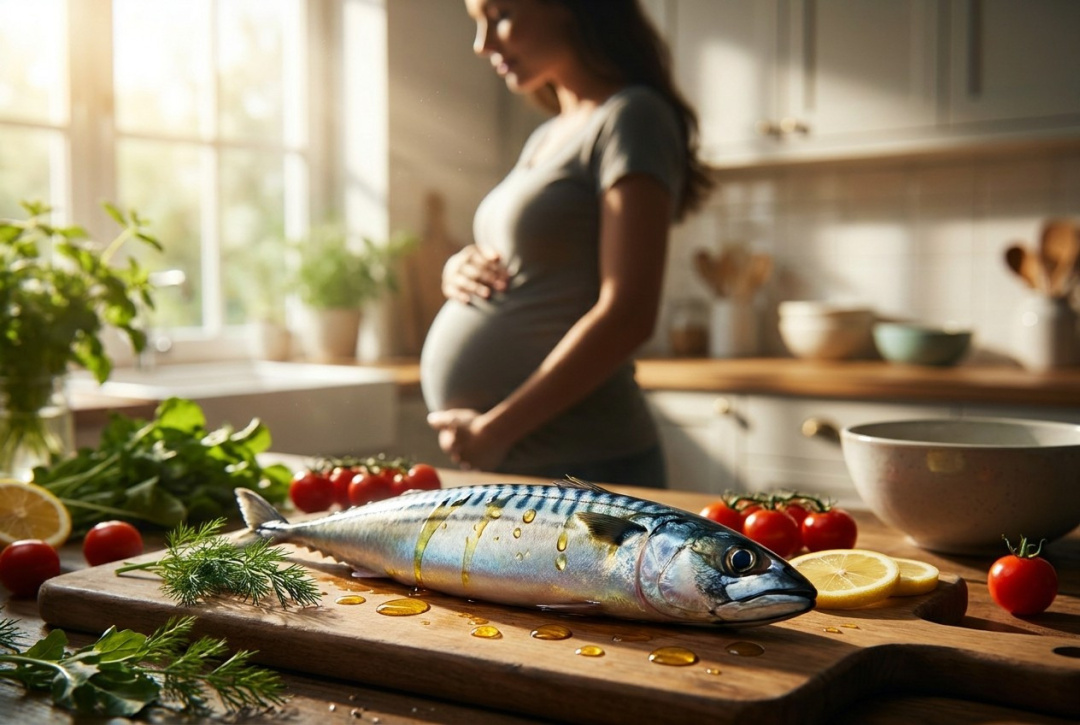
A recent observational study involving 86,009 women in Japan has revealed a potential link between higher fish intake before conception and lower odds of early-onset hypertension during pregnancy. This research, published in the European Journal of Nutrition, adds to the growing body of evidence that dietary patterns before and during pregnancy can influence the risk of hypertensive disorders, which affect approximately 5% to 10% of pregnancies globally.
The study utilized data from the Japan Environment and Children's Study (JECS), a large birth cohort study, where participants completed food questionnaires detailing their dietary habits in the year leading up to pregnancy and during their pregnancy. Researchers categorized the women into five groups based on their fish consumption levels and monitored cases of high blood pressure during pregnancy, accounting for variables such as age, weight, smoking, and overall dietary patterns.
The findings indicated that women in the highest fish intake group had a 34% lower risk of developing early-onset hypertension compared to those in the lowest intake group. Among first-time mothers, those in the second-highest fish intake category experienced a 43% reduction in the odds of early-onset hypertension compared to their counterparts with the lowest intake. Interestingly, while higher fish consumption during pregnancy was linked to lower overall odds of high blood pressure, it did not appear to affect early-onset cases specifically.
The distinction between early-onset and late-onset hypertension is significant, as early-onset cases tend to manifest earlier in pregnancy and are often more challenging to manage. The study authors noted that this differentiation is crucial since the underlying causes of these two types of hypertension may differ. However, it is important to emphasize that the study's observational design means it can only identify associations rather than establish direct causation between fish intake and hypertension prevention.
Study Limitations and Considerations for Future Research
The researchers also pointed out that the study relied on self-reported dietary data, which can introduce recall bias. They did not specify which types of fish or omega-3 fatty acids might be responsible for the observed association. Additionally, the average fish intake among participants tended to decrease during pregnancy, which could further complicate the findings.
Implications of Fish Intake on Hypertension and Pregnancy
Moreover, early-onset hypertension is often linked to issues with the blood vessels supplying the placenta, while late-onset hypertension is more closely associated with the mother's health and metabolic factors. The omega-3 fatty acids found in fish are known to support vascular health and regulate inflammation, which may help explain the observed correlations, although this theory was not directly tested in the study.
The authors concluded that while their findings suggest a potential benefit of increased fish intake before pregnancy, further research is necessary to clarify the relationship and understand the mechanisms involved. They also highlighted that women planning to conceive should consult healthcare professionals regarding appropriate dietary choices, as no specific fish intake recommendations were established based on this study.