Impact of Educational Interventions on Dentists' Nutrition Knowledge
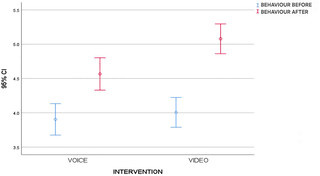
Nutrition plays a crucial role in oral health, influencing the risk of conditions such as caries, periodontal disease, and oral cancers. Dentists serve as key providers of dietary guidance, yet their effectiveness is contingent upon their knowledge of nutrition. A study conducted in Tehran aimed to compare the impact of multimedia versus audio-based educational interventions on the nutrition-related knowledge and self-reported behaviors of general dentists.
In this randomized controlled trial, 166 general dentists were recruited through professional online platforms and randomly assigned to either a multimedia-based or an audio-based educational intervention. The study assessed knowledge and behavior through a validated questionnaire, focusing on the relationship between nutrition and oral health, including aspects like periodontal health, dental caries, oral cancer, and erosion. The educational interventions were delivered over one month, and the study utilized statistical methods to analyze the data collected.
Results indicated that both educational formats led to significant improvements in knowledge and behavior scores, with the multimedia group showing greater gains. Notably, demographic variables such as age, gender, and years of professional experience did not significantly affect the outcomes. This suggests that both educational interventions can effectively enhance dentists' capabilities to provide evidence-based nutritional counseling in their practice.
Enhancing Dentists' Nutrition Knowledge Through Innovative Education
The findings emphasize the importance of nutrition in oral health care and the need for continuous professional education among dental practitioners. Given the busy schedules of dentists, incorporating multimedia and audio-based educational approaches may be an effective strategy to improve their knowledge and practices regarding nutrition.
The Interconnectedness of Nutrition and Oral Health
The study highlights the bidirectional relationship between nutrition and oral health, where compromised oral health can restrict dietary choices, reinforcing the necessity for preventive strategies. High consumption of fermentable carbohydrates is a well-established cause of dental caries, particularly when combined with inadequate oral hygiene. Additionally, deficiencies in essential vitamins and minerals can impair periodontal integrity and immune function, further complicating oral health.
Given the critical role of dentists in providing dietary advice, addressing the knowledge gaps identified in previous studies is essential. The research underscores the potential of digital educational tools to enhance dentists' understanding of nutrition and its relevance to oral health, ultimately benefiting patient care. As dental professionals continue to engage with patients, integrating tailored nutrition counseling into their practice can significantly impact oral disease prevention.