Promoting Mental Health Through Healthy Lifestyle Choices
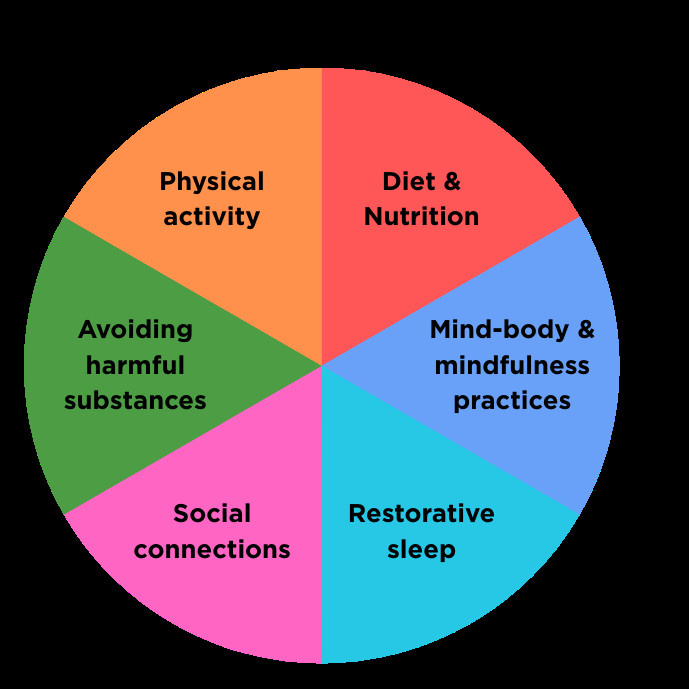
Research suggests that healthy lifestyle behaviors and habits promote mental health and wellness, serving both preventive and therapeutic roles for various mental health conditions, including anxiety, depression, and post-traumatic stress disorder. These behaviors can be categorized into six general domains that individuals can adapt based on personal preference and motivation. It is important to recognize that adopting these practices does not require perfection; individuals can gradually incorporate aspects that resonate with them and modify their approaches over time.
In the context of treating mental health conditions, lifestyle interventions—such as engaging in regular physical activity or choosing nutritious foods—can complement traditional therapies like medication and psychotherapy. These interventions not only assist in managing existing conditions but also help prevent the onset of mental illness and contribute positively to physical health.
A guiding principle in this approach is to cultivate small, sustainable habits across various lifestyle domains. Working with mental health professionals can help individuals strategize and incorporate these habits into their daily lives, ultimately enhancing their mental wellness. For instance, improvements in sleep and nutrition can lead to increased energy levels, encouraging more physical activity.
Physical activity has a profound impact on mental health. Numerous studies have demonstrated that exercise effectively reduces symptoms of depression and supports overall well-being, both as a standalone treatment and in conjunction with other therapies. Additionally, exercise has been shown to benefit individuals with conditions like post-traumatic stress disorder (PTSD) and attention-deficit/hyperactivity disorder (ADHD). Regular physical activity may also help prevent cognitive decline in older adults, enhancing cognitive function and promoting neuroplasticity—the brain's ability to adapt and learn.
Incorporating brief bouts of exercise, often referred to as "exercise snacks," into daily routines can make it easier to achieve regular movement. Simple actions like climbing stairs or doing a few jumping jacks can be integrated throughout the day, which not only helps with physical health but also improves attention and productivity.
Nutrition plays a crucial role in mental health, with research highlighting the significant impact of nutrient-rich diets. Diets rich in whole foods—such as vegetables, fruits, beans, unprocessed grains, nuts, seeds, olive oil, and fish—are linked to better mental health outcomes. Conversely, diets high in processed foods and sugars are associated with poorer mental health. The Mediterranean diet, characterized by high intake of vegetables, fruits, and healthy fats, has been particularly noted for its benefits on mental health, potentially due to its positive effects on gut biome diversity.
Exploring Mind-Body Practices and Sleep's Role in Mental Well-Being
Mind-body practices, including yoga, tai chi, and mindfulness meditation, have also been shown to reduce stress and improve overall well-being. These practices can help mitigate the effects of chronic stress, which can adversely affect both physical and mental health. As awareness of these benefits grows, more individuals are turning to these practices for support, with millions participating in yoga and meditation across the United States.
Sleep is another critical component of mental health, yet many adults struggle to obtain sufficient quality sleep. Poor sleep can lead to fatigue, irritability, and difficulties in concentration, exacerbating mental health challenges. Establishing healthy sleep habits, such as maintaining consistent sleep schedules and limiting screen time before bed, can significantly improve sleep quality. For persistent sleep issues, cognitive behavioral therapy and other treatments may be beneficial.
Social connections are vital for mental health, with research indicating that individuals with strong social support experience better health outcomes. The U.S. Surgeon General's advisory on loneliness emphasizes the risks associated with social isolation, linking it to increased mental health challenges and even premature death. Building and maintaining social connections can enhance psychological well-being and resilience, providing essential emotional support during challenging times.
The Importance of Avoiding Harmful Substances for Mental Health
Avoiding harmful substances, such as tobacco and excessive alcohol, is also crucial for maintaining overall health. Reducing exposure to harmful substances can lower the risk of chronic illnesses and improve mental health outcomes. Awareness of the dangers of substance use disorders and behavioral addictions is growing, highlighting the need for effective treatment and support.
In summary, adopting healthy lifestyle habits—ranging from physical activity and nutritious eating to fostering social connections—can significantly enhance mental health and well-being. These practices not only support individuals in managing existing mental health conditions but also play a crucial role in prevention, contributing to a healthier, more fulfilling life.