Understanding Protein Intake's Role in Muscle Health and Strength
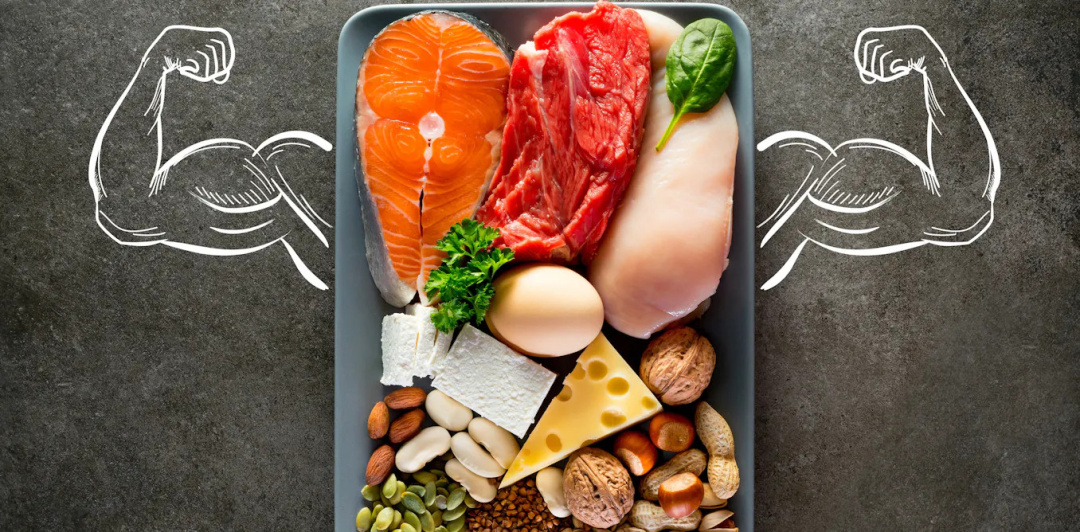
High protein content has become a prominent selling point for various foods, including breakfast cereals and yoghurts. For individuals aiming to build muscle or maintain strength as they age, selecting products with higher protein may seem like a logical choice. However, the effectiveness of additional protein depends significantly on one’s current dietary intake and physical activity levels.
For instance, individuals who regularly engage in weightlifting may find that extra protein supports their muscle growth. Conversely, older adults with reduced appetites may struggle to consume enough protein to preserve their strength. Those already meeting their protein needs may see little benefit from further increasing their intake. Recognizing these differences can simplify decisions about dietary changes, supplements, or exercise focus.
Muscle tissue undergoes continuous breakdown and rebuilding. Dietary protein provides amino acids, which are crucial for the body to synthesize its own proteins, including those found in muscle. Engaging in resistance exercise—whether with weights or bodyweight movements like push-ups—stimulates the processes necessary for muscle repair and growth, allowing muscles to adapt to repeated demands. While protein plays a supportive role in this adaptation, simply increasing protein intake does not replicate the effects of exercise.
A review of 49 trials involving 1,863 participants indicated that protein supplements led to additional improvements in muscle size and strength during resistance training, provided participants trained for at least six weeks. This suggests that protein's contribution is most significant within the context of a structured training program, rather than from simply adding a protein shake to an unchanged routine.
For individuals already consuming adequate protein, establishing a consistent strength-training regimen may yield more substantial benefits than seeking out high-protein snacks. The UK reference intake for adults is set at 0.75 grams of protein per kilogram of body weight daily. For a person weighing 70 kilograms, this translates to approximately 53 grams of protein. This intake level is designed to meet the needs of most healthy adults, rather than specifically maximizing muscle growth.
Those participating in resistance training may benefit from higher protein intake. The aforementioned review found that additional protein did not lead to further gains in fat-free mass, including muscle, once total daily intake reached around 1.6 grams per kilogram of body weight. For a 70-kilogram adult, this would equate to about 112 grams from all food and supplements combined. It is important to note that this figure is an estimate derived from various studies and should not be viewed as a strict requirement for everyone. Individual protein needs depend on existing intake and training demands.
Evaluating Protein Sources Before Supplementation
Before opting for supplements, individuals should evaluate the protein provided by their regular meals. While supplements can be convenient for those who struggle to meet their protein needs through food alone, they may offer limited additional benefits for those whose diets already suffice for their activity levels. Moreover, muscle health extends beyond mere appearance; a decline in strength can hinder everyday activities, such as rising from a chair or carrying groceries, jeopardizing independence.
A phenomenon known as "anabolic resistance" occurs in older adults, where muscle response to protein intake diminishes. This means that the same amount of protein may not elicit the same muscle-building response as it would in younger individuals. An international expert group recommends a protein intake of about 1.0 to 1.2 grams per kilogram daily for healthy adults over 65, in conjunction with exercise. For a 70-kilogram person, this would amount to approximately 70 to 84 grams. Individual needs may vary during illness, and those with significant kidney issues should seek tailored advice.
However, simply increasing protein intake is not sufficient for muscle preservation. A year-long study involving 208 healthy older adults demonstrated that protein supplementation alone did not enhance muscle size or strength compared to carbohydrate supplementation. The combination of heavy resistance training and whey protein, however, yielded benefits that supplementation alone could not achieve.
The takeaway is that discussions around protein intake should also consider opportunities for physical activity. Increasing protein without addressing inactivity may overlook a crucial aspect of muscle maintenance. While cottage cheese is a convenient protein source, numerous alternatives exist, including other dairy products, eggs, beans, and soy foods. Choices will often depend on personal preferences and budget.
Plant-Based Diets and Muscle Strength: A Viable Path
Plant-based diets can also support muscle growth. A small study involving 38 young men found that both vegans and omnivores experienced similar improvements in muscle mass and strength after following a 12-week resistance-training program, provided they consumed comparable amounts of protein—approximately 1.6 grams per kilogram daily. Both groups utilized supplements to achieve this intake. Though the study was limited in scope, it indicates that muscle gains are achievable with a plant-based diet when protein intake and training are adequate.
For overall health, the NHS recommends engaging in muscle-strengthening activities at least two days a week. Exercises should be tailored to individual abilities and progressively increase in difficulty as strength improves. Ultimately, individuals consuming insufficient protein may benefit from dietary adjustments, while those already meeting their needs may find greater success in establishing a sustainable strength-training routine. These decisions should be personalized, as a protein count on a food label cannot capture the nuances of individual circumstances. Whether the aim is to lift heavier weights or simply navigate stairs with ease, the key consideration is how diet and activity can work together to support those goals. Simply purchasing more protein is only beneficial when it addresses a genuine need.