Top Plant-Based Proteins for Reducing Inflammation, According to a Dietitian

Plant foods, particularly plant-based proteins, are packed with nutrients that include antioxidant and anti-inflammatory compounds beneficial for heart, brain, and gut health. Natalie Rizzo, a registered dietitian and nutrition editor at TODAY, explains that while inflammation is a normal immune response, chronic inflammation is linked to serious conditions such as cardiovascular disease and Type 2 diabetes. Regularly consuming anti-inflammatory foods can help reduce or eliminate this chronic inflammation.
Most plant-based proteins are rich in anti-inflammatory compounds. Rizzo points out that antioxidants, polyphenols, unsaturated fats, and fiber found in many plant foods contribute to their anti-inflammatory properties. Antioxidants help neutralize free radicals, which are unstable molecules that can damage cells. Unsaturated fats are beneficial as they often replace pro-inflammatory saturated fats in the diet, while fiber supports beneficial gut bacteria that produce compounds associated with lower inflammation.
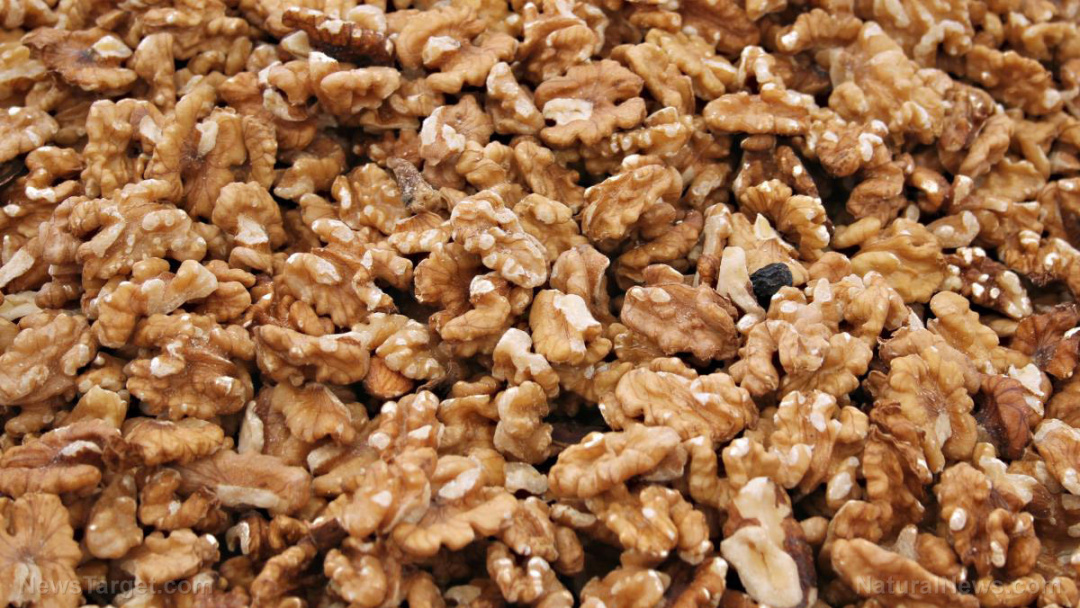
Rizzo recommends incorporating a variety of these foods into the diet, as no single antioxidant or anti-inflammatory compound can do it all. Her top pick for a plant-based protein that supports brain health is walnuts. Providing about 4 grams of protein and 2 grams of fiber per 1-ounce serving, walnuts are also rich in antioxidants and alpha-linolenic acid (ALA), an essential plant-based omega-3 fatty acid. Omega-3 fats play a crucial role in regulating the body’s inflammatory processes, and research suggests that consuming walnuts can benefit heart and brain health.
Exploring Additional Plant-Based Protein Sources
Edamame, or immature green soybeans, is another excellent source, packing 9 grams of protein and 4 grams of fiber in just half a cup. Rizzo notes that soy is a complete plant protein and contains isoflavones, which have both antioxidant and potentially anti-inflammatory properties. Edamame can be added to noodles and stir-fries or roasted with savory seasonings for a crispy snack.
Incorporating Plant-Based Proteins into Your Diet
Chia seeds are also highlighted for their anti-inflammatory benefits, being rich in ALA and fiber. A 2-tablespoon serving provides 10 grams of fiber and 5 grams of protein. Rizzo also recommends hemp seeds, which are high in protein, offering 10 grams per 3-tablespoon serving. Both seeds can be easily incorporated into various meals, such as smoothies or overnight oats, enhancing their nutritional profile.
To maximize the health benefits of these plant-based proteins, consider how they can fit into your meals. Walnuts can be enjoyed on oatmeal, yogurt, or salads, and they make a delicious snack when roasted with a touch of maple syrup and cinnamon. Edamame can be a great addition to stir-fries or served as a standalone snack. Chia seeds can be mixed into overnight oats or used to create chia seed pudding topped with fresh fruit. By diversifying your intake of these nutrient-rich foods, you can support your body’s inflammatory response and overall health effectively.