Pilot Trial Investigates Fiber Blend for IBS Management on Low-FODMAP Diet
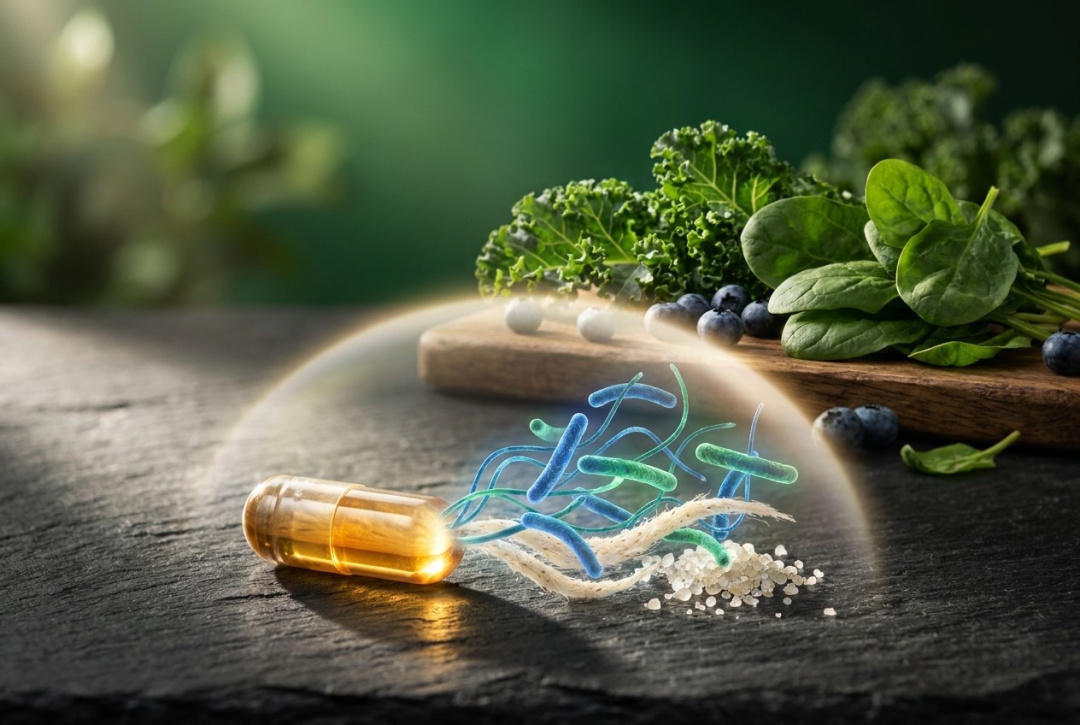
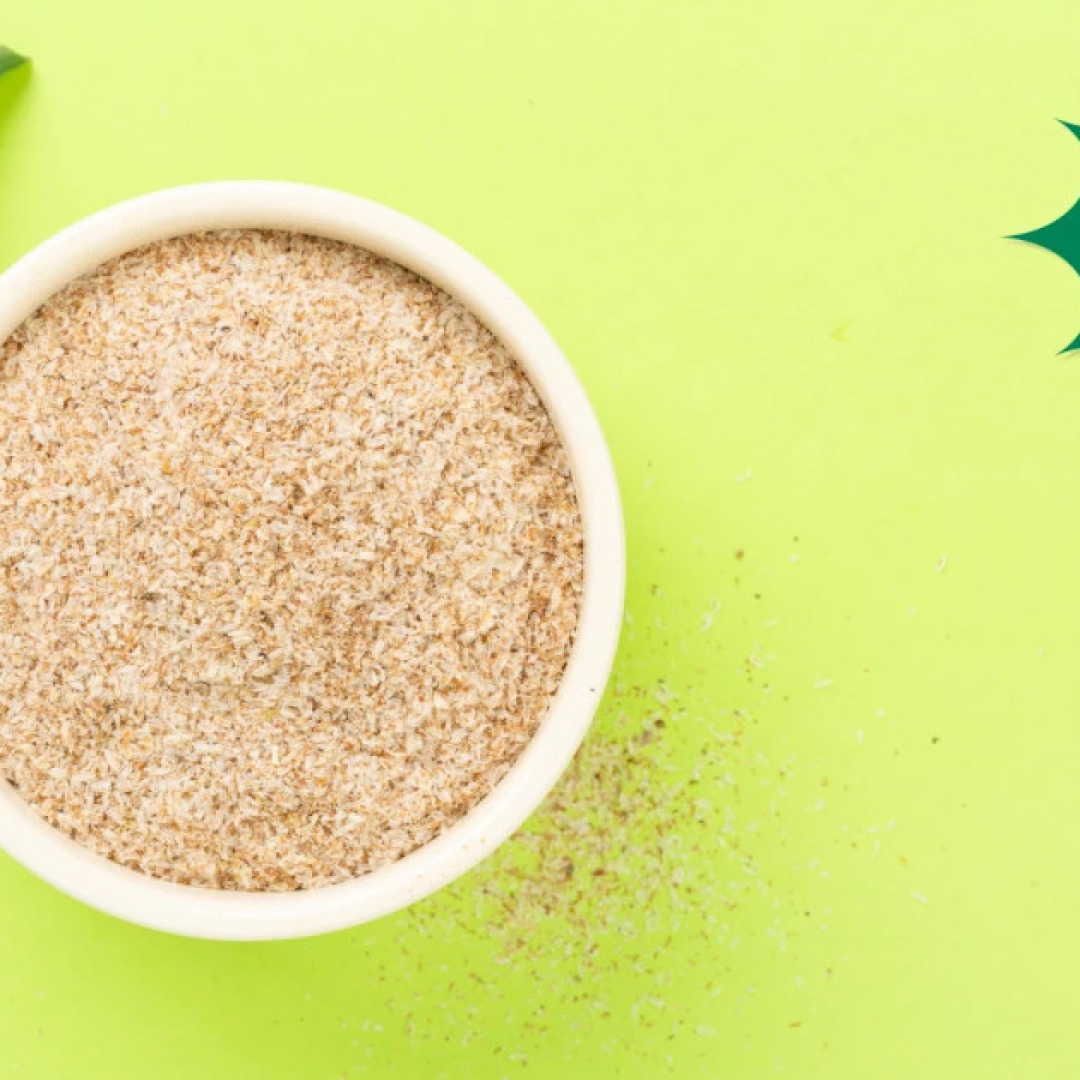
A pilot trial published in the European Journal of Nutrition examined the effects of a fiber blend combining resistant starch and psyllium husk on adults with irritable bowel syndrome (IBS) who were adhering to a low-FODMAP diet. The study aimed to investigate how this specific fiber combination influences IBS symptoms and gut health. The findings indicated that participants in the fiber group experienced stable IBS symptom severity while also seeing an increase in beneficial gut bacteria, which is a positive indicator for gut health.
The trial involved eligible adults who had been following a low-FODMAP diet for at least one month. Participants were randomly assigned to receive either the fiber blend or a placebo consisting of maize flour and psyllium husk. This double-blind study design ensured that neither the participants nor the researchers knew who received which treatment, helping to eliminate bias in the results.
Over the course of the trial, participants gradually increased their daily fiber intake from 5 grams to 40 grams over 11 days. After three weeks, 26 participants completed the trial, although the study did not specify the initial number of participants or any dropouts. Researchers assessed various outcomes, including changes in gut bacteria, IBS symptom severity, anxiety related to digestive symptoms, sleep quality, and overall diet quality.
Those taking the fiber blend notably increased their resistant starch intake, achieving recommended total fiber levels. The study reported increases in specific beneficial bacteria, such as Ruminococcus E and Prevotella, which play a role in breaking down resistant starch and supporting other microbes that produce butyrate, a compound that helps maintain the gut lining. Participants in the fiber group also reported reduced anxiety regarding their digestive symptoms, although there were no significant differences in IBS symptom severity, sleep quality, and overall diet quality between the fiber and placebo groups.
Study Highlights Potential of Fiber Blend in IBS Management
The authors of the study noted that the observed increases in beneficial bacteria alongside stable symptom scores suggest that the fiber blend was well tolerated. However, they cautioned that the small sample size limits the strength of any conclusions drawn from the study. They emphasized that while the results are promising, further research is necessary to confirm these findings and to explore the mechanisms behind the fiber blend's effects.
The low-FODMAP diet, which restricts certain carbohydrates that can ferment in the gut and cause symptoms like gas and bloating, may also inadvertently reduce fuel for beneficial gut bacteria. The researchers suggested that the addition of psyllium might help resistant starch reach the large intestine before it is fermented by bacteria, potentially improving tolerance. However, the trial did not confirm this mechanism, and the authors stated that more research is needed to isolate the effects of psyllium from those of resistant starch.
Implications for IBS Management and Future Research Directions
The findings align with previous research indicating that while a low-FODMAP diet may alleviate IBS symptoms, it can negatively impact gut microbiota in some patients. The authors proposed that targeted fiber supplementation could help mitigate these negative effects. They also cautioned that increasing fiber intake is not universally beneficial for individuals with IBS, as the type, amount, and pace of increase can significantly affect gut responses. Therefore, they advised individuals to consult with a dietitian experienced in IBS management before incorporating a resistant starch and psyllium supplement into their diet.
In conclusion, this pilot trial reported that a blend of resistant starch and psyllium husk increased beneficial gut bacteria without worsening IBS symptoms among participants on a low-FODMAP diet. While the findings are encouraging, the authors reiterated the importance of conducting larger, longer-term trials to better understand the safety and efficacy of this fiber blend for IBS management.