Study Reveals Insights into Earth's Largest Mass Extinction and Modern Climate Risks
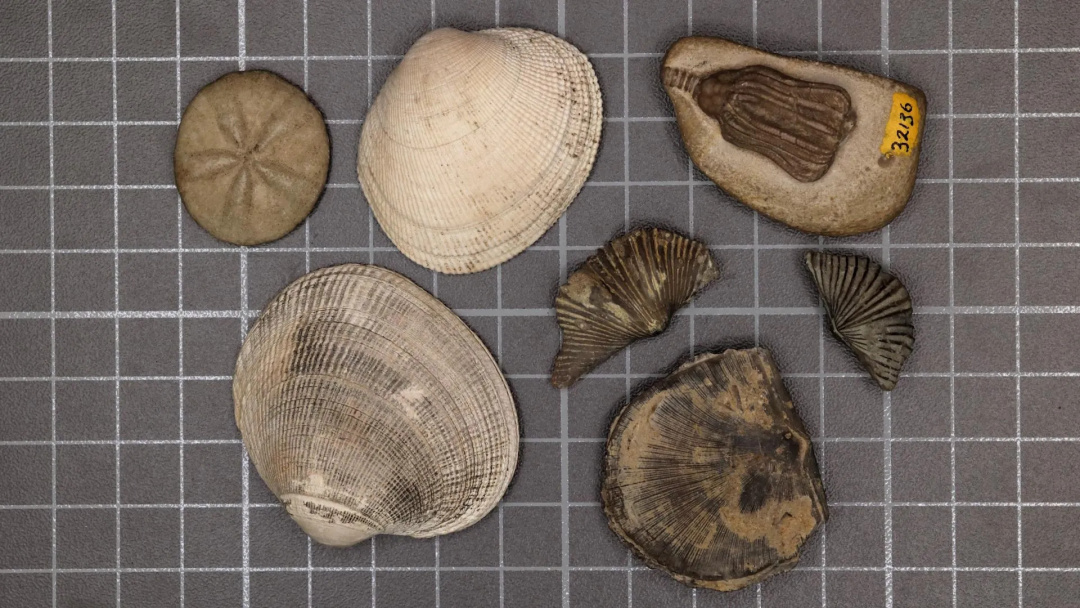
A recent study led by Stanford University has provided compelling evidence regarding the survival of some marine animals during Earth's largest mass extinction, known as the Permian-Triassic extinction event, which occurred approximately 252 million years ago. This event, often referred to as the "Great Dying," resulted in the extinction of about 96% of marine species and 70% of terrestrial animals. The research, published in the Proceedings of the National Academy of Sciences, highlights significant differences in survival rates among various marine species, particularly focusing on their metabolic responses to changing environmental conditions.
Before this extinction event, ancient seafloors were predominantly inhabited by brachiopods, which resemble clams, alongside other bottom-dwelling organisms such as sea lilies and corals. In the aftermath of the catastrophe, these groups faced near-total extinction, while mollusks, including clams and snails, managed to survive in greater numbers. The study indicates that the species that suffered the highest extinction rates were those whose metabolisms were less equipped to handle the warmer, oxygen-depleted waters that emerged following extensive volcanic eruptions that released significant amounts of carbon dioxide and methane into the atmosphere, leading to a dramatic increase in global temperatures.
Lead author Jose Andres Marquez, a former PhD student at Stanford, emphasized the importance of understanding why modern beaches are filled with clams and snails rather than brachiopods. The research suggests that extinctions were disproportionately high among species vulnerable to increases in water temperature and decreases in oxygen levels. This historical analysis offers critical insights into how current warming oceans could similarly affect marine ecosystems.
The study's findings resonate with modern climate concerns, as the environmental conditions preceding the Great Dying bear similarities to today's relatively cool and oxygen-rich oceans, which are now being altered by human activities. Senior author Erik Anders Sperling noted that the current trajectory of climate change could lead to conditions reminiscent of the Permian-Triassic extinction, with projections indicating significant temperature increases by the end of the century.
The research team conducted extensive fieldwork, including the collection of living brachiopods in Washington state's San Juan Islands, to gather data on the physiological responses of both ancient and modern marine species. They measured oxygen consumption under varying water temperatures, revealing that while Paleozoic animals could survive in lower oxygen conditions, their metabolic rates could not keep pace with rising temperatures, leading to increased oxygen demands that they could not meet.
This study not only clarifies the physiological mechanisms behind the extinction event but also serves as a cautionary tale for contemporary marine species facing similar environmental stressors. The researchers plan to further investigate how warming, oxygen loss, and ocean acidification interact, as these factors become increasingly severe in today’s oceans. The implications of this research are profound, suggesting that if current trends continue, modern marine life may face challenges akin to those experienced during the Great Dying.