Study Links Food Cravings to Weight Gain in Stressed Individuals

A recent study published in Frontiers in Nutrition highlights the intricate relationship between stress and food cravings, revealing that these cravings may play a crucial role in linking psychological distress to weight gain. The research involved 252 adults aged 19 to 65, who completed validated questionnaires assessing their levels of depression, anxiety, and stress, as well as their tendencies for food cravings. Researchers also recorded each participant's body mass index (BMI).
The findings indicate that higher levels of depression, anxiety, and stress correlate with increased food cravings and higher BMI. Notably, the study found that food cravings accounted for approximately 19% of the connection between psychological distress and BMI. This suggests that cravings for highly palatable foods, rather than just changes in metabolism or overall calorie intake, significantly contribute to the tendency for stressed individuals to gain weight.
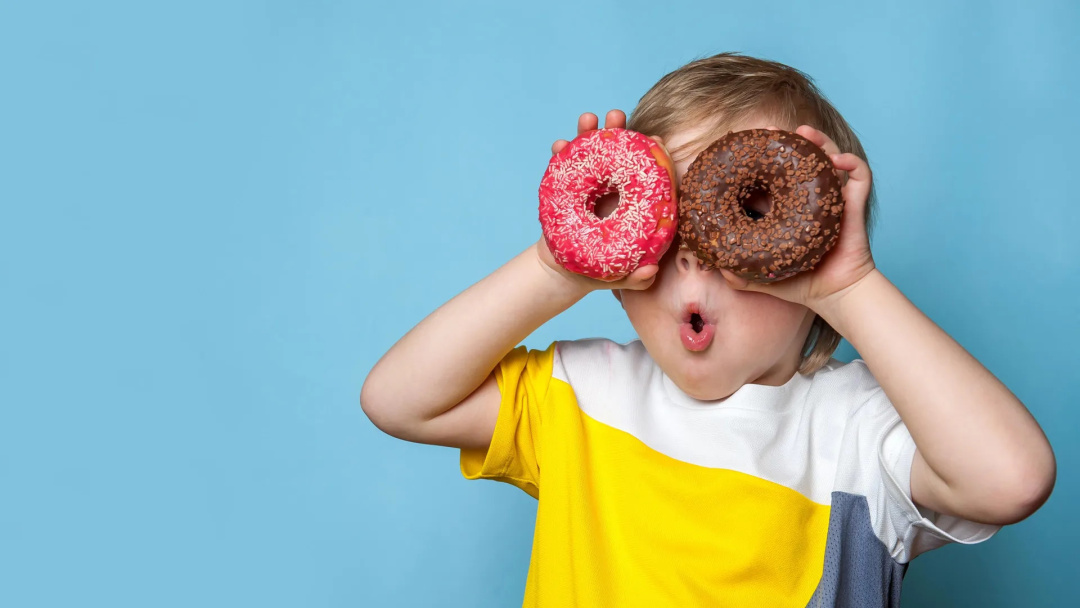
When under chronic stress, the body activates its stress response system, leading to a surge in cortisol, the primary stress hormone. Elevated cortisol levels stimulate the brain's reward system, promoting what researchers term "hedonic eating"—eating for pleasure and emotional relief rather than genuine hunger. This type of eating often involves energy-dense foods like chips, cookies, and fast food, which are rich in fat and refined carbohydrates.
Differentiating Cravings: Carbohydrate and Fat vs. Plant-Based Diets
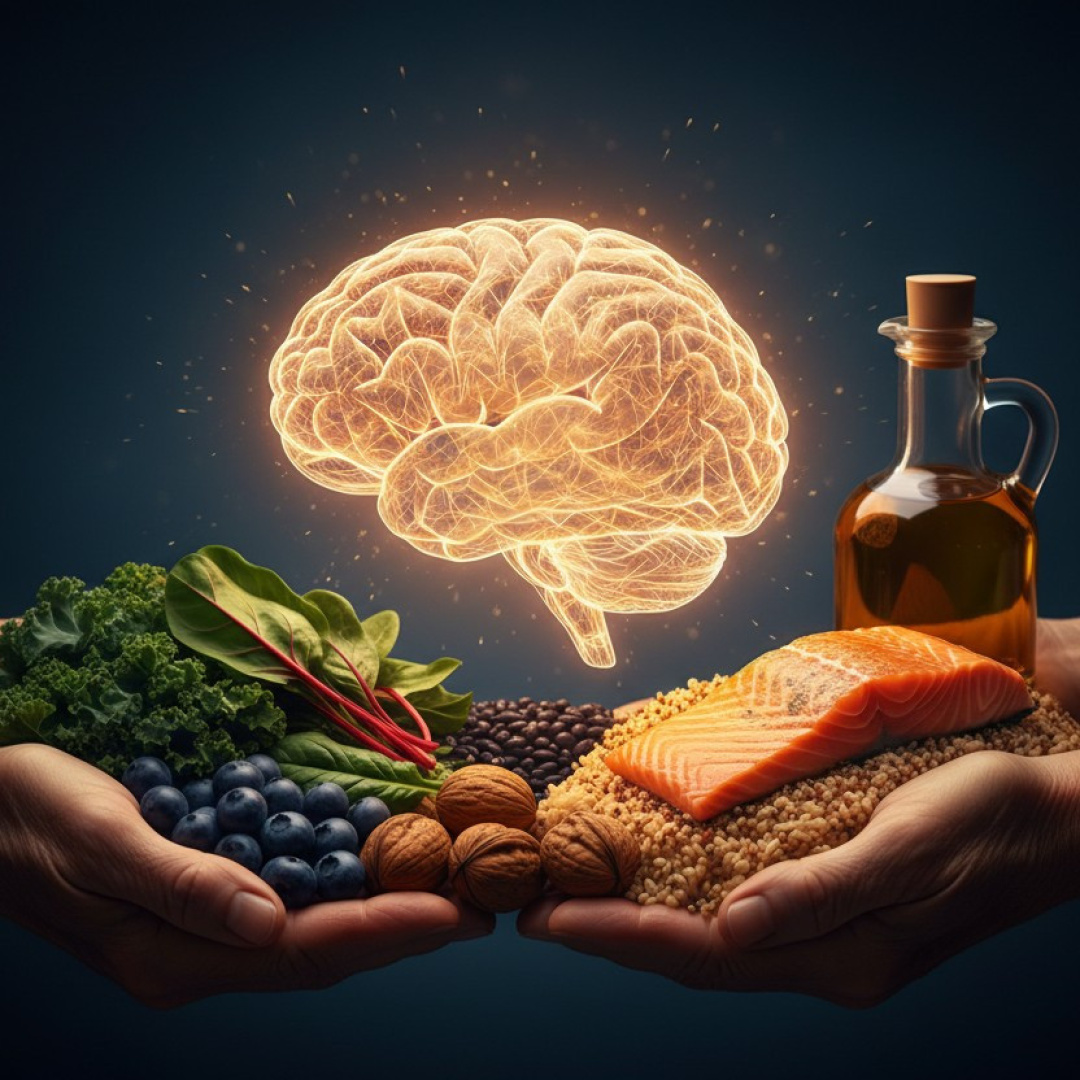
Interestingly, the study found that not all cravings pose the same risk for weight gain. Participants who followed carbohydrate-rich or fat-rich diets reported significantly stronger food cravings compared to those adhering to plant-based or protein-rich dietary patterns. This suggests that the nature of the cravings is as important as the cravings themselves.
Understanding the Emotional Impact on Eating Patterns
When cravings for highly processed, palatable foods are frequent and left unaddressed, they can alter eating patterns in ways that lead to weight gain over time. This cycle can be particularly challenging to break using willpower alone, especially for individuals over 50, where hormonal changes may heighten stress-driven hunger signals.
The research underscores the deeper connection between emotional health and eating behavior, suggesting that stress, anxiety, and depression influence weight not only through behavioral changes but also through the brain's reward system. However, it is important to note that this was a cross-sectional study relying on self-reported data, predominantly from female participants, which may limit the applicability of the findings across different populations.