Mediterranean Diet Linked to Heart and Brain Health Through Mitochondrial Proteins
A new study indicates that the Mediterranean diet may offer protective benefits for the heart and brain through a unique biological mechanism involving tiny proteins produced by mitochondria. Researchers at the USC Leonard Davis School of Gerontology found that older adults who adhered closely to the Mediterranean diet exhibited higher levels of two mitochondrial microproteins known as humanin and SHMOOSE. These proteins have been previously linked to cardiovascular health and the prevention of neurodegenerative diseases such as Alzheimer's.
The study, led by Instructional Associate Professor of Gerontology Roberto Vicinanza, provides a possible explanation for how dietary choices can impact cellular health and the aging process. "These microproteins may act as molecular messengers that translate what we eat into how our cells function and age," Vicinanza noted, highlighting a new biological pathway that underscores the Mediterranean diet's effectiveness.
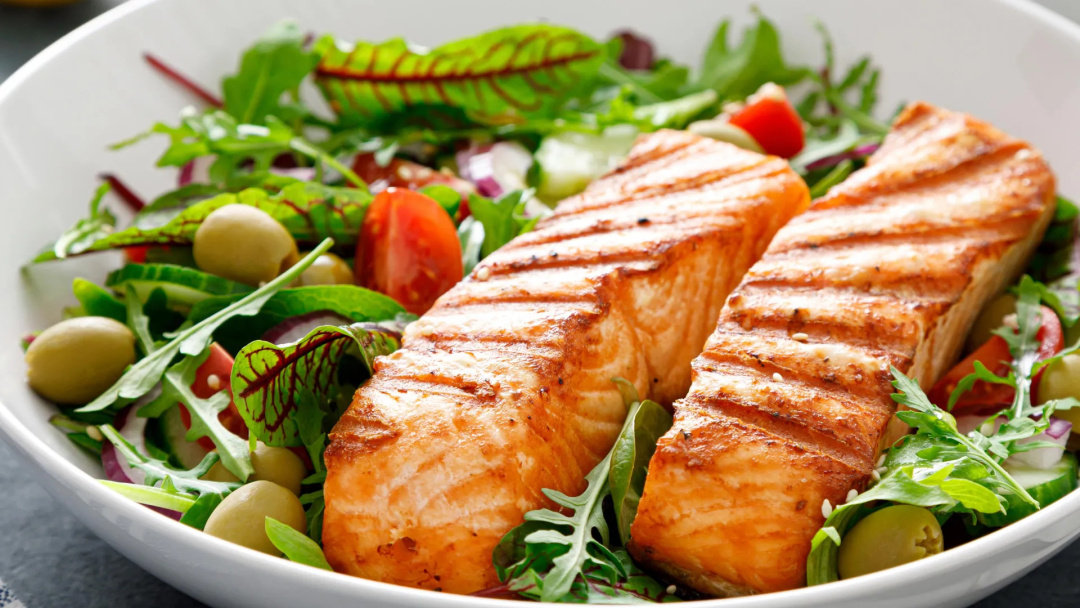
The Mediterranean diet is characterized by a high intake of foods such as olive oil, fish, beans, lentils, fruits, and vegetables. It has been consistently associated with a lower risk of heart disease, type 2 diabetes, and cognitive decline. To explore this further, the researchers analyzed blood samples from older adults with varying degrees of adherence to the Mediterranean diet. Those with eating habits closely aligned with the diet showed significantly elevated concentrations of humanin and SHMOOSE, alongside lower indicators of oxidative stress, which can damage cellular components and contribute to aging and chronic diseases.
Interestingly, specific foods within the Mediterranean diet were linked to different microproteins. Increased consumption of olive oil, fish, and legumes correlated with higher humanin levels, while higher olive oil intake and reduced refined carbohydrate consumption were associated with elevated SHMOOSE levels. Refined carbohydrates, often found in processed grains and sugars, are typically lower in fiber and essential nutrients compared to their minimally processed counterparts.
According to Pinchas Cohen, Dean of the USC Leonard Davis School and senior author of the study, these findings suggest that particular elements of the Mediterranean diet may directly influence mitochondrial biology. He posited that humanin and SHMOOSE could serve as biomarkers for adherence to the Mediterranean diet, potentially holding clinical significance for understanding dietary impacts on health.
The research team has been investigating small proteins produced by mitochondria for over two decades, recognizing their crucial role in cellular health. Mitochondria are often referred to as the powerhouses of cells, generating energy and regulating metabolism and stress responses. Unlike most proteins, mitochondrial microproteins are produced from genetic instructions within mitochondria, challenging previous assumptions about their functionality.
Humanin Takes Center Stage
Humanin, first identified in 2003, has been linked to improved insulin sensitivity and cardiovascular health, while SHMOOSE has garnered attention for its potential neuroprotective effects. A genetic variant of SHMOOSE is associated with an increased risk of Alzheimer's disease, whereas the normal variant appears to protect neurons from damage related to amyloid accumulation, a hallmark of Alzheimer's.
The researchers also discovered a notable connection between humanin and an enzyme called Nox2, which generates reactive oxygen species. While these molecules play essential roles in cell signaling, excessive production can lead to oxidative stress and tissue damage. Higher levels of humanin were correlated with reduced Nox2 activity, suggesting that humanin may help mitigate oxidative damage, thereby providing additional cardiovascular protection.
These findings propose that the Mediterranean diet supports heart health through two complementary mechanisms: by reducing oxidative stress and promoting the production of mitochondrial microproteins that influence cellular damage pathways. However, the study's observational nature means that it cannot definitively establish causation between the diet and increased microprotein levels.
Vicinanza's interest in the Mediterranean diet extends beyond its physiological effects; he actively promotes this dietary pattern globally to enhance health, cultural heritage, and environmental sustainability. His collaboration with the Municipality of Pollica in Italy, a UNESCO-recognized community for its Mediterranean diet practices, led to the establishment of the International Day of the Mediterranean Diet, celebrated annually on November 16.
Future Directions in Mediterranean Diet Research
As the researchers emphasize, while the findings are promising, they were derived from a relatively small observational study. Future research is necessary to determine whether adopting a Mediterranean-style diet can reliably increase levels of humanin and SHMOOSE and whether these changes lead to measurable improvements in cardiovascular health, brain function, or disease risk.
The ultimate goal is to transition from observing associations to understanding causality. If successful, this research could pave the way for nutritional strategies that promote healthy aging at the molecular level, leveraging the insights gained from these tiny but powerful proteins.