Four Medicinal Plants Show Potential for Supporting Blood Sugar Control
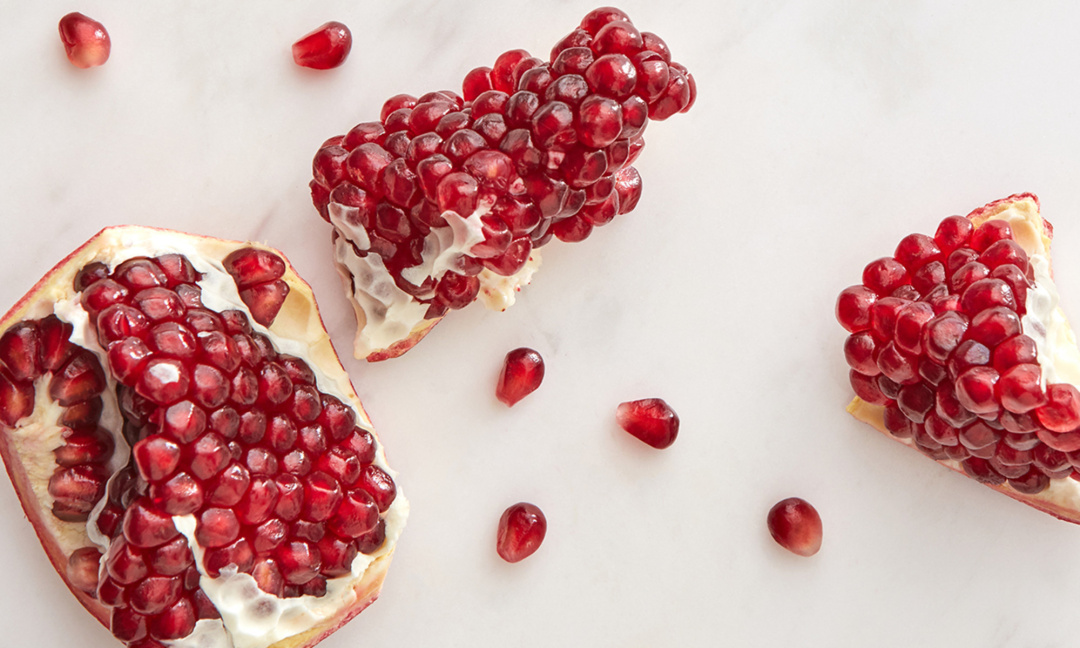
Diabetes is a growing global concern, affecting over 589 million adults, prompting interest in natural remedies alongside conventional treatments. A recent review analyzed more than 1,000 studies, focusing on 54 that provided experimental evidence of how specific plants interact with blood sugar regulation. From this analysis, four plants were highlighted for their potential benefits: gymnema (Gymnema sylvestre), white mulberry (Morus alba), red ginseng (Panax ginseng), and pomegranate (Punica granatum). These plants were chosen based on the strength and consistency of the evidence supporting their effects on blood sugar levels. It is important to note that all studies included in the review were conducted in laboratory settings or on animal subjects, indicating that further research is necessary to establish their efficacy in humans. The four plants identified work through multiple biological pathways, which enhances their potential impact on blood sugar management. While the evidence is promising, the strongest foundation for maintaining healthy blood sugar levels remains a balanced diet rich in whole foods, including fiber, lean proteins, and antioxidant-rich plant foods. Many of the highlighted plants are already common in diets or can be easily incorporated into meals. Research continues to support the health benefits of flavonoids and polyphenols found in colorful plant foods, reinforcing the importance of obtaining nutrients from natural sources before considering supplements. Overall, while these four medicinal plants show promise for supporting blood sugar control, human trials are essential to validate these findings and ensure safety and effectiveness in real-world applications.