Four Key Strategies to Preserve Muscle Health as You Age

Maintaining muscle strength is crucial for performing daily tasks, from lifting groceries to standing up from a chair. However, as we age, muscle loss can make these activities more challenging. A comprehensive review published in The Journal of Nutrition examined 248 studies to identify effective strategies for preserving muscle health in older adults. The review highlights four key approaches that can be integrated into daily routines to support muscle strength over time.
Sarcopenia, the age-related decline in muscle mass and strength, affects an estimated 6% to 22% of adults aged 65 and older. This condition can increase the risk of falls and disability, making it essential to adopt preventive measures. The researchers focused on studies involving adults aged 60 and older, analyzing individual nutrients, dietary patterns, and gut health interventions.
Among the findings, protein emerged as a critical factor in muscle preservation. In randomized controlled trials assessing individual nutrients, 84% indicated a positive effect of protein, particularly when combined with leucine—an amino acid that stimulates muscle protein synthesis—and vitamin D at doses of 800 IU or more. Additionally, dietary patterns and gut health interventions showed promise, with 75% and 78% of their respective trials reporting beneficial outcomes. However, these figures were lower when observational studies were included alongside clinical trials.
Observational research linked diets such as the Mediterranean and MIND-style diets, higher-quality protein sources, and increased fiber intake to lower rates of sarcopenia. While gut health interventions yielded inconsistent results, some studies suggested that changes in gut bacteria and their byproducts could positively influence muscle health.
The Role of Protein
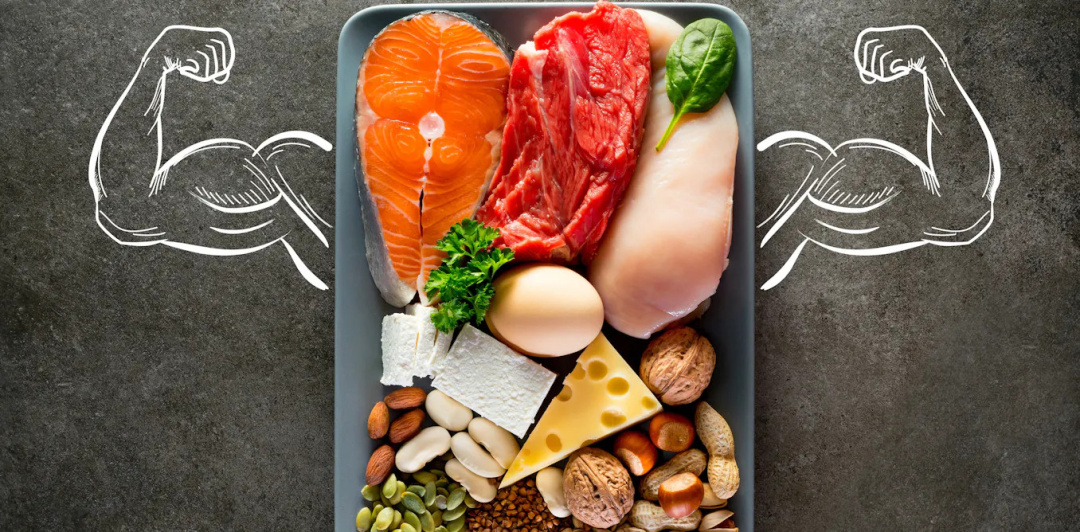
The review emphasized the importance of adequate protein intake, recommending a daily target of 0.4 to 0.5 grams per pound of body weight. For instance, an individual weighing 150 pounds should aim for approximately 68 to 82 grams of protein daily. This protein intake, paired with resistance training, is vital for maintaining and repairing muscle tissue. Furthermore, addressing vitamin D deficiency, when present, can enhance muscle health.
Emphasizing a Holistic Approach to Muscle Health
A Mediterranean-style eating pattern can complement these strategies, promoting overall health and muscle preservation. While much of the evidence supporting this dietary approach comes from observational studies, which can identify associations but not causation, the findings underscore the potential benefits of a balanced diet rich in nutrients.
In summary, preserving muscle strength as we age involves more than just one specific food or supplement. By focusing on protein intake, engaging in resistance training, ensuring adequate vitamin D levels, and adopting a Mediterranean-style diet, individuals can create a robust foundation for healthy aging and muscle maintenance.