Meta-Analysis Reveals Link Between Lower Brain Choline Levels and Anxiety Disorders
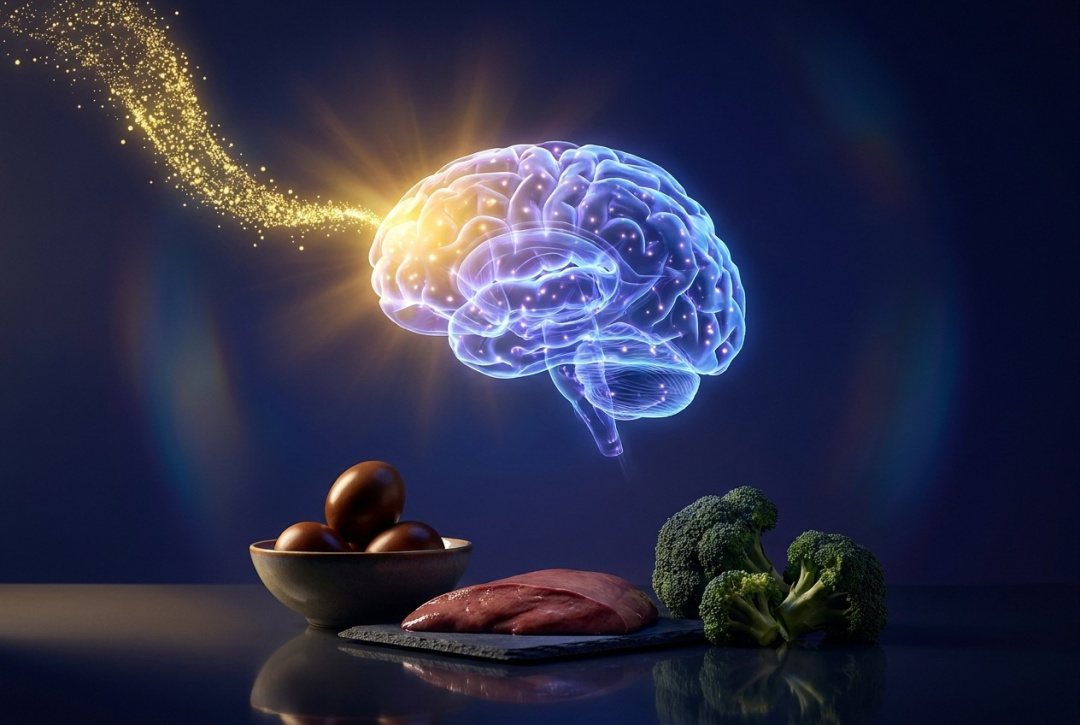
A new meta-analysis published in Molecular Psychiatry has found that individuals with anxiety disorders exhibit lower concentrations of choline-containing compounds in the cortex of the brain compared to healthy individuals. Specifically, the study indicated that those suffering from generalized anxiety disorder, panic disorder, and social anxiety disorder have choline levels that are approximately 8% lower. However, the authors of the study emphasize that these findings do not imply that low choline levels cause anxiety or that increasing choline intake would alleviate anxiety symptoms.
The researchers conducted a thorough review of human studies that utilized proton magnetic resonance spectroscopy (1H-MRS), a sophisticated imaging technique that allows for the measurement of specific chemicals within living brain tissue. Choline plays a critical role in various brain functions, including cell membrane turnover and neurotransmitter synthesis, which are essential for maintaining healthy brain activity.
Choline is recognized for its numerous roles in human metabolism, contributing to cell structure, neurotransmitter synthesis, and lipid transport. It is particularly crucial during fetal development, where it aids in brain and memory formation and can help reduce the risk of neural tube defects. Despite its importance, choline is often overlooked in dietary discussions, with a 2020 report from the Dietary Guidelines Advisory Committee indicating that most Americans do not consume adequate amounts of this vital nutrient.
The study authors suggested that the observed differences in choline levels may be linked to the biochemical changes associated with anxiety. Chronic stress and a heightened state of alertness could potentially lead to increased choline utilization or disrupt its recycling within the brain. Stress hormones and other chemical signals involved in the body's response to stress may influence how choline is metabolized.
Caution Against Overinterpreting the Findings of Nutritional Research
While the findings of this meta-analysis contribute to a growing body of research connecting nutrition and mental health, the authors caution against jumping to conclusions about causation. They note that the studies included in the meta-analysis varied significantly in their methodologies, sample sizes, and the specific brain regions examined, which could impact the results.
Navigating the Future of Nutrition and Mental Health Research
Experts in the field of mental health have called for more research to explore the implications of these findings further. They stress the importance of a nutrient-rich diet and suggest that overall dietary patterns may be more beneficial for mental health than focusing solely on specific nutrients or supplements. Mainstream mental health organizations recommend consulting healthcare providers before considering any supplements for anxiety, emphasizing the need for more definitive evidence before making dietary recommendations based on these findings.
This meta-analysis adds to the ongoing discourse about the relationship between nutrition and mental health, highlighting the potential role of micronutrients in influencing behavioral health disorders. As research in nutritional psychiatry continues to evolve, understanding the impact of dietary patterns on mental well-being remains a priority for both researchers and healthcare practitioners.