Study Finds Promising Fiber Blend for Managing IBS Symptoms

For individuals with irritable bowel syndrome (IBS), incorporating fiber into the diet can often feel uncertain. While a low FODMAP diet is known to alleviate symptoms like bloating and gas, it can also limit the intake of certain carbohydrates that nourish beneficial gut bacteria. This creates a challenge for those looking to increase their fiber consumption without triggering digestive issues.
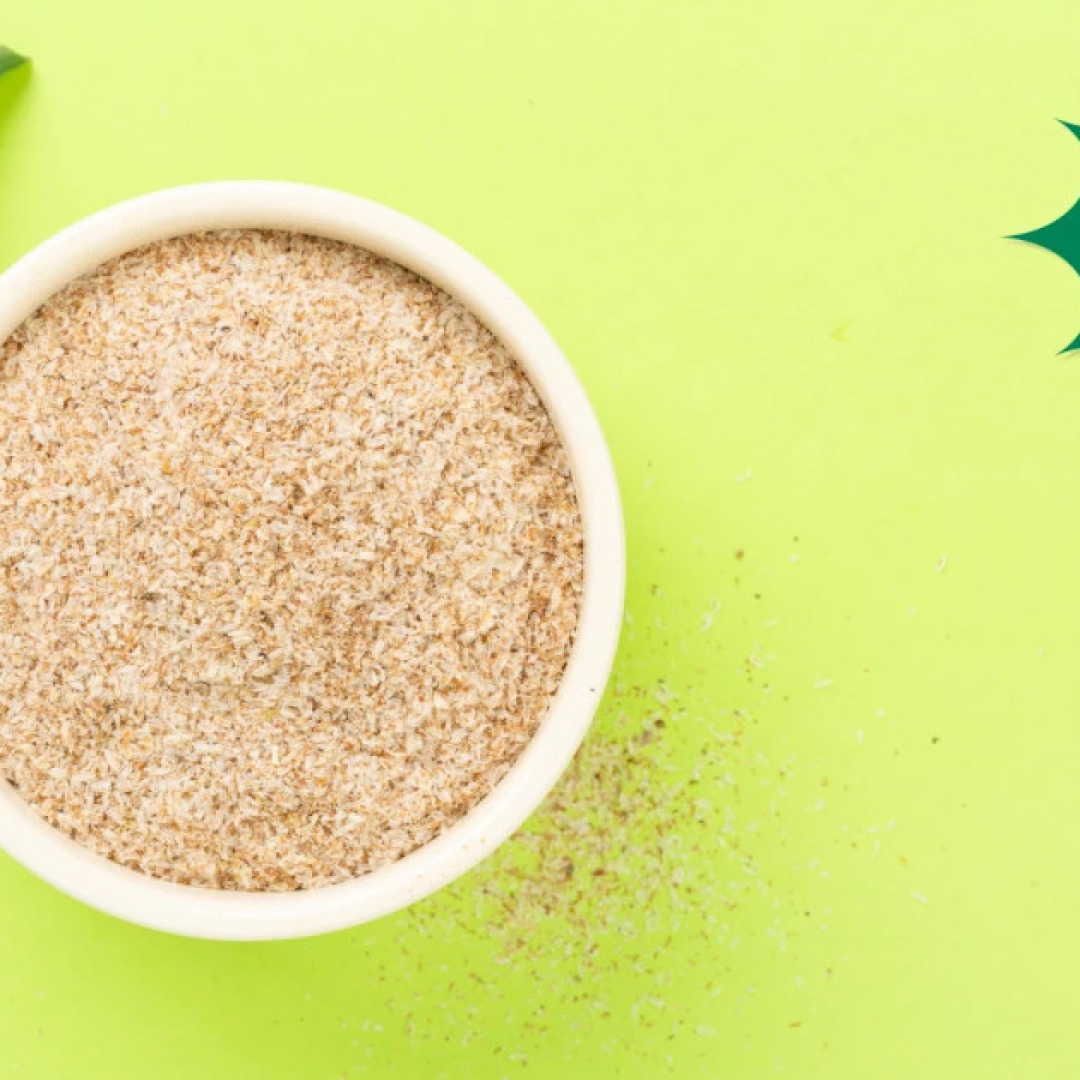
In a recent pilot study, researchers investigated whether a specific blend of fibers could assist those with IBS who were already adhering to a low FODMAP diet. The trial involved two types of fiber: resistant starch, which is largely undigested until it reaches the large intestine and serves as food for gut bacteria, and psyllium husk, known for its ability to absorb water and help regulate bowel movements.
Participants in the study had been following a low FODMAP diet for at least a month and were randomly assigned to receive either the fiber blend or a placebo containing maize flour and psyllium husk. Over the course of 11 days, both groups gradually increased their daily fiber intake from 5 grams to 40 grams.
After three weeks, 26 participants completed the trial. Those who consumed the fiber blend not only increased their resistant starch intake but also achieved recommended levels of total fiber intake, which can be difficult on a restrictive diet. Notably, the researchers observed changes in the gut microbiome of participants in the fiber blend group, with increases in two specific bacteria: Ruminococcus E and Prevotella. Almost all participants taking the fiber blend experienced a rise in Ruminococcus E levels, which plays a role in breaking down resistant starch and supporting other gut microbes that produce butyrate, a compound essential for maintaining the gut lining.
Exploring the Balance Between Symptom Relief and Gut Health
Additionally, participants reported reduced anxiety regarding their digestive symptoms. Importantly, the severity of IBS symptoms remained stable throughout the trial, along with sleep quality and overall diet quality. The fiber blend did not appear to trigger the symptoms that participants were managing with their low FODMAP diets.
The low FODMAP diet restricts certain carbohydrates that can ferment in the gut, leading to discomfort, but some of these carbohydrates also support beneficial gut bacteria. For individuals managing IBS over the long term, finding a balance between symptom relief and gut health is crucial. The combination of resistant starch and psyllium husk may help achieve this balance, as psyllium could facilitate the delivery of resistant starch to the large intestine before fermentation occurs, potentially enhancing tolerance.
Navigating Fiber Intake for IBS Management
However, the study did not confirm this mechanism, and further research is necessary to fully understand how these two fibers interact. It is important to note that increasing fiber intake is not a one-size-fits-all solution for those with IBS. The type of fiber, the amount consumed, and the pace of increase can all influence gut responses.
This early research indicates that pairing resistant starch with psyllium may provide a pathway for individuals with IBS to increase their fiber intake without compromising their digestive health. While the findings are promising, it is essential for individuals to consult with their dietitian to tailor their approach to fiber consumption based on their unique gut health needs.