Halloween Excitement, Not Sugar, Drives Kids' Energy Levels
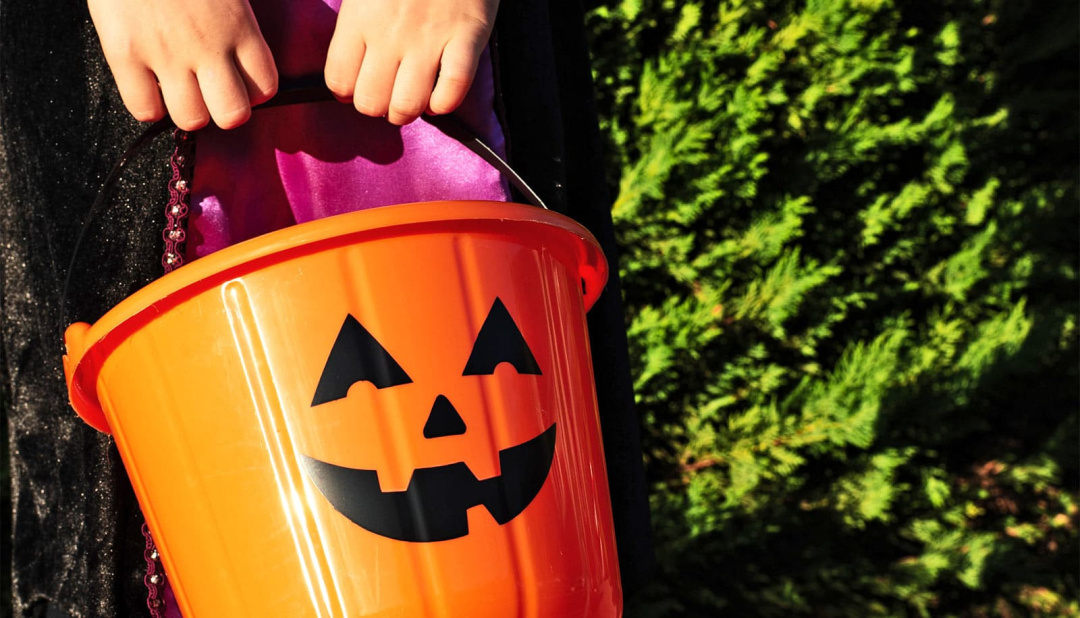
When children indulge in Halloween candy and appear to be bursting with energy, it might be easy to attribute this behavior to sugar. However, experts indicate that the excitement of Halloween itself plays a significant role in this phenomenon. According to Stephen Cook, a pediatrician at the University of Rochester Medicine Golisano Children’s Hospital, the thrill of dressing up, running around the neighborhood, and gathering treats can create an emotional experience that mimics hyperactivity, even if sugar is not the primary cause.
Research has yet to conclusively prove that sugar alone leads to hyperactivity in children. In fact, parental expectations can influence perceptions of children's behavior. If parents anticipate that candy will make their children hyperactive, they may be more likely to notice and connect energetic behavior to candy consumption. Furthermore, sugar is not only found in sweets; many processed foods contain carbohydrates that convert to glucose during digestion, yet these foods are not typically associated with a 'sugar rush.'
As Halloween approaches, it is essential to consider the broader context of children's diets. While enjoying candy occasionally is acceptable, the primary concern arises when sugary or processed foods replace more nutritious options like fruits, vegetables, and proteins. Over time, this shift can increase the risk of nutritional deficiencies and health issues. Cook emphasizes the importance of moderation, suggesting that instead of labeling foods as 'good' or 'bad,' it is more beneficial to evaluate a child's overall eating patterns.
Encouraging a Balanced Approach to Treats During Halloween
Rather than banning sweets altogether, parents can encourage a balanced approach to treats. Cook notes that sugar-free alternatives do not automatically equate to healthier options, as they may simply substitute sugar with other sweeteners that are equally processed. Instead of seeking 'better' versions of candy, it is advisable to maintain perspective on sweets as occasional indulgences within a diet rich in nutritious foods.
Navigating Halloween Treats with Healthy Eating in Mind
Some studies have examined the impact of artificial food colors on children's behavior, yet there is no definitive evidence linking specific dyes, such as Red 40, to hyperactivity. Individual sensitivities may exist, but true allergic reactions to food dyes are rare. Parents who observe consistent behavioral changes following the consumption of certain foods should consult with their child's doctor for guidance.
Ultimately, parents do not need to choose between allowing their children to enjoy Halloween and promoting healthy eating habits. By returning to regular meals and snacks after the holiday, families can help children learn to appreciate sweets without letting them dominate their diets.