Grocery Price Comparison: Finland's Lidl Basket Cheaper Than Estonia and Sweden
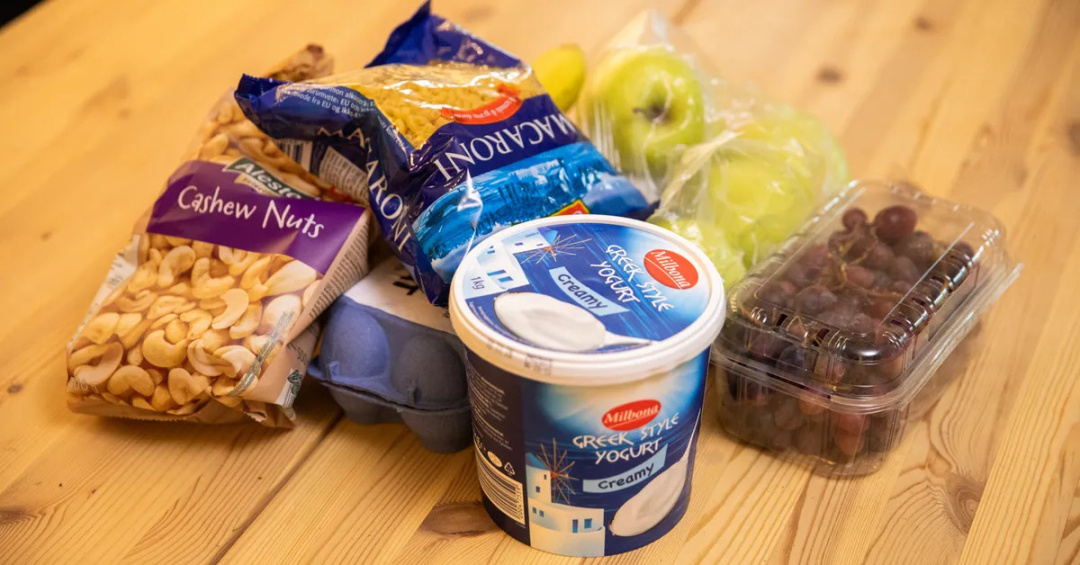
A recent price comparison of grocery items across various countries has revealed that a shopping basket in Lidl stores in Helsinki is cheaper than in both Tallinn and Stockholm. This analysis, conducted by Yle, included a selection of thirty staple items from Lidl, the only grocery chain with locations in Finland and other European nations. While Finland has historically been viewed as an expensive country for groceries, this perception is beginning to change. Once known for its low prices, Tallinn has seen its grocery costs rise, now matching those in Helsinki.
The findings indicate that while food prices in Finland remain higher than the European average, the gap has decreased in recent years. In this comparison, the grocery basket costs were roughly equivalent in Helsinki, Stockholm, and Tallinn. The variations in prices can be attributed to several factors, including taxation, wage levels, transport costs, and the competitive landscape among retailers. Notably, food inflation has significantly impacted pricing in recent years, with Estonia experiencing one of the highest rates of food price increases in the eurozone in 2022, at over 19 percent.
Despite these increases, Eurostat data shows that Finland's food prices were lower than those in Estonia and other Nordic countries last year. The differences in grocery prices between Finland and Estonia can largely be explained by the disparity in wages and taxes. For instance, the value-added tax on food in Estonia is 24 percent, compared to 13.5 percent in Finland, which contributes to higher prices in Estonia.
Finnish consumers tend to prefer domestic products, particularly in the meat category, where Lidl offers a variety of Finnish meats to meet local demand. In contrast, Estonian consumers are more inclined to purchase imported products, often sourced from countries like Poland, where production costs are lower. This preference for local products can influence pricing and availability in both markets.
Comparing Vegetable Prices Across Borders
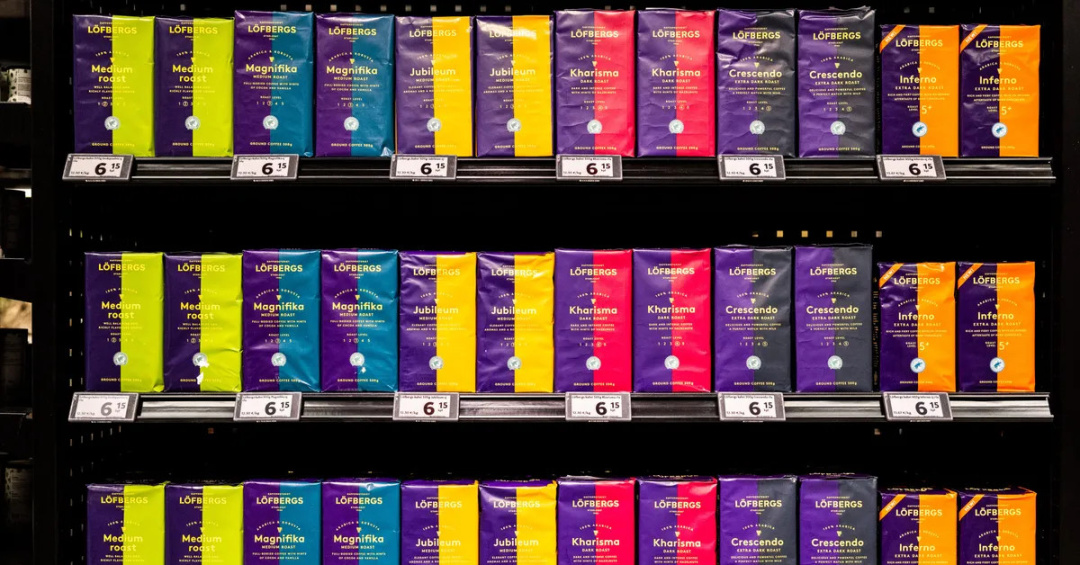
Vegetables in Finland are notably more expensive, sometimes up to 20 percent higher than the EU average, largely due to transport costs and the expenses associated with domestic production, such as heating and lighting greenhouses. Conversely, items like coffee are cheaper in Finland, which retailers use as a strategy to attract customers, alongside competitive pricing on cheese and sweets.
Factors Influencing Grocery Prices
In Finland, Lidl closely monitors the pricing strategies of its competitors, particularly the S Group. If rival stores charge more for similar products, Lidl may not feel the need to lower its prices to compete with those in other countries. As the economic landscape continues to evolve, an increasing number of people in Finland are turning to food aid, reflecting the broader challenges faced by consumers in managing their grocery budgets.
The interplay of various factors such as inflation, taxation, and consumer preferences significantly influences grocery prices across Europe. As food inflation continues to rise, understanding these dynamics becomes crucial for consumers making informed grocery decisions. The comparison of prices in Lidl stores across different countries illustrates the complexities of food pricing and the importance of local economic conditions in shaping consumer experiences. As Finland's grocery landscape adapts to these changes, shoppers may find new opportunities to navigate their food choices more effectively, balancing cost and quality in their everyday meals.