DASH Diet Linked to Lower Odds of Depressive Symptoms in Adults
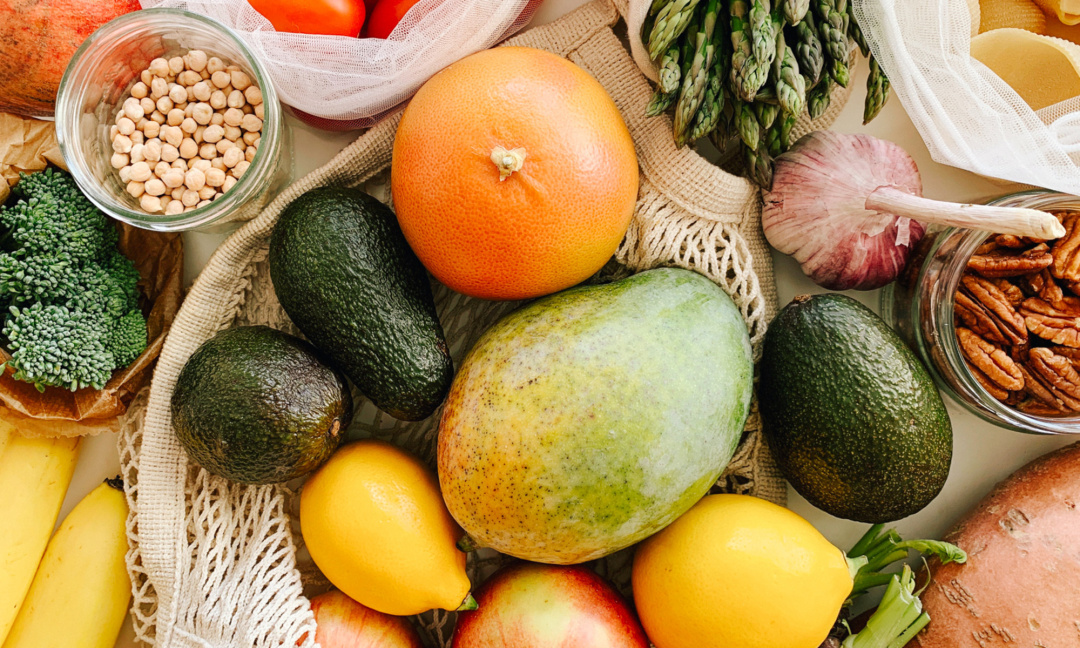
Research indicates that our dietary choices can significantly affect not only our physical health but also our mental well-being. A recent study has explored the connection between the DASH diet, which is designed to help lower blood pressure, and depressive symptoms among adults. The DASH diet emphasizes the consumption of fruits, vegetables, whole grains, low-fat dairy, and lean proteins while limiting sodium intake.
In this study, researchers analyzed food questionnaires from 3,465 adults in China to assess how closely their eating habits aligned with the DASH diet. Participants also completed a questionnaire screening for depressive symptoms, with approximately 13.3% of them screening positive for such symptoms. The researchers took into account various factors, including age, sex, body weight, education, and physical activity, to determine whether the relationship between diet and depressive symptoms persisted.
The findings revealed that adults who adhered more closely to the DASH diet exhibited lower odds of experiencing depressive symptoms, even after adjusting for other health and lifestyle factors. However, this association was not linear; while higher adherence to the DASH diet initially correlated with lower depressive symptoms, the relationship weakened after reaching a certain threshold of adherence, eventually becoming statistically insignificant.
This exploratory pattern suggests that while the DASH diet may have some benefits for mental health, it does not imply a one-size-fits-all approach. The researchers emphasized that further studies are necessary to validate these findings across different populations.
Exploring Possible Mechanisms Behind the DASH Diet's Benefits
A few potential explanations for the observed association were suggested, although they were not directly tested in this study. One possibility is that the anti-inflammatory properties of fruits, vegetables, and whole grains could play a role, as inflammation has been linked to depression in previous research. Additionally, the gut-brain axis may be involved, as fiber-rich foods support beneficial gut microbes that communicate with the brain. Lastly, individuals who follow balanced diets may also engage in other positive lifestyle habits, such as regular physical activity, which can further enhance their overall well-being.
Understanding the Limitations of the Study's Findings
Importantly, the study's design only measured dietary habits and depressive symptoms at a single point in time, making it impossible to determine which came first. It's also worth noting that depressive symptoms can complicate healthy eating habits, influenced by various factors such as genetics, life circumstances, sleep quality, and access to mental health care.
Incorporating elements of the DASH diet into your meals doesn't require a complete overhaul of your current eating patterns. Simple adjustments, like adding more fruits and vegetables to your favorite dishes, can contribute to both heart health and potentially improve mood. While the DASH diet may be linked to lower odds of depressive symptoms, it is not a substitute for professional mental health care. Therefore, consider this dietary approach as an additional strategy to enhance your overall health and well-being.