Navigating Holistic and Fitness Nutrition for Effective Weight Management
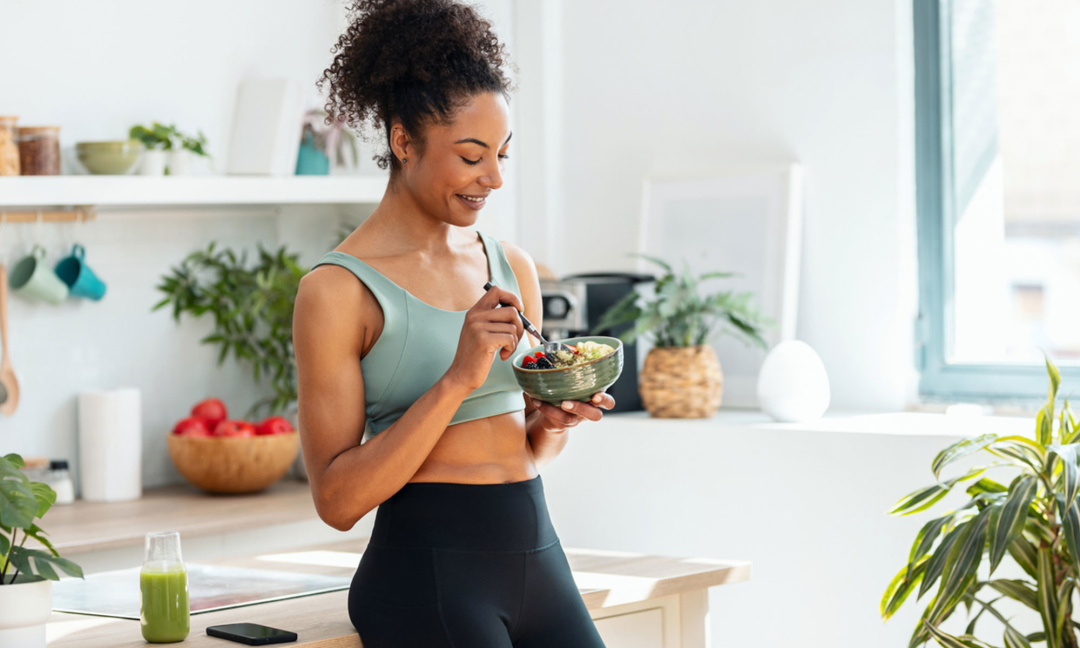
Many individuals strive to eat healthily, opting for organic foods and avoiding processed options. They are aware of the nutritional differences between fats, loading their plates with avocados, cooking with olive oil, and choosing Brazil nuts over chips. However, despite these efforts, many find themselves frustrated by a lack of results in their health journey. This disconnect often stems from a misunderstanding of the difference between eating healthily and eating for specific health goals, particularly fat loss.
Ashley Damaj, a board-certified behavior analyst and nutritionist, illustrates this concept by describing two diverging paths in nutrition: holistic nutrition and fitness nutrition. Holistic nutrition focuses on the quality of food, emphasizing the benefits of avocados for their healthy fats and fiber, and prioritizing organic sourcing and micronutrients. This approach is popular among those who prioritize wellness without necessarily tracking their food intake.
Conversely, fitness nutrition is more concerned with the quantitative aspects of food consumption. It emphasizes the importance of caloric intake and macronutrient distribution—how much protein, carbohydrates, and fats are consumed—over the source of those calories. This approach often leads to a focus on meeting macro goals, sometimes at the expense of food quality.
The challenge arises when individuals lean too heavily toward one of these paths. Damaj suggests that a balance is necessary to optimize health outcomes. Eating clean does not equate to effective fat loss, a sentiment echoed by Dr. Ana Kausel, a board-certified endocrinologist. She often sees patients who eat healthily but struggle with body composition changes. The key takeaway is that fat loss requires an energy deficit; the body must burn more calories than it consumes. Without this deficit, the body has no reason to utilize stored fat, regardless of the healthiness of the meals.
Dr. Kausel emphasizes that both food quality and caloric awareness are essential. Whole foods rich in fiber and micronutrients contribute to satiety and overall health, but they must be consumed in a way that aligns with energy balance goals. Healthy foods can be calorically dense, particularly those high in fat, which contains nine calories per gram compared to four calories per gram for protein and carbohydrates. This means that even nutritious foods can lead to excessive caloric intake if portion sizes are not managed.
Balancing Protein and Healthy Fats for Optimal Body Composition
For example, many women may consume large amounts of healthy fats from nuts or oils while not prioritizing protein intake, which can hinder their body recomposition goals. Dr. Kausel shares her own experience of balancing protein and fat in her diet. By focusing on lean protein sources and being mindful of fat intake, she was able to achieve better body composition results.
A practical example of combining both philosophies comes from Dr. Vonda Wright, an orthopedic surgeon. She prepares a breakfast of egg whites and avocado on sourdough bread, strategically choosing to meet her protein goals while managing fat intake. This approach exemplifies how one can enjoy whole, nutrient-dense foods while being aware of macronutrient distribution.
Integrating Holistic and Fitness Nutrition for Lasting Results
Tracking food intake can provide valuable insights into personal nutrition, but it should not be viewed as a lifelong obligation. Instead, it can serve as a tool for understanding how to fuel the body effectively. The ultimate goal is to achieve better satiety, improved performance, and consistent fat loss while reducing anxiety around food choices.
In summary, neither holistic nor fitness nutrition is inherently wrong; they each offer valuable insights. The most effective approach involves integrating both philosophies: prioritizing whole foods, ensuring adequate protein intake, and maintaining a mindful awareness of caloric balance. As Damaj aptly puts it, "We can draw a line in the middle," where the best results lie.