The Cost of High-Protein Foods in Ireland: Are They Worth It?
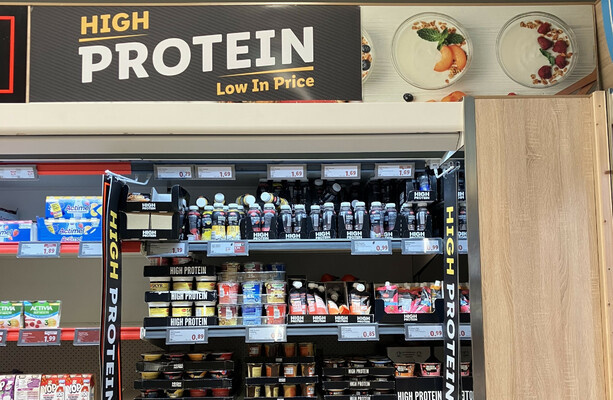
In recent years, the demand for high-protein foods has surged, leading to a variety of products flooding the market. From protein-infused snacks to protein-rich dairy options, consumers are often faced with the question: are these high-protein products worth the extra cost? A recent analysis of high-protein items available in Irish shops reveals significant price markups compared to their regular counterparts, raising concerns about consumer spending and dietary needs.
For instance, a small protein latte at Insomnia costs €4.80, while a regular latte is priced at €4.20, marking a 14% increase for the protein version. Similarly, high-protein yogurt from Clonakilty is priced at €2.29 for 350g, whereas a kilogram of Lidl's own-brand natural yogurt costs only 85 cents. This trend continues across various products, with an average markup of 31% per 100g or 100ml when comparing high-protein versions to standard options.
The most notable price increase was found in Müller rice vanilla, where the protein variant was 74% more expensive than the regular one. Interestingly, some products, like Babybel and Philadelphia cheese, showed no price difference between their high-protein and standard versions. However, the most striking example of price inflation was Avonmore protein milk, which costs €2.59 per liter, a staggering 62.5% more than regular whole milk, despite offering similar protein content.
The marketing of these high-protein products seems to target younger adults, particularly those interested in fitness and muscle building. Influencers and food companies have capitalized on the perception that protein is synonymous with health, often promoting higher protein intake than what is recommended by health guidelines. This has led to a proliferation of protein products that may not necessarily be beneficial for the average consumer.
Dietitian Sandra Wilkinson from the Irish Nutrition and Dietetics Institute emphasizes the importance of assessing food products holistically. She points out that while protein is essential, most adults already meet their protein requirements through regular food consumption. The current guideline suggests that a healthy adult should consume about 0.83g of protein per kilogram of body weight, yet many are consuming between 1-1.2g, which is sufficient for most.
Evaluating the True Health Benefits of High-Protein Foods
Moreover, Wilkinson warns that added protein products can sometimes mask unhealthy ingredients, such as high sugar content in granola bars with added protein. For example, Nature Valley's protein granola bars are marked up by 50% compared to their regular counterparts, despite not necessarily being healthier.
The marketing push for high-protein foods may appeal more to younger generations, but older adults, particularly those over 65, could benefit more from these products due to their increased protein needs relative to body weight. However, the broader public health concern remains that many people are not getting enough dietary fiber, which is crucial for overall health.
Navigating the Marketing of High-Protein Products
As the food industry continues to promote protein-heavy products, it raises questions about consumer awareness and the impact of marketing on dietary choices. While high-protein foods can be beneficial for certain populations, it is essential for consumers to evaluate their actual dietary needs and the nutritional value of the products they choose to purchase. The trend of viewing protein as an isolated nutrient rather than part of a balanced diet may lead to misguided purchasing decisions, ultimately benefiting food companies more than consumers.
In conclusion, while high-protein foods are marketed as healthier options, consumers should approach these products with caution. Understanding the actual protein needs and the nutritional content of these products can help individuals make informed choices, ensuring that they are not overspending on items that may not provide the benefits they expect.