FSAI Issues Dietary Guidelines for Adolescents, Cautions Against Plant-Based Dairy

The Food Safety Authority of Ireland (FSAI) has issued its first scientific report detailing dietary guidelines specifically for adolescents aged between 9 and 18 years. This report, developed by the FSAI's Scientific Committee, highlights several key recommendations regarding nutrition during these critical developmental years.
One of the main points of the report is the caution against the use of plant-based dairy replacement foods and drinks for adolescents. The FSAI states that these alternatives are not recommended due to their inadequate nutritional composition. For adolescents who are lactose intolerant and require dairy substitutes, the report suggests that calcium-fortified soya beverages, such as soya milk, are a better option for males, while females should opt for brands fortified with both calcium and iodine.
The FSAI also notes that despite a general trend towards reduced meat consumption, adolescents can easily meet their protein requirements without the need for protein powders, shakes, or supplementary drinks. The report emphasizes that protein needs can be met through a varied diet, which is crucial for adolescents who have high energy and nutritional requirements.
The report indicates that adolescents often have substantial food requirements, with some dietary patterns modeled exceeding 3,000 kilocalories per day. Carbohydrate-rich foods, including cereals, breads, potatoes, pasta, and rice, are highlighted as essential for providing the necessary calories to support physical activity. The FSAI recommends that adolescents consume an average of six to ten servings of these carbohydrate foods each day, with some requiring up to thirteen servings.
FSAI's Recommendations for Calcium and Omega-3 Intake in Adolescents
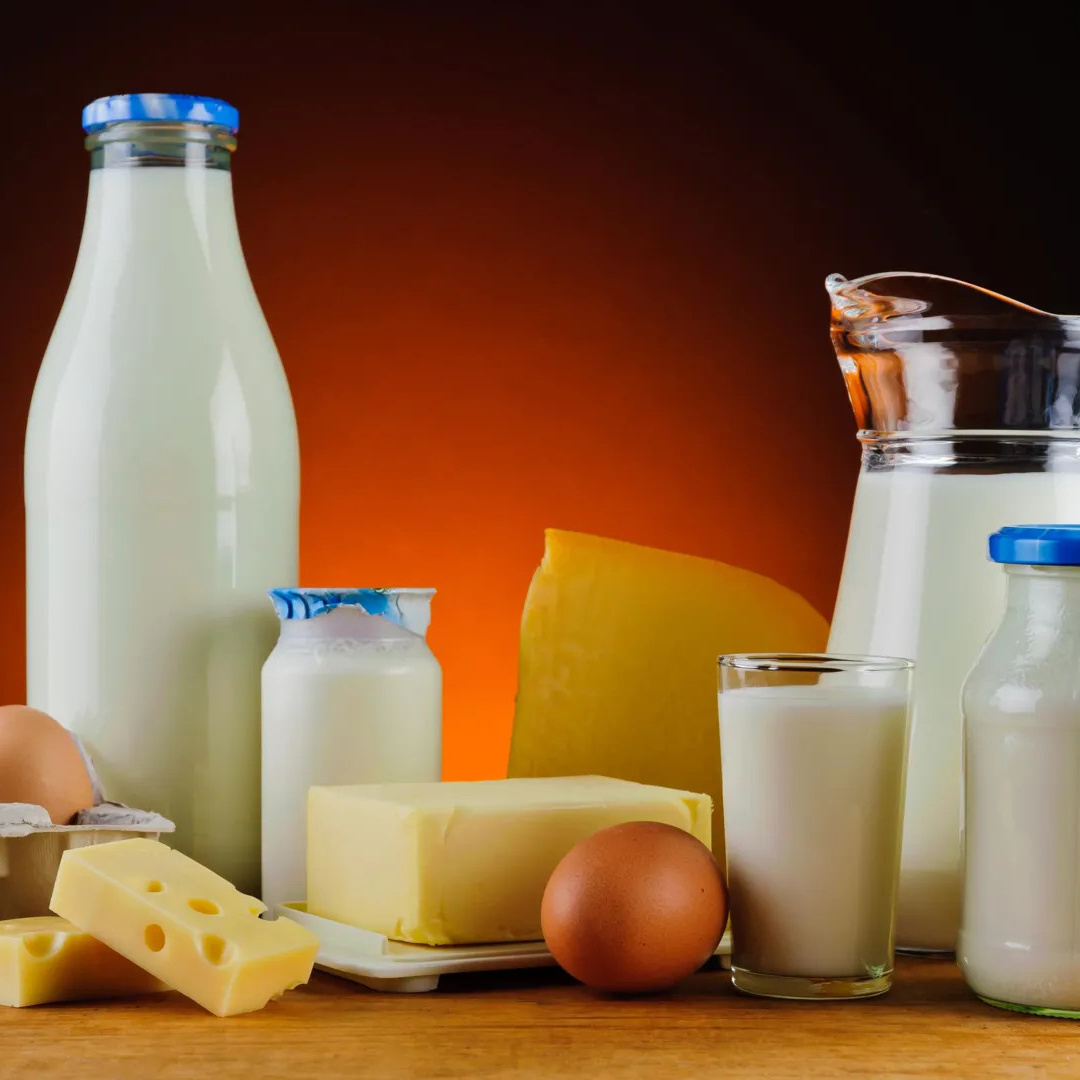
To ensure adequate calcium intake, the FSAI advises that adolescents should aim for four to five servings per day from the milk, yogurt, and cheese food group. Additionally, the report recommends consuming oily fish at least once a week to improve the intake of omega-3 fatty acids, DHA and EPA, which can be challenging to achieve through diet alone.
Furthermore, the FSAI suggests that all adolescents should consider taking a vitamin D supplement, with the required amount varying based on individual factors such as age, ethnicity, and seasonal changes.
Understanding the Importance of Nutrition During Adolescence
Greg Dempsey, the chief executive of the FSAI, stated that these dietary recommendations are designed to align with the current food habits of adolescents in Ireland, while also considering the principles of environmental sustainability. Prof. Kevin Cashman, chair of the FSAI Public Health Nutrition Subcommittee during the report's development, emphasized the importance of this life stage for nutritional needs, noting that adolescents lay down a significant portion of their bone mass during these years, which is crucial for preventing osteoporosis later in life. He also pointed out that there is considerable variation in nutritional needs among adolescents, even those of the same age.
The full report is accessible for those interested in a more comprehensive understanding of the dietary guidelines and recommendations for adolescents.