Dariush Mozaffarian's Three-Tier Framework for Healthful Eating
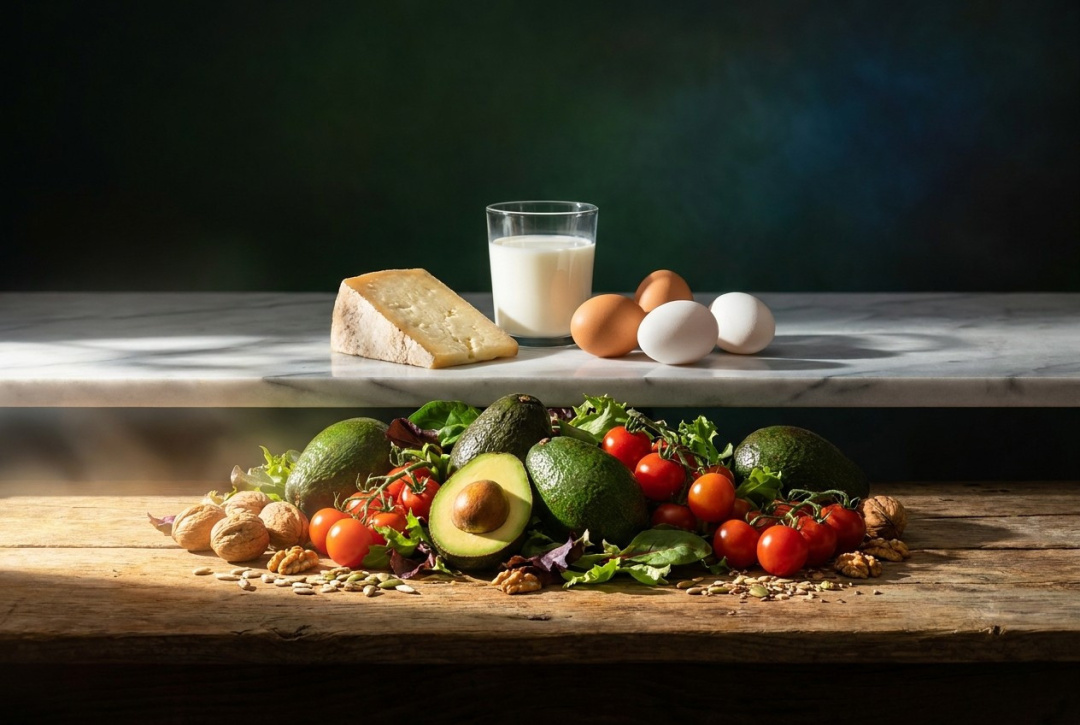
Dariush Mozaffarian, MD, DrPH, a physician and nutrition scientist, has outlined a three-tier framework for healthful eating in his book "Food Is Medicine," published by Henry Holt. This framework encourages individuals to consider foods along a spectrum rather than solely focusing on what to avoid, placing nourishment at the center of healthy eating.
Mozaffarian categorizes foods into three distinct tiers. The top tier consists of protective foods, which include fruits, nuts, seeds, vegetables, beans, whole grains, plant oils, fish, and yogurt. He describes these foods as 'foods that give rise to life,' noting their role in nurturing seedlings and benefiting human health. Notably, many vegetables in this category are botanically classified as fruits due to their seed content, including tomatoes, cucumbers, bell peppers, zucchini, eggplant, avocado, olives, okra, and pumpkin. These foods have evolved over millions of years to provide essential nutrients for both plants and humans.
This classification aligns with a broad consensus among experts that plant-forward eating patterns are linked to improved health outcomes. For instance, Harvard's Nutrition Source advocates for a diet rich in vegetables, fruits, whole grains, healthy fats, and proteins, while the CDC emphasizes the importance of whole, nutrient-dense foods.
The middle tier comprises minimally processed animal products such as cheese, poultry, milk, eggs, butter, and unprocessed red meat. Mozaffarian acknowledges that while these foods contain important nutrients, they lack the same wealth of bioactive compounds found in the top-tier foods. He notes that cheese, as a fermented product, offers greater nutritional value, whereas unprocessed red meat is positioned lower within this tier due to its potential inflammatory and carcinogenic risks that must be balanced against its benefits.
At the bottom tier, Mozaffarian places sweetened beverages, processed meats, and other ultra-processed products that contain refined grains, starches, salt, and chemical additives. These items are prevalent in contemporary diets and include fast food, candy, potato chips, sugary cereals, and many refined breads and cereals. This tiering of ultra-processed foods reflects broader public health messaging, with the CDC advocating for dietary choices that prioritize whole foods for overall health.
Understanding the Complexities of Natural Ingredients in Nutrition
Mozaffarian cautions that prioritizing 'natural' ingredients does not guarantee healthiness, as even all-natural products can contribute to obesity. He illustrates this point with an anecdote from a 2018 conference where he observed a marketing campaign for organic gummy bears, questioning whether such products effectively address major food crises. He argues that simplistic labels or rules can mislead consumers, emphasizing the need for a nuanced understanding of nutrition.
The health benefits of protective foods, according to Mozaffarian, stem from three key qualities: high levels of bioactives like polyphenols and flavonoids, abundant fermentable fibers, and minimal processing. These bioactives provide antioxidant, anti-inflammatory, and immune-supporting benefits, while fermentable fibers nourish the gut microbiome and are metabolized into beneficial compounds.
Emphasizing the Importance of Balanced, Plant-Forward Diets
Mozaffarian highlights that the natural structure of these foods aids digestion, promotes steady nutrient absorption, and supports gut health. He refers to nuts and seeds as nutritional powerhouses, citing evidence that individuals who consume more nuts tend to gain less weight over time. A significant five-year intervention study demonstrated that daily nut consumption can reduce belly fat and waist size, reinforcing the scientific literature advocating for plant-forward diets.
The National Institutes of Health emphasizes that a balanced diet is crucial for obtaining necessary nutrients and energy for health. Mozaffarian concludes that the key takeaway is not to adhere to rigid food rules but to focus on incorporating more protective foods into meals. This approach fosters a nourishing mindset rather than one of restriction, allowing for a more sustainable and healthful eating pattern.