Examining the Impact of Olive Oil on Blood Sugar Management
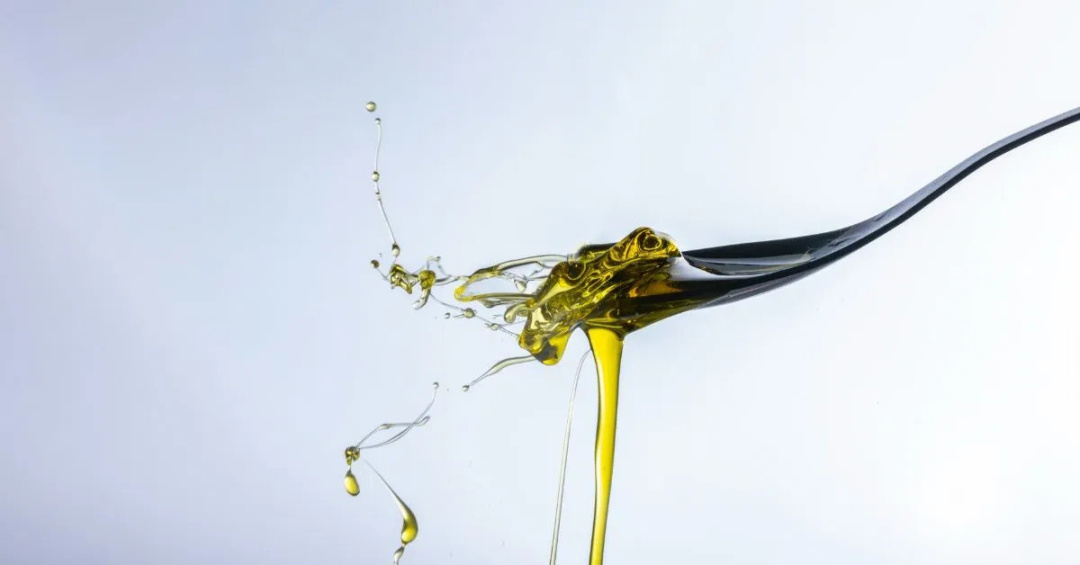
Recent discussions around the trend of taking olive oil shots in the morning have sparked interest in their potential health benefits, particularly concerning blood sugar management. A study published in the journal Diabetes indicates that consuming olive oil prior to carbohydrate intake can mitigate early spikes in blood sugar levels, at least in mice. This research suggests that the timing of fat consumption relative to carbohydrates may play a significant role in how the body processes glucose.
In the study, researchers conducted an Oral Glucose Tolerance Test (OGTT) on mice, administering olive oil 15 minutes before the glucose load. They compared the results with two other groups: one that received water before the glucose and another that had olive oil after the glucose load. The findings showed that the mice preloaded with olive oil experienced a smaller increase in blood sugar levels and a delay in gastric emptying. This effect was consistent even in mice with type 2 diabetes and significant insulin deficiency.
The study highlighted that the olive oil preload resulted in earlier and more pronounced releases of gut and endocrine hormones, such as glucagon and GLP-1, which are known to influence digestion and blood sugar regulation. According to Daisuke Yabe, MD, the senior author of the study, the order in which nutrients reach the gut can activate a coordinated hormone-nerve response that alters how quickly glucose is delivered to the intestine.
Experts consulted on the study emphasized that while these findings are intriguing, they are based on animal models. Jennifer Pallian, RD, noted that similar effects have been observed in small human studies, where consuming olive oil before a carbohydrate-rich meal slowed gastric emptying and delayed blood glucose rise. However, she cautioned that results from mice cannot be directly translated to humans due to differences in metabolism and digestion.
The study's limitations include its reliance on a controlled glucose load rather than typical meals, which may not accurately reflect real-world eating patterns. Additionally, the amount of olive oil used in the study was significantly higher than what most people would consume, raising questions about the applicability of the results to everyday diets.
How Experts Changes the Balance
Experts also pointed out that while slowing gastric emptying could help manage blood sugar levels, it does not necessarily improve overall glucose absorption. Moreover, the caloric density of olive oil means that incorporating it into the diet without adjusting for other calorie sources could lead to unintended weight gain.
While olive oil is recognized for its health benefits, particularly for cardiovascular health due to its rich content of monounsaturated fatty acids and antioxidants, experts agree that it does not need to be consumed in isolation to be beneficial. Instead, including it as part of a balanced diet may offer more sustainable health advantages.
Navigating the Risks and Benefits of Olive Oil Consumption
There is also a growing concern regarding the trend of taking olive oil shots mixed with acidic ingredients like lemon juice, which could pose risks such as dental erosion and gastrointestinal discomfort. Experts advise caution and suggest that individuals listen to their bodies when trying new dietary practices.
In summary, while the study provides valuable insights into the potential benefits of consuming olive oil before carbohydrates, further research is necessary to fully understand its implications for human health. The findings underscore the importance of considering the order of food intake and its effects on blood sugar management, but they also highlight the need for more comprehensive studies to validate these effects in humans.