Research Links Serotonin Levels to Progression of Heart Valve Disease
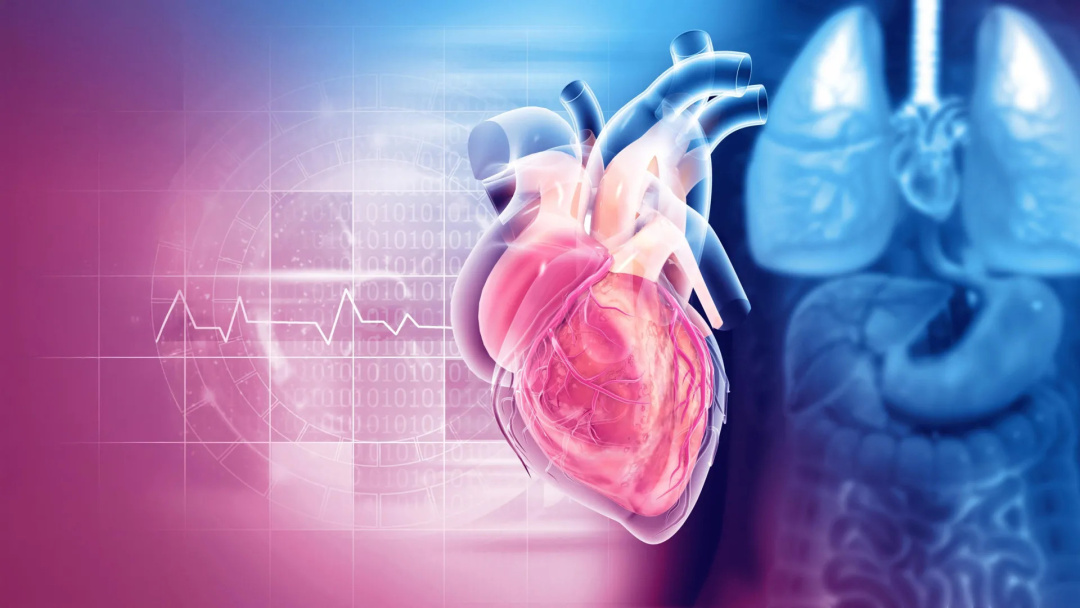
Research published in 2023 has uncovered a surprising connection between serotonin, a neurotransmitter commonly associated with mood regulation, and degenerative mitral regurgitation (DMR), a prevalent form of heart valve disease. The study, led by Columbia University's Department of Surgery in collaboration with the Pediatric Heart Valve Center at Children's Hospital of Philadelphia, the University of Pennsylvania, and the Valley Hospital Heart Institute, indicates that diminished activity of the serotonin transporter may hasten damaging changes in mitral valves already affected by DMR. The findings, which were supported by the National Heart, Lung, and Blood Institute, were detailed in the journal Science Translational Medicine.
The mitral valve plays a crucial role in heart function, situated between the left atrium and left ventricle, ensuring proper blood flow direction during each heartbeat. In cases of DMR, the valve's structure deteriorates, leading to complications such as regurgitation, where blood leaks back into the atrium, potentially causing increased pressure in the lungs and reduced oxygen delivery throughout the body. While some patients may not exhibit symptoms initially, the condition can worsen, resulting in fatigue and shortness of breath, and ultimately placing additional strain on the heart.
Current treatments can alleviate symptoms but do not reverse the underlying degeneration of the mitral valve. Giovanni Ferrari, PhD, a scientific director at Columbia, noted that while medications can help manage complications, severe degeneration may necessitate surgical intervention.
The study's authors investigated the potential impact of selective serotonin reuptake inhibitors (SSRIs), commonly prescribed antidepressants that enhance serotonin availability by inhibiting its reuptake. They analyzed clinical data from over 9,000 patients who underwent mitral valve repair or replacement for DMR and found that those taking SSRIs required surgical treatment at a younger age compared to non-users. However, this association does not imply causation, as observational studies cannot definitively establish a direct link between SSRI use and accelerated disease progression.
To further explore the biological mechanisms, researchers conducted experiments on mice and human valve cells, discovering that reduced serotonin transporter activity could lead to structural changes in the mitral valve. Genetic analysis revealed variations in the serotonin transporter gene that correlated with increased susceptibility to DMR, suggesting that individuals with certain genetic profiles may be more vulnerable to the effects of serotonin on valve health.
The researchers proposed that genetic testing for serotonin transporter activity could help identify patients at risk of rapid valve degeneration, potentially allowing for earlier surgical intervention. However, they emphasized that SSRIs are generally safe for most patients and that the findings should not prompt changes in antidepressant treatment without medical guidance.
While the study provides compelling insights into the relationship between serotonin and heart valve disease, it also highlights the need for further research to establish clear causal links and to explore the implications of these findings for patient care. Regular cardiology evaluations remain essential for managing DMR, as the evidence suggests that certain patients may experience faster deterioration of their mitral valves due to a combination of serotonin exposure, reduced transporter activity, and genetic predisposition.