Research Review Examines Protein's Influence on Appetite and Muscle Health

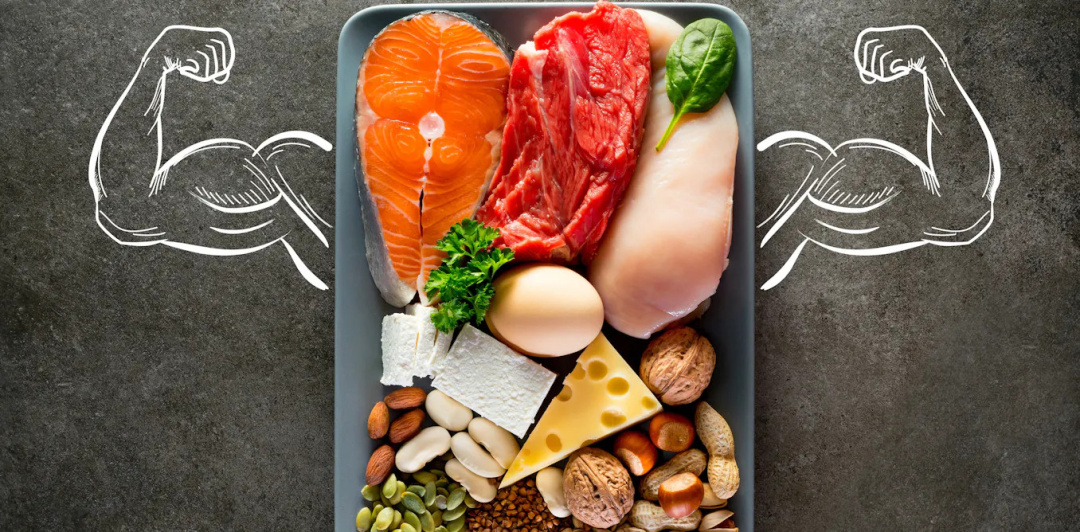
Recent research underscores the critical role of protein in appetite regulation and muscle health. Protein, a macronutrient found in various foods such as meat, dairy, beans, and nuts, has been linked to mechanisms that influence hunger and satiety. Hormones like ghrelin and leptin are key players in signaling hunger and fullness, and studies suggest that protein intake may modulate these signals. A scientific paper by Margriet Veldhorst and colleagues indicates that diets higher in protein can enhance feelings of fullness and increase thermogenesis, meaning the body expends more energy digesting protein compared to fats or carbohydrates. This thermic effect, which can account for 20 to 30 percent of the calories consumed, contributes to a modest increase in metabolic rate.
Maintaining adequate protein intake is particularly important for preserving muscle mass as individuals age. Research indicates that adults can lose approximately 5 percent of their muscle mass per decade after the age of 30, a condition known as sarcopenia. The need for sufficient protein is further emphasized by the fact that only 23 percent of people over 45 meet recommended exercise levels, highlighting the dual importance of nutrition and physical activity. While specific protein intake targets for older adults were not detailed in the reviewed sources, general recommendations stress the necessity of protein for supporting muscle and bone health.
High-protein diets have been associated with effective weight management and metabolic benefits. Over the past 25 years, low-carb, high-protein diets have gained popularity for their appetite-suppressing effects. The research by Veldhorst et al. supports the notion that high-protein diets may help preserve fat-free body mass and enhance energy expenditure. For individuals with healthy kidney function, standard protein recommendations are generally considered safe, while those with kidney disease may require special dietary restrictions.
In conclusion, adequate protein consumption is vital for managing hunger, supporting muscle maintenance, and contributing to overall health. Adults are encouraged to include protein as part of a balanced diet, and those with specific dietary needs should consult a registered dietitian for personalized guidance. Protein remains a key component in dietary strategies aimed at appetite control and the preservation of muscle mass as individuals age.