Research Links Combined Oral Contraceptives to Higher Emotional Eating Levels
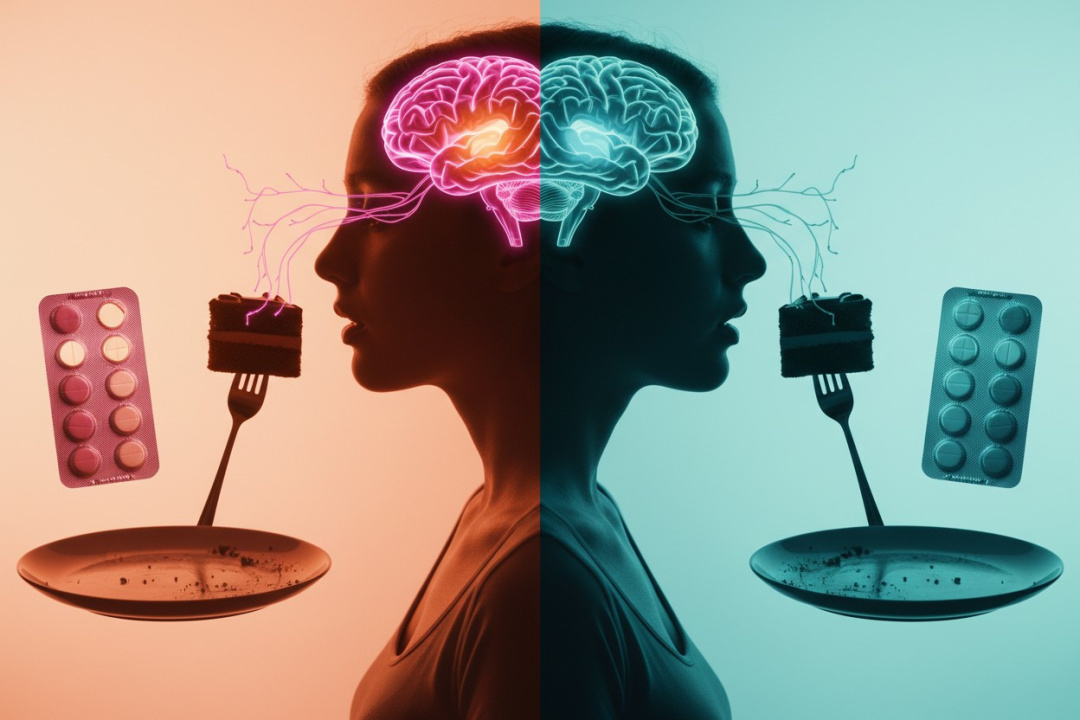
A study published on June 17, 2026, in JAMA Network Open reveals that women taking combined oral contraceptives report significantly higher levels of emotional eating during the active hormone phase compared to the inactive placebo phase. The research, conducted by scientists at Michigan State University, utilized participants from the Michigan State University Twin Registry, all of whom were using combined oral contraceptives containing both synthetic estrogen and progestin. This allowed researchers to compare eating behaviors during the days women took active hormone pills against the placebo days.
Emotional eating, defined as overeating in response to negative emotions, was notably higher during the active pill days. This pattern persisted even among women without a prior history of binge-eating symptoms, indicating that the effect is not confined to those already vulnerable to such behaviors. The study is significant as it represents the first large-scale investigation into the relationship between combined oral contraceptives and emotional eating.
Previous research established that natural ovarian hormones, particularly estrogen and progesterone, elevate binge-eating risk during their peak levels in the luteal phase of the menstrual cycle. The luteal phase occurs in the week leading up to menstruation, when progesterone levels are at their highest. The current study suggests that the synthetic hormones in combined oral contraceptives may activate similar brain circuits that natural hormones influence, circuits that are responsible for appetite, reward, and emotional regulation.
Approximately 85% of oral contraceptive users take combined pills, exposing a significant portion of the population to this hormonal environment identified as high-risk for emotional eating. Additionally, prior research published in October 2025 noted that hormonal contraceptives could alter brain structure, with women exhibiting thinner ventromedial prefrontal cortex (vmPFC) regions, which are critical for regulating fear responses. While the 2026 study did not directly examine brain structure, the authors acknowledged that these neurological changes could exacerbate the appetite effects of synthetic hormones.
Experts not involved in the study have pointed out that the side effect of increased emotional eating is often underrecognized. The natural health publication NaturalHealth365 has suggested that women monitor their eating patterns and consider dietary adjustments, such as increasing cruciferous vegetables to support liver detoxification, as a proactive measure. They also noted that magnesium might help balance neurotransmitters disrupted by synthetic hormones.
A spokesperson for the American College of Obstetricians and Gynecologists indicated that the organization would review the findings but refrained from providing further comments at this time. At a recent female health conference, the ANH International report highlighted that conventional medicine frequently overlooks the nutritional and hormonal connections to women's health, with presenters noting that hormonal fluctuations are linked to depression in women.
The study authors emphasized the need for further research to confirm these findings and explore potential interventions. They noted that women who track their eating patterns daily may be able to mitigate binge eating even during the active hormone phases, as self-monitoring appears to enhance prefrontal regulation of emotional eating impulses.
The researchers concluded that women experiencing increased emotional eating while on combined oral contraceptives should recognize this as a documented hormonal effect rather than a personal failure. Understanding the biological basis for these changes can lead to more effective management strategies and reduce self-blame.