Ten Healthy Diets Linked to Slower Biological Aging, Study Finds
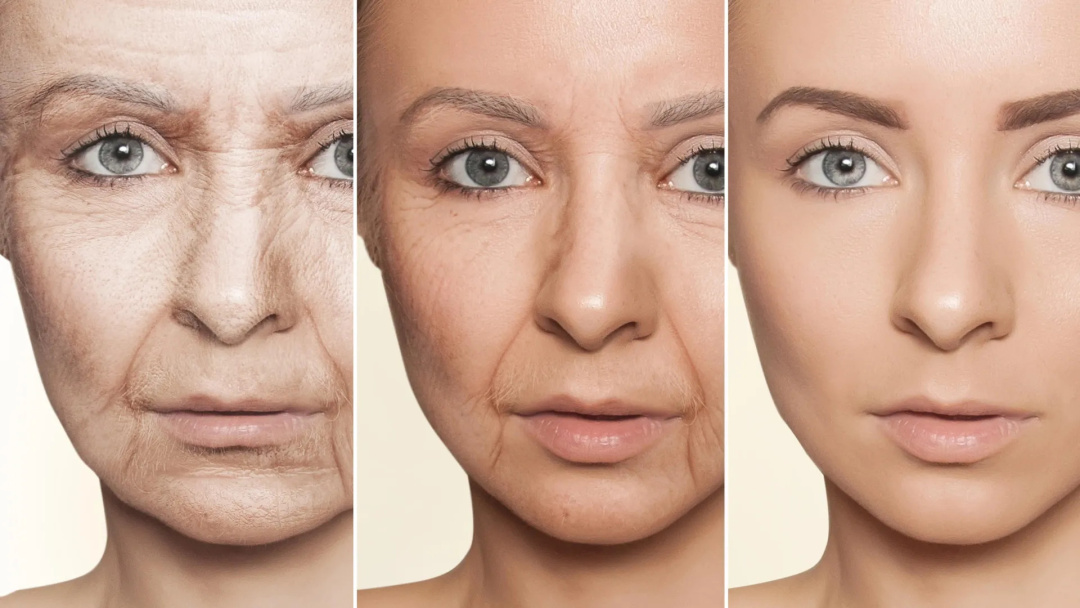
A recent study conducted by the German Center for Neurodegenerative Diseases (DZNE) involving approximately 7,500 individuals indicates that healthy eating may contribute to slower biological aging. This research highlights that there is no singular diet that stands out as the best for everyone. The study examined ten different dietary patterns, including well-known approaches such as the Mediterranean, Nordic, plant-based, and DASH diets, which was specifically designed to lower blood pressure.
The findings suggest that each of these dietary patterns is associated with slower biological aging, as evidenced by chemical changes in DNA that reflect the aging process. This research was initially based on data from DZNE's Rhineland Study and was subsequently confirmed in a separate population study. The results were published in the journal Nature Communications.
Prof. Monique Breteler, Director of Population Health Sciences at DZNE, emphasized the importance of these findings, stating, "Our study suggests that healthy eating goes hand in hand with slower biological aging. The effects are not massive, but they are measurable and relevant for prevention. By slowing the aging process, the risk of age-related diseases such as dementia or cardiovascular disorders can be reduced. Thus, healthy eating contributes to healthy aging." She noted that the data indicates there is likely no single 'correct' diet, allowing for flexibility in tailoring healthy eating to individual preferences, cultural backgrounds, and budgets.
To investigate the relationship between diet and aging, researchers analyzed dietary information and blood samples from the participants. The initial analysis included 6,470 individuals from the Rhineland Study in Bonn, Germany, and was validated with data from an additional 1,034 participants in the EPIC-Potsdam Study conducted by the German Institute of Human Nutrition Potsdam-Rehbrücke.
Instead of solely relying on chronological age, the researchers focused on molecular signs of aging present in the blood. They specifically measured DNA methylation, which involves chemical modifications to DNA that regulate gene activity and influence cellular functions. These chemical patterns change in predictable ways as individuals age, allowing scientists to estimate biological age, which offers insights into how the body is aging at a molecular level.
Juliana Tavares, a doctoral researcher at DZNE and the lead author of the study, explained, "We applied three different approaches, so-called epigenetic clocks, to read biological aging from DNA methylation. This advanced technology enabled us to cover about 850,000 sites in the DNA, which is roughly twice as many as in most previous studies."
Where Dietary Meets Researchers
The researchers assessed how closely each participant adhered to the ten dietary patterns by comparing their reported food consumption with the dietary recommendations. Each diet emphasizes different foods and nutritional goals, meaning individuals could score well on one diet while scoring poorly on another. This variability indicates that a person might be considered healthy by one dietary standard but not by another.
Despite these differences, the overall trend was consistent: better adherence to any of the ten diets correlated with slower biological aging. While some diets showed stronger associations than others, the differences were relatively modest. Tavares remarked, "While there are measurable differences between the diets, they are modest in absolute terms. It's the big picture that matters. In summary: When it comes to slowing down the aging process, there isn't just one healthy diet, but indeed a whole repertoire of possible diets with a positive effect."
Interestingly, the study revealed that the connection between healthier eating and slower biological aging was more pronounced among smokers than non-smokers, despite smokers generally having less healthy diets. The researchers have yet to determine the biological processes that might explain this phenomenon. One hypothesis is that the extensive damage caused by smoking allows for greater measurable improvements associated with healthier eating. However, this finding does not diminish the well-established health risks associated with tobacco use.
Exploring Shared Biological Pathways in Diets and Aging
The researchers also explored the biological processes linking the different diets to slower aging. Although each dietary pattern was associated with changes at distinct DNA methylation sites, many of the underlying biological pathways were surprisingly similar. More than 70% of the affected pathways were shared across all ten diets, regulating essential functions such as cellular structure, intercellular communication, and metabolism, all of which play significant roles in aging and chronic disease development.
While some pathways were unique to specific diets, reflecting their primary health objectives—for example, the DASH diet's focus on heart health and the MIND diet's emphasis on cognitive function—the overarching message is clear: a variety of healthy dietary patterns can contribute to slowing biological aging. Tavares concluded, "You don't need a perfect diet—that may be the most practical message here. But moving forward, the diet-specific pathways point to future research on targeted dietary interventions, which could be beneficial in designing personalized health recommendations.