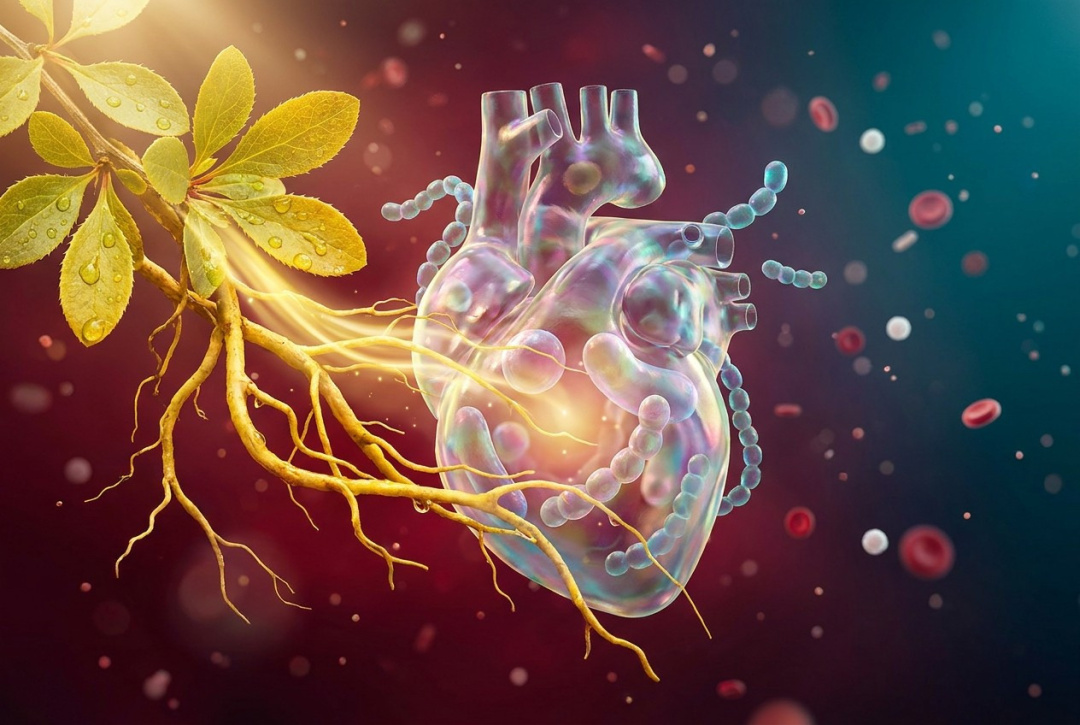
Berberine's Impact on Gut Bacteria and Heart Health Explored in Clinical Trial

Research into heart health often focuses on cholesterol levels and blood pressure, but emerging studies are examining the role of gut bacteria in cardiovascular wellness. A recent clinical trial explored this connection by investigating the effects of berberine, a compound derived from plants like barberry, on individuals with coronary artery disease.
The trial involved 23 participants who had previously undergone procedures to open narrowed arteries. Among them, 12 individuals incorporated berberine into their standard heart medications, while the remaining 11 continued with their usual treatment. Researchers monitored various health markers, including cholesterol levels, inflammation, and blood vessel function, before and after the treatment period. Additionally, stool samples were analyzed to observe changes in gut bacteria and their metabolic byproducts.
At the conclusion of the study, those taking berberine exhibited a more significant reduction in LDL cholesterol, often referred to as "bad" cholesterol, compared to those who did not take the supplement. Furthermore, several markers of inflammation showed a decrease, and there was a noted improvement in blood vessel function, although the extent of this improvement was not substantial enough to rule out random chance.
Berberine's Role in Promoting Beneficial Gut Bacteria
Interestingly, the researchers also observed an increase in specific gut bacteria known to produce short-chain fatty acids, which are beneficial compounds formed when gut microbes break down dietary fiber. These fatty acids may play a role in regulating inflammation and supporting metabolic health. Additionally, berberine altered the production of other substances generated during the breakdown of amino acids, which are essential for various bodily functions.
Understanding the Link Between Gut Microbiota and Heart Health
While the findings suggest a potential mechanism by which berberine could influence heart health through gut bacteria, it is crucial to note that the study does not definitively prove that the observed changes in gut microbiota directly caused the reductions in cholesterol levels. The correlation between these changes requires further investigation, as larger studies are necessary to establish a causal relationship.
The connection between gut health and cardiovascular health is an area of ongoing research, highlighting the complexity of how gut bacteria can impact various bodily processes, including inflammation and fat metabolism. As researchers continue to explore these links, individuals can support their gut health by incorporating fiber-rich foods into their diets, which may promote a healthy microbiome and, by extension, cardiovascular health.